There is a remarkable pair of photographs on the BBC website today. They show satellite images of eastern China, Hong Kong and Japan. The images are filtered to show the intensity of air pollution. The January 2020 image shows ‘business as usual’ and the principal cities and urban conurbations are highly coloured from yellow to high risk, red. The February 2020 image shows no coloured areas at all! The air is clean because production in the factories has stopped. Ironic that such a gift to the populations, of sunshine and clean air occurs when millions are in quarantine.
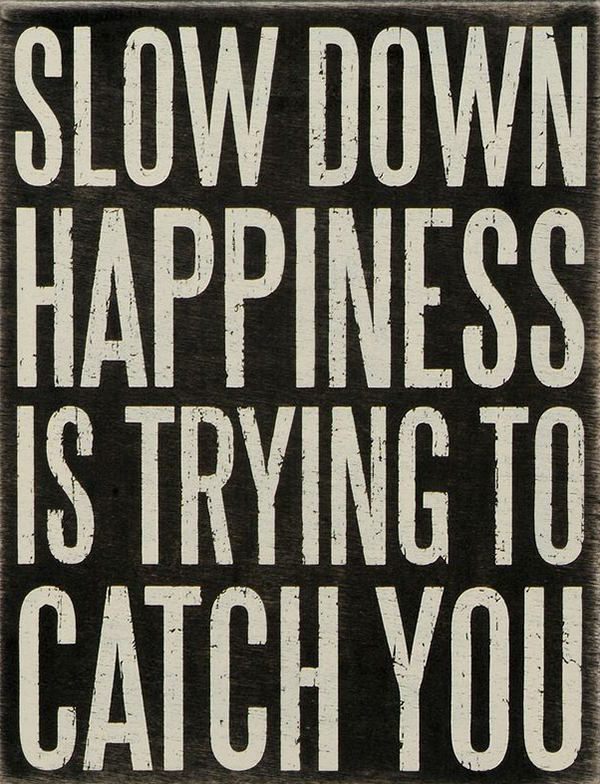
The message we can draw is not how contagious viruses are – we know that. No, the message so plain to see is ‘slow down and stop!’
The industrial tenets of, ‘more and faster’ for profit and a promise of prosperity for all, are also familiar to us. Humans deserve a good life so the growth of benefits from industrialisation, cannot be denied. Over one hundred and fifty years ago people started to leave the land and live in cities. This process means that now about half the populations of most countries live in cities.
In response industrial production is speeding up, as robots and AI are literally taking over from humans. The only question is; at what point is ‘a good life’ reached?
A casual observer in a modern metropolis, might perceive a collective sadness in the faces of passers by – anxious to reach their individual destinations. If asked if their life is a ‘good life’ – I wonder how they would reply?
picture credit: WithPause.com

When I was a student in London in the mid-70’s, I took part in a ‘slow walk’. A collection of willing volunteers met at the north end of Hammersmith Bridge and lined up across the wide pavement. We set of in a bunch like marathon runners, only it took us three or four hours to reach the south side of the bridge – a distance of maybe three hundred metres.
Slow walking took discipline at first, but soon became strangely normal. My mind felt completely relaxed. I might as well have been in meditation – in fact, I was.
picture credit: Londr.com

That was part of my ‘good life’ when I had time to be fast or slow and chose the latter. There are in the present day, many experiences of ‘slow living’ available as an alternative to the human ‘race’. There is slow food, slow travel, slow cities, slow schools, slow books, slow living and slow money. See www.slowmovement.com and tell your friends!
In 2020 humanity is crossing the threshold where too much – too fast – too wrong – is damaging the planet and as a consequence, ourselves. Whether it is air pollution, sea level rising, food shortages, water shortages – industrialisation is ‘biting back’ the hands that turn the handle.

This latest virus Covid 19, is amongst other things, a firm message for humans to ‘slow down and stop!’ Perhaps those confined to a room for two weeks, will draw a positive from the experience. ‘Not doing’ can alter expectations significantly. If ones normal expectations are unrealistic then the distress that comes from failure to satisfy those expectations, will never be encountered. Success or shall we say, contentment, comes from watching a spider cross a floor or a raindrop slide down the window; experiences usually never observed and enjoyed.
We will inevitably all discover that less and slower is more!
Somewhere between the extremes of fast and slow, is where humans can find the ‘good life’ they seek. How close to ‘slow’ do you dare to go?
 Matters Blog