As knowledge expands through the centuries and decades, one might be forgiven for believing that, eventually, all that is possible to be known, will be known. It might be as a new dam which, after much rainfall, is full.
But like all oversimplified analogies, this one is flawed. As scientists discover more, they discover an infinity of new things. They have a job for life, for their subject reveals more, the further they explore. Hikers experience the same as they approach the apparent crest of a hill, only to discover more peaks beyond, what they call ‘false horizons’.
So, why are modern societies so confident? Well it is my contention that there is a part of the human psyche that is uncomfortable with the idea that it has only partial knowledge. I am referring to the ‘ego’ or ‘small self’. Ego’s have a tendency to take the easy route in life. They are for ever looking for the reward which requires little or no effort. Even dedicated scientists have been known to falsify their observations to promote their theories.
The present adulation of ‘celebrities’ in modern cultures is an example. An ordinary person, as we all are, may become celebrated for winning a competition or race or athletic achievement or something as banal as singing a song. The media and social glitterati turn on this flash of ‘success’ like sharks triggered by the scent of blood. The sometimes reluctant but usually eager victim, is propelled into a new world of abundance and admiration. Parties, limos, sex, money, drugs, interviews and media celebration all describe a voyage from the ordinary into an inflated fantasy world.
The truth behind this ‘yellow brick road’ is that this ‘celebrities’ are no different to any one of us. The only way out of ‘celebrity’ has sometimes sadly, been suicide.
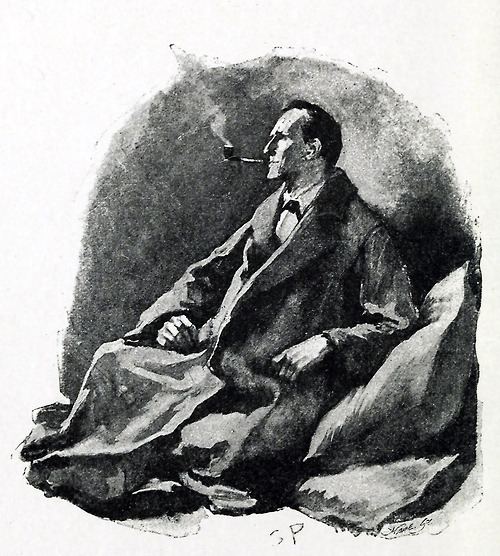
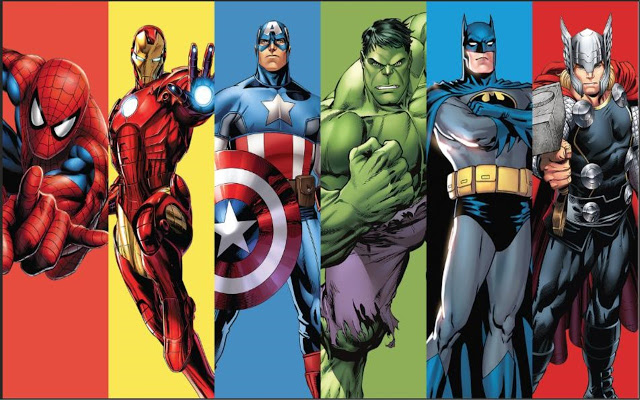
Many fictional characters encapsulate the myth of ‘knowing all’ and the power that brings. A well known example is Arthur Conan Doyle s detective, Sherlock Holmes. Mr Holmes has a super human gift of observation and deduction which puts him way ahead of those not so empowered. Holmes is what today is called a ‘super hero’ because he wins every fight, whether physical or mental. He represents an aspect of the ego that all egos aspire towards; to triumph in every endeavour. When Holmes succeeds again and again, we are programmed to believe that this ‘hero’ is indomitable, all knowing, all conquering.
But Conan Doyle was clever enough to make the character of Holmes in some way, fatally flawed. Holmes lacked emotional intelligence and perhaps compensated for this by using drugs. Even the Ancient Greek heroes such as Achilles, demonstrate after many victories that no person is perfect and die at the hands of their adversaries.
We would do well to remember this today as we observe a new cult of ‘knowing all’ emerging. The true experts in a subject, such as academics and professional practitioners are being degraded as fast as the fools are being upgraded.
Whether you are talking about Presidents or Street Cleaning Operatives, people are being persuaded that they possess the super human powers normally reserved for ‘the experts’.

This illusionary level of confidence has even infiltrated the curriculum in schools. Children are being promised elevated careers way beyond their abilities. The premise appears to be that anybody is capable of anything. If this were true then only the top jobs would be good enough for young people. Filled with false expectations, they go willingly to University and pay for the privilege. At the end of the course, as their application forms are returned from the promised ‘top jobs’, they finally are given a spoonful of reality.
It is an old adage that ‘a little knowledge is a dangerous thing’ and yet this truth is forgotten or ignored today. Persons are deciding to build their own houses and argue with their architects. They diagnose their illnesses and argue with doctors. They become international Statesmen based on bluster and the blood of others.
The origins of this illusion are those employed by the ego when things begin to go wrong; deceit, threats, grabbing, bullying and other methods of gaining power over others. Many dictators today have achieved their position through these means. They continue to use them to remain in power for an indefinite period with extraordinary self delusion that the people like them. Any challenges are fought with a ferocity of a cornered animal for indeed, such people have cornered themselves by taking a false and harmful path.
The was a study by two academics which observed what is termed the ‘Dunning Kruger Effect’. The crux of this study is that people do not understand that they do not know things. It is the nature of how humans acquire knowledge and associated skills that in the beginning they find the subject rather easy. It is not until much later that say, a surgeon, realises the hidden risks, false avenues and areas of the unknown in their specialisation.
People who are not trained initially acquire a false confidence simply because it is impossible for them to know their short comings. A couple building a house might proceed with crayons and a cornflake packet to design their ‘dream house’. They sink their entire savings into the project. As the build progresses they make mistakes that are hugely costly and are driven into deep despair. These mistakes are of course well known pitfalls to professionals and would have known how to avoid making them.
Life teaches us the hard way for the arrogance of the ego by cutting us ‘down to size’. False pride and self confidence built on self deception, succeed in the beginning but slowly the mistakes and falsehoods creep in.

In life we learn that there are no true heroes. We are all vulnerable in our weaknesses and only become strong when we realise this. Instead of being a ‘know all’ we are better advised to ‘know how little we know’ in other words, adopt humility in everything we do.
Until our prizes, awards, honours, celebration, adulation, high office in affairs of state, are given to the meek rather than the bold, society will have the ‘instant experts’ and flawed heroes of that it deserves.
Real heroes are those who work within their limitations and admit mistakes or ignorance. They may not even achieve very much but what they have done has been done honestly.
Listen carefully to your politicians and leaders and see how often they express realistic aims tempered by humility. When a leader promises all and rarely delivers or admits to mistakes, use your vote.
 Matters Blog