There exists in a certain country a “Society for Cake” and this is how it came about.
A man who was generally regarded as ‘wise’ or ‘holy’, was reputed to ‘know everything about cake’. His authority was questioned however when certain ‘specialists’ challenged him and spoke in minute detail about cake. Their methodology was to ‘drill down’ into a certain aspect of cake to which they felt drawn.
There were those who believed cake was ‘all about decoration’. They described the many characteristics of icing and how objects such as figures could add meaning to the cake or delight; such as a single cherry.
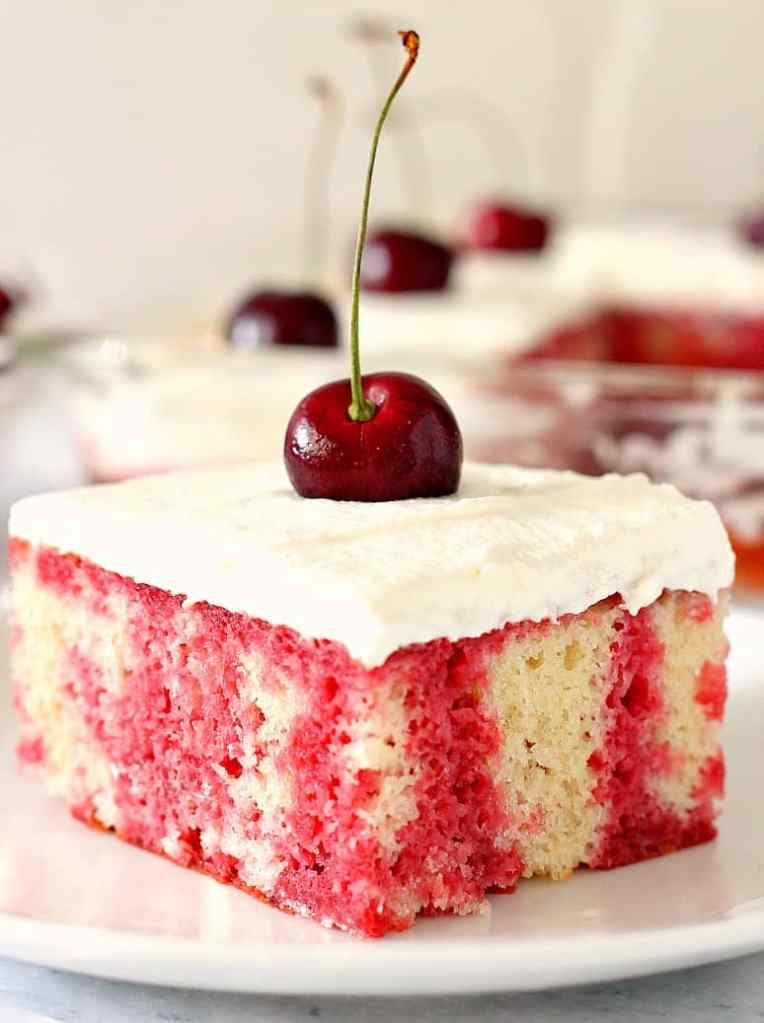
There were others who preferred to regard cake as simply the representation of an anniversary or special event. They were deeply absorbed in birthday, Christmas and wedding cakes and studied their cultural and social significance, including the rituals surrounding their making and consumption.
Others were more practical and engaged in the acquisition of cake recipes from all around the world. They went to great lengths to source very specific ingredients measuring each in exact proportion before placing the mixture in the oven until perfectly cooked.
Those who were particularly fond solely of eating cake, set about merely to consume various cakes in a variety of settings. Some were picnic enthusiasts, some were ‘high tea’ aficionados. They were particularly known for making judgments in cake competitions.
In the most extreme form of specialisation, there were those who studied the upper half of a two layer cake, some solely the lower half and a ‘fringe’ minority who were satisfied merely in researching the cream, jam or other edible binding agent that kept the two parts together. These ‘specialists’ were few in number yet grew in importance merely because they were skilled in self publicity.
An observer would have found that all of these specialists had the following characteristics in common. They all believed that their particular view took precedent over any other which they liberally denounced as ‘misguided’ or ‘missing the point’ or ‘old fashioned’ and so on. They all had ideas based on some particular honed view point on how such and such a cake could be improved. These details were not understood by others; a fact which the specialists used to their advantage to gain merit.
One day a young boy was with his grandfather who was a friend of the sage who ‘knew everything about cake’. The boy asked where this man could be found and his grandfather told him. The boy visited the sage and handed him a gift wrapped in a handkerchief. The wise man unwrapped it and was delighted by the boy’s mother’s simple round cake. He took a bite and smiled broadly with pleasure.
After they had both reduced the cake to crumbs, the boy walked away having learnt a lesson that would stay with him throughout his life.
When old enough, he started the “Society for Cake”, stipulating one rule only to qualify for membership. The rule was that personal opinions about cake, based on entrenched specialisations, were never to be considered or spoken.
 Matters Blog