You may say I’m a dreamer
But I’m not the only one
I hope someday you’ll join us
And the world will be as one John Lennon ‘Imagine’
There is an awareness of the prospect of a ‘New World Order’ in many modern western societies. It is ‘globalism’ by another name and assumes that for the eight billion or so inhabitants of planet earth, ‘one size can fit all’. We clearly see this in the communist countries such as China, where citizen’s rights are subordinate to the rights of society; ‘the lowest common denominator is best for everyone’ philosophy.
Astronauts in the International Space Station may enjoy a global view over breakfast and be filled with wonder at the planet without political boundaries and cultural differences.
But of course geo-politics is not as simple as the view from space implies. If we were to break down how societies are structured the categories might look like this;
…language, religion and ethics, race, class, cultural background, education, wealth, geographic placement, access to technology and food and so the list goes on. Societies are highly complex when viewed through the lens of a microscope.
There is an indigenous North American saying that, ‘it is easy to be brave from a distance’.
They should know, for their initiation tasks for young ‘braves’ were daunting to the point of life threatening. When poised to jump into a river from a high cliff, suddenly life looks and feels different from ten minutes ago.
This illusion of safety is becoming dominant in many Western societies in the modern times. Citizens go about their daily tasks in relative comfort because of the security that their State promises. Citizens will never be poised on the edge of a metaphorical cliff – so they believe.
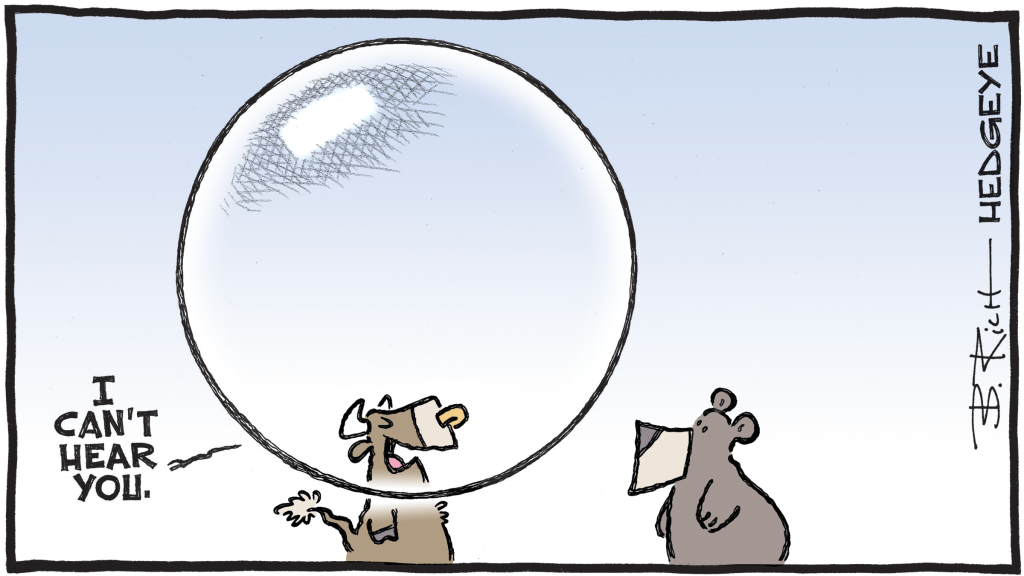
We create a ‘safe distance’ around ourselves; living in a tiny bubble of the known and familiar. It is comforting and provides, what in general systems theory is known as ‘homeostatis’, or
‘The aim of systems theories is to create homeostasis, or a favorable person–environment fit, in that the individual interacts and responds to her/his environment where interactions and change are contributing to positive growth and development and social functioning.‘ ScienceDirect.com
The whole approach to reassurance given by crew to passengers on an aircraft is based on this principal. In a short briefing it is explained that the aircraft could crash in which case here’s a whistle, otherwise, drinks are available from the trolley.
Airliines pretend flyiing is safe, but if we think critically they could do more. For instance, why are children not given child seats as is the general law for cars? Why are companion and service animals so difficult to cater for? A disabled passenger will have their expensive wheelchaire thrown into the hold and they have to stagger to their seat; if they are lucky with extra legroom – at an additional cost. How quickly passengers embark and disembark, is mostly about money for airlines.
Life in western societies is rather like this problem that airlines have when people have unique expectations and needs. The tendency then is humans are herded like lost sheep and most of the time, we oblidge.

Fortunately, what stops the world from wobbling off it’s axis is a counter force which we call ‘co-operation’. Humans emerged successfully from the ‘natural selection’ disaster movie of prehistory by co-operating with each other. Instead of becoming the lone predator like tigers, they became pack hunters, like wolves.
So here is the good news. If generalisations and lack of detail are the centrifugal forces that tend to pull society apart, then co-operative forces are the centripetal reaction, keeping us all together.
A list of these co-operative forces would be something like this;
...written laws and national constitutions that describe and give rights to citizens, shared wealth and resources such as public services, pensions and private insurance, shared territory such a public spaces and open borders, shared fauna and fauna in natural ecosystems, shared technology and scientific research, shared buildings such as blocks of apartments and entertainment facilities, shared national infrastructure, shared human resources in education, health, armed services, politicians…the list is longer.
Those enjoying the re-assurance of a Western lifestyle, are aware of other countries where the centrifugal forces are actually pulling societies apart. We know there are wars, famine, plague and natural disasters, criminal and terrorist organisations, happening somewhere else on our shared planet all the time but we chose to do nothing at worst or give to charity at best. We rationalise our choice as ‘someone else’s problem’ because we were lucky enough to have been born in a bubble.
For the few who do take on responsibility for those less ‘fortunate than themselves’ is more they can do. If they have a set of skills applicable to a particular emergency they can join a charity or non-government organisation. Usually and sadly, such as in earthquakes or flooding, help arrives too little too late. Disaster relief warehouses do not exist at every air and sea port in the world. Instead it can take days for supplies to be shipped and taken overland to those as serious risk of harm, instead of hours. Governments and or those who caused the disaster lie about the cause and solutions that are in place such as is happening in Gaza in Palestine at this present time.
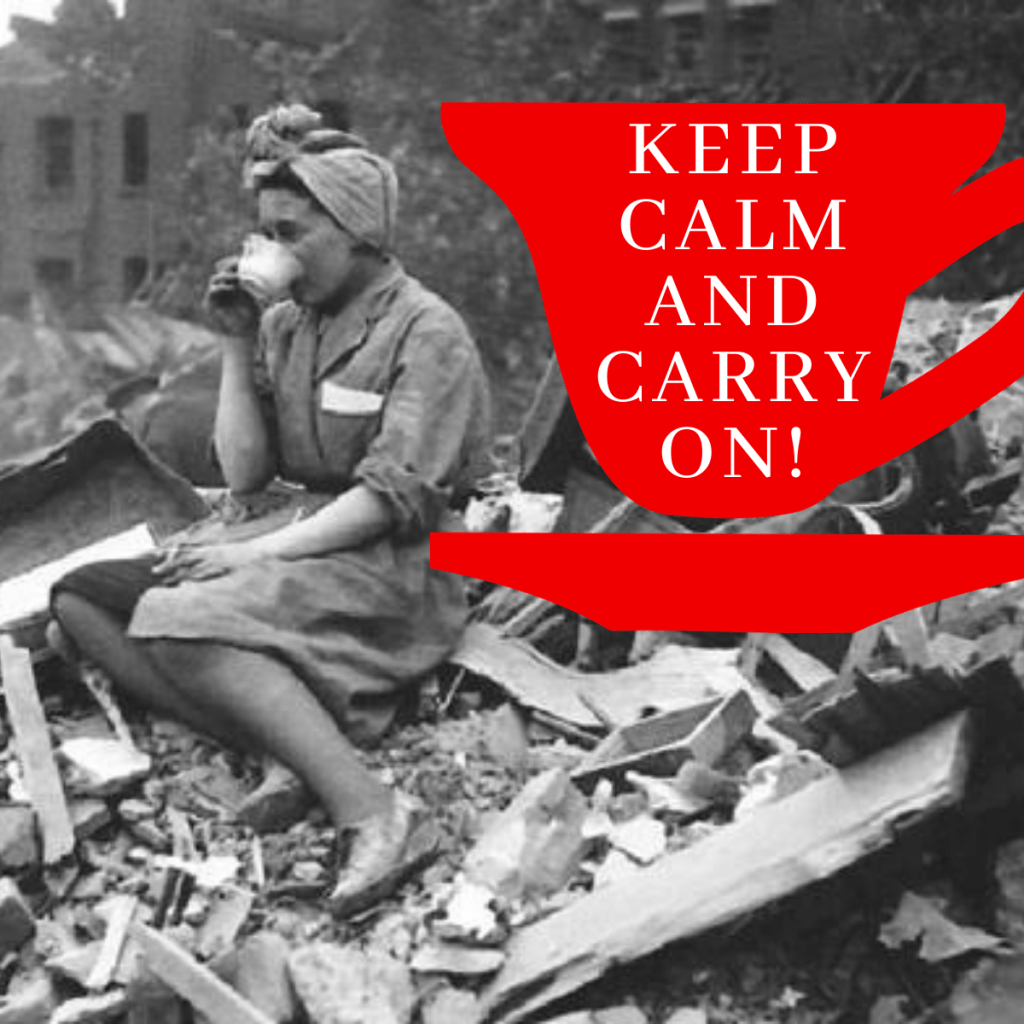
In this way disasters can be diverted from public attention; played down because ‘we’ are not the victims. Our lives continue with a good standard of living, fuel in the service stations, government workers in the social services providing education, health and the rest. The shops are open and we go to work.
Or so it appears, because of the illusion with which we are presented and which we choose to believe; we genuinely think we are brave, upright, honest, caring citizens.
That is until our borders are rushed by people without documents who risk their lives to get help, banks close, world shipping halts, a serious pandemic any other disastrous global event such as, well, global warming…
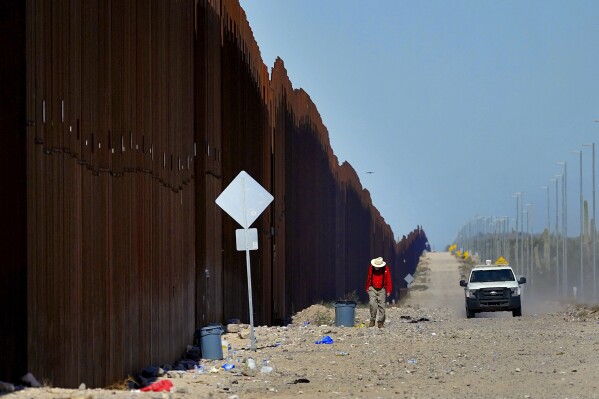
Then the problem in western countries becomes, ‘how do we keep our way of life?’, because we assume, our lives and standard of living will continue unchanged.
Feeling good at a distance. It’s a way of life.
 Matters Blog