

Obviously violence between neighbouring countries should not happen, but when diplomacy fails, it does. This essay questions the best methods to mitigate the escalating war in the Middle East.
The day for Israel to robustly defend itself was October 7th 2023, but instead many Israeli citizen’s and soldier’s lives were sadly lost and hostages were taken, a failure it admits. The attack came from a country that Israel had occupied, surrounded with high walls, was accessed only through caged tunnels and sealed with check points. The war did not start on this day as some commentators suggest. It started in 1948 and even earlier.
In response to the attack the Israeli government declared it’s aims to eliminate Hammas and recover the hostages. My first question would be, is this vengeance or defence or both? Politically, military objectives need to be achievable and achieved as rapidly as possible. One year on, this has not happened. New aims on new fronts have been opened against the Houthis, Iran? and Hezbollah in southern Lebanon. Confused?
Diplomacy solves differences peacefully, war does the opposite. Diplomacy addresses grievances, war ignores the grievances resulting in grievances remaining; witness the conclusion of the First World War and the burning embers that ignited the Second and the inconclusive end of the Second World War that put thumbs on triggers in the Cold War.
Historically, few violent, subversive political organisations such as Hammas and Hezbollah have been eliminated by force. In recent history, ISIS have re-emerged after ‘defeat’ and in the 20th century, the IRA re-emerged using a new name.
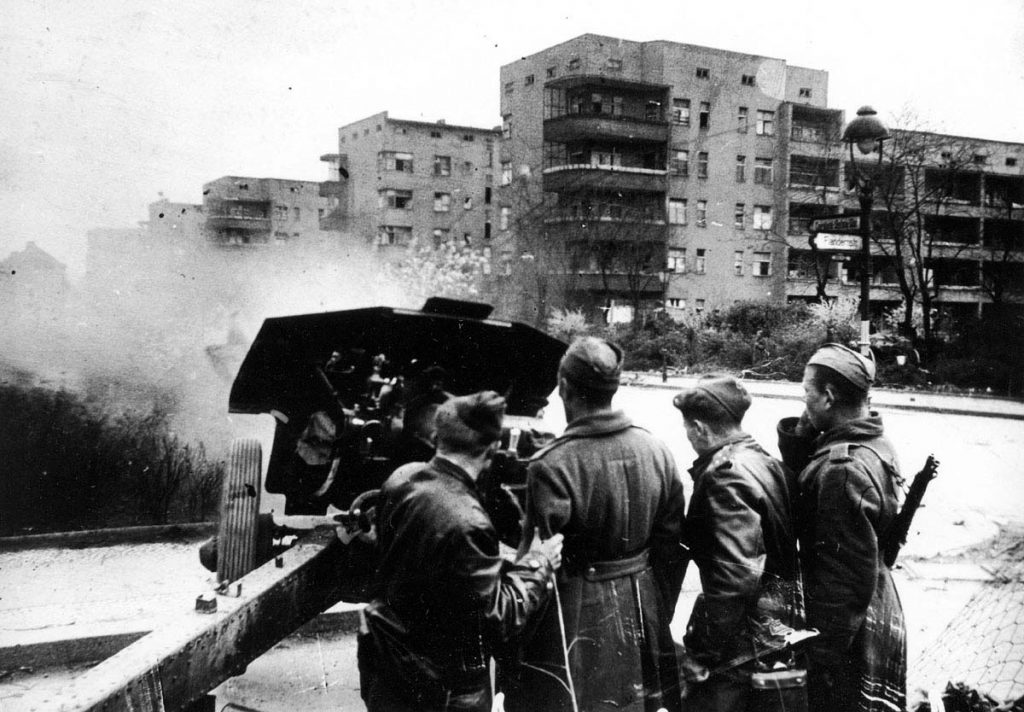
In my view, the Zionist Israeli government have used questionable methods to ‘eliminate Hammas’. Tanks and artillery are traditionally not suitable weapons to fight an enemy in an urban context; especially one with a tunnel complex and ruined buildings forming defensive postions. The end of the Second World War saw Allied infantry troops fighting their way to Berlin, street by street, house by house; difficult and high risk tactics to clear whole cities of the enemy, but effective.
Let us consider the second aim of the Israeli’s. The most politically astute days and months to save the hostages were immediately after they were taken. One year on, the task is far less likely ever to be achieved. On top of this, the protests by families of the hostages and undermine trust in their own government which will spread and breed wider disorder and protest.
Killing disproportionate numbers of civilians and destroying infrastructure such as hospitals and schools, is more likely to increase the ranks of Hammas fighters than reduce them, and time will tell if this is true.
At the same time, Israel has been slowly losing support from allies and other countries around the world, not for it’s aims but the manner in which is has attempted and failed to carry out it’s aims. Many observers around the world and in particular South Africa, have condemned the disproportionate loss of civilian life caused by the IDF.
I wish to point out confusion over the word used to describe ‘terrorists’. It is a term that carries considerable emotional weight without clearly defining what it is.
My definition is;
Terrorism by individuals or small cells, is lethal attacks on infrastructure and civilians during peace time in order to produce fear in a population for political motives. The IRA in the UK and ETA in Spain are examples of this from the C20th.
Terrorist tactics, when used on a large scale during peace time or war, becomes guerilla warfare.
A large well armed group using guerilla tactics in open warfare to attack opposing military forces are guerillas (meaning small war). The Mujahideen in Afghanistan fighting against the USSR and the Vietcong, North Vietnamese Army war with the USA are examples of this. Although they have inferior numbers and weapons guerillas can defeat a stronger opponent by attrition, local knowledge, basic instead of sophisticated logistical support and high, politically inspired, morale.
Open warfare is when a State declares itself at war against a specific enemy. Battles are fought by National forces as instructed by the government of each country. Organised land, air, sea and space forces confront similar enemy forces and seeks to overcome the enemy with maximum force in the shortest possible time.
The reader is invited to decide which definition best describes the Houthis, Hammas and Hezbollah, and the IDF. Contemporary leaders sometimes describe guerilla or even national armies as terrorists and in my view, this is more an emotional appeal for support than accurately describing the threat.
The tactics of terrorism and sometimes guerilla warfare have historically failed because brutal tactics particularly against civilians, wanes political support. Israel is currently failing in it’s objectives in my view, and is losing political support from within Israel, from it’s closest allies (including the Biden administration of USA) and the United Nations.
Israel was admitted to the United Nations on 11 May 1949 and participated in it’s aims.
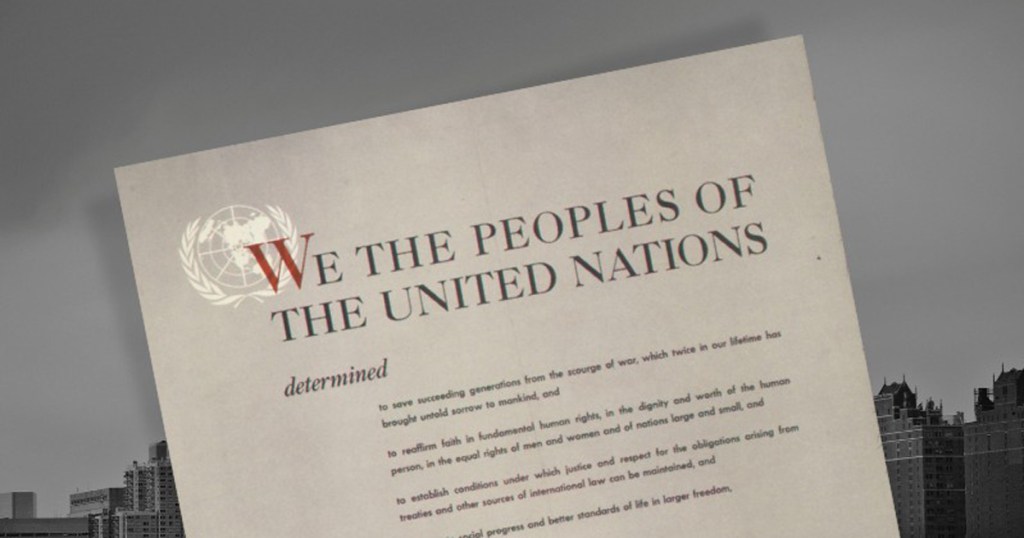
Now it has fired upon an UNFIL base in Lebanon causing injury UN operatives. The political contradiction is obvious and has outraged many nations, including allies of Israel.
Israel insists it is ‘defending itself’ which may convince many of it’s authority in religious Jurisprudence and International Law, but it is dangerous to confuse defence with offence. Anyone who has played chess or watched a team sport game, knows this.
The military advantage of defence is that cover and observation is achieved using pre-prepared defences. A small defensive force can repel a larger offensive force as proved historically by the history of castles and fortifications within Europe and the Middle East.
Israel is currently using a ‘Defence Force’ to attack it’s enemies to prevent them from attacking Israel. This shows that defence and attack are indeed questionable terms.
The British Army carry a card to remind them of the Rules of Engagement;
You can always act in defence of yourself, your team mates and civilians.
You can always return fire when fired upon.
Do not engage a target of opportunity without permission, unless you are in imminent danger.
UNFIL in southern Lebanon also have no authority to attack except when fired upon. In the Rwandan genocide between April and July 1994, nearly one million Tutsi and moderate Hutu were murdered whilst the international community and United Nations Peacekeepers stood by. But UNFIL were placed in Southern Lebanon as a buffer between Lebanon and Israel; in effect a ‘human shield’. Why Hezbollah are allowed to occupy this buffer zone is clearly questionable.
There is a case that the Old Testament ethic of ‘an eye for an eye’ describes proportionate use of violence, and is not a justification for vengeance. This interpretation is not commonly heard or debated. The word ‘vengeance’ is an elephant in Embassy meeting rooms.

The Israeli Government tactics in Gaza, the West Bank and Lebanon have so far failed in their objectives. For reasons described in this essay they are in my view, likely to continue to produce poor results, escalate violence rather than reduce it and reduce support for its cause amongst its allies, particularly the USA.
Specifically, there is loss of moral justification when civilians, peacekeepers and aid workers are killed and excuses such as ‘a mistake’, ‘inadvertent’, ‘targetting the enemy’, ‘we told them to move’, ‘the fog of war’ all risk accusation and investigation of war crimes. Weapons in the 21st century are surgically accurate and guided using real time intelligence.
Many observers have pointed out that there is no justification to using 2000lb bombs to destroy a building occupied mainly by civilians; whether bad people share the building or not. However the Israeli government ‘excuse’ themselves, there is, I believe, a better alternative not discussed publicly, perhaps for security reasons.
The IDF have specially trained soldiers in counter terrorism called the Mista’ravim. They are specialists in working undercover to capture or assassinate high profile enemy targets. Many Hammas leaders, if captured alive, could have been used to negotiate the return of Israeli hostages. This opportunity has been lost as well as the chance to show the professionalism of it’s special forces and sincere desire to protect civilians.

Special Forces all over the world, acting on intelligence from local proxy sources and real time surveillance, are trained to enter buildings with the element of surprise to rescue hostages.
There is an argument that the IDF does not have sufficient special forces to search for the hostages. If this is the case, then an appeal can be made to it’s allies to support these rescues using allied specialist units. One hundred teams working together, could have swept Gaza and it’s tunnel systems before now and would have prevented the need to destroy infrastructure such as hospitals, on the scale that has occurred. A cynical observer might query the motive for not using this tactic.
The reader is invited to view the videos on social media that many parties have posted, and form an opinion as to what ethical rules parties to this war operate under and who is enforcing them.
If the world is watching an escalating war without rules, then we are all in danger; as the First and Second World Wars proved, should we care to remember.
 Matters Blog