Dualistic thinkers (thinking using opposite terms such as black and white) have a problem with the idea of good and evil. Most spend their lives seeking goodness and avoiding evil. It’s a well intended strategy and one promoted extensively by Christians. Jesus the Christ spent forty days and nights resisting temptation by the ‘prince of the world’…the Devil.
The problem is, life is not so simple as good and bad…would that it were! Would that Western thinkers looked over the shoulders of Eastern philosophers who believe that there is no such thing as pure goodness, nor pure evil. (The corollary is that there is no Heaven and no Hell which is also true but perhaps the subject for another essay.)
In the Yin Yang symbol, which is central to Eastern philosophy, good contains a little touch of evil and evil a nudge of good. Sometimes goodness may just be a thin shell containing a large quantity of evil and visa versa. An example might be the Atomic bomb dropped on Hiroshima in the second World War. The world would be a better place if that technology had never existed. What you see, is not always what you get.
The past can provide valuable lessons but here I shall use some examples of ‘dualistic thought’ from current Western political debate; there is a tempting assortment to choose from!
The first woe is, ‘Generalisation’. Politicians are by definition, strategists; taking a broad view and delegating attention to detail to minions. They are therefore prone to declare noble ‘aims’ to please voters, such as to ‘reduce inflation, help the vulnerable, create jobs, improve public services’ etc. etc.
What is not presented for examination is how this aim is going to be achieved.
As an example of using the wrong ‘means’, the previous government in the United Kingdom made an election commitment to ‘stop the boats’. This referred to undocumented migrants crossing the English Channel in dangerously unsuitable boats. This aim was presented as ‘good’ because there had been boats sinking and people tragically drowning. The government’s intention was ‘good’; to save life. If the means to stop the boats was challenged, the questioner was accused of wanting people to drown; they were supporting evil over good. The argument was totally dualistic and as a result over simplistic.
Pretending to be a benign policy without hiding the real reason
The absurdity is that any problem solving plan can be justified as ‘moral’ and ‘benign’ whether it was likely to work or not. It just needs a ‘good’ intention or aim and expects never to be challenged on any other grounds.
The detailed plan to ‘stop the boats’ intended to send failed UK asylum seekers to Rwanda. The plan included breaking international law and expense that did not match the benefit. Worse still it was based on an untested assumption that those willing to risk death by drowning would be put off by a comfortable flight across Africa to free food, health care and accommodation in sunny Rwanda. Asylum seekers from Rwanda would probably not be so pleased as it’s not a safe country by most definitions (but that was a level of complexity too deep to examine). The final cost of this plan was the same as putting up each asylum seeker in the Ritz Hotel in London; an option the Ritz would probably have declined.
My point is that however absurd the detailed plan, the government would repeat it’s justification by asking, ‘do you want people to continue to drown in the English Channel?’ as if that were the only option to achieve their well intentioned aim. Of course it was not the only option but presented as such. In the end the plan was abandoned and hundred of millions of pounds metaphorically thrown into the English Channel at a time when the lack of money in the countrie’s coffers was also a problem.
The new Labour government are now desperately trying to balance the books by not giving pensioners an allowance to heat their homes over the coming winter which they agree is regrettable and may cause death ( i.e. an evil ) but is justified by a need to balance the country’s books (i.e. a goodness )
When politicians are not generalising they present details to prove or disprove a generalisation. A prime example appeared in the news this week during the televised debate between candidates for the forthcoming presidential elections in the U.S. of A.
In this debate between Donald Trump and Kamala Harris, Trump purported that migrants were eating the pets of American citizens in Springfield, Ohio. The response of Harris was the only rational one, which was to giggle. Apparently, this story was currently feeding the confirmation bias of social media zealots, which included a person who considers himself fit to rule the world. Fact checkers and local officials confirmed that the story was not true. But this does not stop those repeating it, who wish it was true.
The problem for those caught up in such an argument is that there may have been just one instance of starving migrants cooking up a street animals on a cold and windy night to feed their children. In the world of political debate not using numbers or arguing over whether numbers are true or not, allows generalisations to pass critical examination because even if there is only one instance, the general statement becomes true, even if totally misleading. It’s a gift to politicians.
picture credit: Peakpx
At the beginning of this essay I referred to eastern philosophy as tending to take a holistic view of events, rather than focus on a particular set of facts. In Surah Al-Khaf in the Holy Quran, Moses meets a figure not named but described as a righteous servant of God possessing great wisdom. Moses watches him damage a humble fisherman’s boat and protests despite being sworn not to question any thing he witnesses. In time, an army passes in need of such boats and ignores the damaged one. The fisherman is able to repair the damage and keeps his boat and his livelihood. There follows other stories where actions are ‘evil’ at first sight, but as circumstances develope, are shown to have been benign.
In conclusion, our world at the present time is full of major choices about which we hear politicians of all persuasions expounding strong views. As humble citizens we have little say in these matters and have to trust those promoting ‘good’ and denouncing the ‘bad’.
Decisions are for reasons suggested above, and in my view, never such a clear cut choice. We assume we make choices based on hard facts, reasonableness and clear routes to known consequences. I contest this assumption and suggest we take a more pragmatic view, summed up in the simple word ‘maybe’.
Theatre is a valuable metaphor to help us understand how our perceptions operate. Stories have the unique ablility to press the play, fast forward, rewind and stop buttons, in our heads, for the dimension of time holds no power over imagination. Weirdly our physical ‘reality’ has a similar quality, as the Shakespeare quotation above infers. Our experience of the world is as a stage set, with backdrops, painted scenes, actors and special effects…whizz! bang! hoopla!
Can we deny that there is an illusory quality to our experience of the world, a fakeness that was recognised even four hundred or so, years ago? Elizabethan England was vivified by magic, notably by those who were masters of illusion through magic, poetry and prose, such as John Dee, Francis Bacon and of course, William Shakespeare.
Magic is ‘other worldly’ and sorcerers manipulate what others believe. Our minds have a frailty which is both our power and a weakness. Mind slips in and out of our control. It is called waking and dreaming and the two are interchangeable, morphing at the mere echo sound of cricket’s cough.
Modern psychologists will describe a person who fades out of our contemporary collective theatre of the imagination as psychotic, but are we not all, at times, cretins in the same bowl of soup? Is this not a modern world of illusion, experiencing super-charged storytellers, on-line, in cinemas, in the media, television; spinning a world wide web of illusion.
When we dream at night we experience alternative realities most vividly. Impressions form in our minds that we recognise but in the way we perceive a surreal painting or story. As an ‘Alice in Wonderland’, the whole geometry and order of life is tipped on it’s head, stirred, shaken and rolled out as a disturbing dream.
Such states can control us in our waking and sleeping, but it is possible to step out of the magnetic loop in which we are contained. ‘Lucid dreaming’ is the experience of waking up whilst still dreaming. Physical objects exist such as a light switch, but when flicked the light does not come on. Many drug induced experiences are states of mind that are both illusory and real. The latter are more likely found in indigenous cultures such as the legendary Don Juan in the books of his pupil Carlos Casteneda. Such experiences involve energetic beings and powers way beyond anything we might call ‘physical reality’.
Shaman in traditional communities inherit ‘second sight’ and the means to constructively use drugs, such as ayahuasca and peyote, from their forefathers. There are recognisable separate realities occupied by conscious but disembodied entities, which offer insights not available on You Tube. The encounters by adepts and students are predictable and repeatable, so rationally, are not vague dream impressions.
Much of the work of C.G. Jung explored this area of experience and established the concept of archetypes; powerful entities that resonate as mathematical constants that do not change with time or place.
On the other hand, there is our waking experience in which repeatable rules apply. We are able to manipulate the world and agree with others about our perceptions, even if we may sometimes disagree. In this ‘reality’ we can also repeat experience in the same way that a scientist can repeat an experiment and get the same result. But again, this ‘reality’ is nuanced by an undercurrent of dreaming. We experience ‘day dreams’ where our train of thought occupies our attention in place of our immediate sensual experiences. Children are particularly susceptible to daytime dreaming and much of their play is in their imagination, a world in which they usually reject adult interference!
From these examples we may appreciate that dreaming is not binary; our minds do not switch it on or off. Waking and sleeping are both areas where dreams operate.
In ‘waking’ our egos develope ‘areas of interest’ which are the well trodden paths of our fascinations. Such compulsions are triggers of past memories of excitement and pleasure that control us mostly unconsciously. For instance, when we go to a sports stadium to watch the team we have supported all our lives, we are in our own ‘heaven’. Our senses align with pleasant memories that we wish to re-experience, even as we park our car. If our team loses we experience displeasure, even though our lives have not really been affected; it’s just a dream turned into a nightmare. The faces of the losers tell it all!
So human experience bounces between pleasure seeking and displeasure avoidance. Gamblers enter a deep rut from which it is nearly impossible to escape. The ‘comfortable’ in society are risk averse seek a circular life, as in the classic comedy on UK Television sitcom, ‘Ever Decreasing Circles’.
Those who challenge ‘responsible’ comfort zones are the artists and drug users. Artists ‘create a stir’ by fashioning a form that breaks the rules. Drug users do the same but within very personal boundaries and without guidance as a consequence, which can cause harm and mental illness.
The mind is complex and we should expect to encounter one special trick that it plays on us, whether dreaming or awake. This is ‘projection’ and acts unconsciously. Within our unconscious mind is that which we have little or no control. During our waking state we might project a ‘complex’ from within that part of our mind. This is best expressed by the adage, the ‘pot calling the kettle black’. We criticise a shadow aspect of our character most strongly when we see it in others. It’s an opportunity to self realise and can become less ‘compulsive’ through self reflection and if appropriate, self control.
The autonomic nature of dreams is remarkably similar, projecting as in a film, elements of our own character in the play’s cast.
Whilst a comfortable physical reality is beguiling, it can be experienced too literally and believed too much. We are born into material bodies to overcome the limitation of being purely ‘Mind’ and one might expect such a transition merits a determination not to waste life by just staring out of the window.
After the use of our physical bodies, I believe we will once again return to ‘pure Mind’ or ‘God’. Without a physical body our mind is no longer able to observe the physical world or be informed by the physical senses.
Whilst in a body we are like a person who has learnt to swim in water; which we might experience as an ocean. Without a body we become that swimmer using all their skills learnt by swimming in that physical ocean. Within this ocean are small islands, which remind the swimmer of the physical world but are mere dream impressions and memories; just as in they physical world there are small islands which are not real.
picture credit: Aquabumps
This Ocean is what the Aboriginal Australians call, ‘The Dreaming’
Puck’s line to King Oberon Act 3 Midsummer Nights Dream William Shakespeare
This was going to be an essay titled ‘The Party is Over’ but then the Olympic Games Opening Ceremony 2024 stopped me. It was too extraordinary to ignore and in fact, contained the same messages.I wish the Olympics, the athletes and the people of France and the World come together in love at the conclusion of the Olympic 2024 as was surely the original intention of the games. I express no religious or political views other than universal love. If you do not have ten minutes please slide down to the final conclusion.
The gods on Mount Olympus would have watched the Olympic Games Opening Ceremony 2024 in Paris, with a conflation of amusement and horror.
Personally, I found it pedestrian, disjointed and more than at little weird, and I was not the only one. For a country renowned for its consummate sense of good taste, design, style, and pazzazz; what in Hell happened?
I shall express views here which some will find far fetched, even disturbing. However, this sideways analysis might explain why standards fell so low.
Those who have read Dan Brown’s book or seen the film The de Vinci Code, will appreciate the power of symbols. The main character played by Tom Hanks, is an academic ‘symbolist’. He unravels symbols as a trail of clues that lead to the truth and this is what I believe was happening at this Olympic Ceremony.
So are there ‘clues’ in the ceremony and if so, what truth is being disclosed?
The Olympian gods used to look down on humanity and create situations. If you were a modern organisation, similarly determined to influence the thoughts and feelings of 29 million remote viewers around the world, this ceremony is the perfect vehicle. Being performed in the ‘city of lights’ was surely an invitation the Illuminati could not refuse?
The Illuminati picture credit: National Geographic
I recommend personal research to discover the motives and means of the Illuminati and other cabals, but their aims might be summarised as; ‘to achieve a Global Order through the removal of personal and national freedoms’.
So when you hear on the news that the fibre optic cables serving the high speed trains to the city of Paris have been sabotaged, you wonder why? Curiously, a week or so after the attack, the media are still describing this planned event as ‘vandalism’. No organisation has yet claimed responsibility. You might wonder what reporters are avoiding saying and who has told them not to say it. Was a planned and co-ordinated attack to created fear? Fear of death is the currency of cabals as we witnessed in the recent global pandemic where, again no originator has come forward or been found.
‘Let them hate us as long as they fear us.’ Caligula
Fibre optic cables carry vast quantities of information over long distances. They send light through gross matter. Cutting off this supply in the four cardinal directions was like cutting off light to the City of Lights; the city of the Sun King, Louis 14th. So similarly ‘cut off from the world’ was Louis, when he moved the Royal Court away from the Parisian minions to Versailles, where he could enjoy a privileged hedonistic lifestyle.
The leaders of the secret societies were closely involved with and led the French Revolution. They would have introduced the ‘Phrygian Cap’ as headgear for the revolutionaries; a symbol of Mithras represented by the bull.
Close observers of the Olympic Opening Ceremony would have noticed the golden head of a bull next to the five Olympic rings at the flag raising ceremony. Should we conclude that Mithras and Revolution is alive and well in modern France?
picture credit : Israel 365
The Roman Empire nearly adopted the Mithraic religion as it was popular with it’s soldiers and Mithraic temples can be found under many churches. In myth the bull’s spine sprouts corn and the blood is the wine of animal life. Christianity was chosen as the preferred Roman religion but the similarity of this Mithraic myth to the Eucharist should not be overlooked.
Light is a common symbol of spirituality and Jesus was not the only one who proclaimed to be the ‘light of the world’.
‘How thou art fallen from Heaven, son of the morning’ Isaiah 14:12
There is an old Testament character named Lucifer who the Church Fathers decided to eclipse by conflating Satan and Lucifer and Ahriman as the same beings
But Lucifer, the ‘Light Bearer’, is important today as he represents an ‘imbalance’ of spirituality, a powerful overload of light. We should not consider spirituality as being only goodness, as it can be too weak or too powerful and when either occurs it produces bad things.
Lucifer was responsible for the loss of the ‘third eye’ represented as the ‘brow or Adjna Chakra’ in Yoga and a Cobra in Ancient Egypt. Without this sensibility humans descend into illusion and delusion. The figure of Marie Antoinette in red in the Ceremony, represents how humans have collectively ‘lost their heads’ or rational thought and are fixed in the bright red base chakra of animal and tribal desires.
Balanced spiritual energy is a good thing, but when it becomes imbalanced it is not. Gautama Buddha discovered this after living an indulgent life in royal splendour, then aestheticism. He found little of spiritual value in either. He became enlightened when he followed what he called ‘the middle way’, which is the philosophy of Mahayana Buddhism today.
In the ceremony, Venus was represented by Beyonce as a feminine spirit of light and beauty with an enchanting voice; as with the Sirens in the voyage of Odysseus. But it was a narcissistic delight in self reflection that audiences were presented with and not the Venusian sacred mirror of ‘self reflection’.
The decent from balanced spirituality into base narcissism is present around the world in social politics today, not least in France where the left and right wing extremists, with no thought of a ‘middle way’ compromise, have recently taken over the government of the country.
The political values of the French Revolution, “Liberty, Equality, Fraternity or Death” were chapter headings in the ceremony as it appeared on television.
The above background information, is intended be some explanation of the following analysis of the Olympic Games Opening Ceremony 2024. Many have reacted to the ‘weirdness’ in the ceremony as something they could not relate to. The French people had given away their tax payers money and freedom of choice to those who created the ceremony; in other words they had given away their power.
You might ask who decided not to have an audience in the Olympic Stadium for this ceremony, as is traditionally the case. The loss in revenue from ticket sales was clearly a loss out weighed by whatever gain you must imagine. Instead of a climaxing parade of athletes before a cheering international audience, bookended by icons of national pride as in the Beijing and London Olympic Games opening ceremonies, there was nothing.
The world was given a ceremony mainly for the global television audience. The consequence was to separate people into individuals or small groups, such as those Parisians poised on balconies over looking the river. Bystanders had a partial view of the ‘ceremony’ unless they watched it on their phones. The revenue and energy created by sporting event stadiums was sacrificed on an unknown altar.
Performers were perched on buildings as individuals, groups of dancers, musicians, circus artists, singers and actors. Without the power of a telescopic lens and amplifiers, these figures were diminutive both visually and inaudible; a subtle expression of ‘disempowerment’ of the people; ‘divided we fall’.
Human performers made small by large buildings – foolish or just poor design?
Those who were clearly happy or at least good at pretending were the various circus and street performers along the route. They at least added enchantment to proceedings; especially the hired ‘global celebrities’. However these Venusian / Sirenesque qualities, come at a price to the observer as already described.
Only by being tied to the mast of his ship could Odysseus avoid a spiritual death on an island of enchantment and delusion. Is that our world today?
The ‘Minions’ or non-privilege populace, were depicted by cartoon characters who proceeded to sink their own submarine, much in the way humanity is today destroying it’s own space craft; planet earth; cheerless and disempowering messages for us all.
Humanity can not complain that it is has not been warned. The Book of Revelation in the New Testament gives warning of the apocalypse and one of the Four Horsemen of the Apocalypse appeared in the Olympic Ceremony riding a metallic White Horse. Wikipedia informs us that;
In John’s revelation the first horseman rides a white horse, carries a bow, and is given a crown as a figure of, conquest perhaps invoking pestilence, or the Antichrist.
picture credit: Hindustan Times
‘Conquest’ we can understand as victory in war and ‘pestilence’ something like the recent pandemic. The arrival of an ‘Antichrist’ is not an anti-Jesus but inverted Christ consciousness; love thyself instead of love others.
Nuclear war has been threatened by politicians and humanity would be the lesser for the intense light of the nuclear explosion – matter into energy. Are we being prepared? Spiritual and or physical death was shown to us repeatedly in the ceremony using various symbols.
A river was chosen as the central location for the ceremony. Rivers are a symbol of the journey from life to death and the Ferryman on the River Styx is perhaps the best known. At the beginning of the ceremony, three children (innocents) follow the light bearer (a football star) underground, the place of Hades or the Underworld denoted by shelves lined with human skulls.
The innocents (you and I) are given the Olympic torch which they pass onto a hooded figure in a rowing boat who takes them back into the world of light or from death into life.
Spectacular laser lights on the bridges and stages announce spectacularly that Lucifer is present above ground.
The use of the bridges that cross the River Seine must have been an enormous disruption to the daily travel of Parisians so there must also have been an overwhelming case for deciding to allow this disruption and disempowerment of ordinary Parisians. What was the benefit?
Were we being invited to remember in the recent history of these bridges that one was the location for the death of Princess Diana? The Pont d’Alma ‘underworld’ road tunnel is capped today with the symbol the Illuminati, a flaming cauldron; which incidentally is a copy of that held aloft over New York by the Statue of Liberty.
The Sacrifice of Diana the Huntress
Another Royal death featured in the ceremony was that of Marie Antoinette. Actors appeared at the windows of the Conciergerie. This is a building which served the French Revolution by confining 2,370 prisoners, including Marie Antoinette, prior to horrific public execution by guillotine. The Ceremony could have chosen to avoid this macabre place in the interests of good taste, but instead chose to celebrate the horror.
If you are not convinced by these symbolic references, the next is so obvious that many Christian religious leaders have taken offence. They feel that the story of the Last Super in The Bible was mocked and their faith was being deliberately undermined. The long table on the bridge and the peculiar array of sexually ambiguous characters seated beside it employed frenzied cat walking and dance. The display, for many, was a celebration of sexual licence and depravity and even included children to whom Satanists are particularly attracted as a source of energy. The hermaphroditic characteristics of the figure on the left of Jesus in Leonardo de Vinci’s last supper is discussed in Dan Brown’s book referred to earlier and perhaps inspired the theme…is it Mary Magdelene?
To fulfil the imaginary prophecy of these orgiastic encounters, a near naked Dionysus appears wrapped in fruit on a plate as if about to be consumed by the depraved celebrants. Dionysian rites in Roman times were indeed not for the faint hearted. Was this parade endorsing such rites as an end to modern times?
Using the theme of ‘romance and love’ there were scenes in library where three sexually ambiguous young people made eyes at each other and then a rapid exit into a private room and purposefully closing the door. Families might wonder if a ‘ménage a trois’ is something to celebrate in an Olympic Opening Ceremony if is so, why?
In events such this ceremony, Satanists include symbolic messages for fellow Satanists around the world, in the way the newspaper advertisements once were used for covert communication. They will have been alerted to each message by a principle subversive technique, which is ‘reversal’ of the ordinary such when South Korean athletes were introduced as North Korea. Diplomatic telephones started to ring. An apology was demanded ‘for the next time you organise an Olympic ceremony’. Agreement was made but was ‘human error’ really involved?
The Universal Sign for Distress at Sea
The most glaring reversal was surely taking the audience out of the stadium for the ceremony. Disguised no doubt as ‘innovative conceptual thinking’ and ‘this is France’ – as President Macron explained- the losses appear to be greater than the overt gains. Why would you prefer funeral paced boats in the rain to the traditional carnival of athletes in previous ceremonies in the dry?
Light into darkness is a theme enjoyed by Satanists and the Olympic Ceremony would not have disappointed them. Whilst in a stadium the encroachment of night is gradually balanced out by artificial lighting, this effect is almost impossible to produce in a city. The clear ‘light of day’ passed into dark obscurity. One conceptual theme was actually called ‘obscurite’ meaning ‘darkness’.
Woe to those who call evil good, and good evil,
Who put darkness for light, and light darkness,
And put bitter for sweet, and sweet for bitter,
Isaiah 5:20
A few days ago, You Tubers were posting Paris at night with large areas in black out. Electricity had been cut off. The only illuminated building was the Basilique Sacre Coeur in Montmartre. There has also been further ‘vandalism’ to fibre optic communication cables in other parts of the country.
In conclusion, if only half of these interpretations are close to the truth, I believe we are being given a warning of future problems, by those who are about to create them.
The stark warnings are;
People are being misled through their dependence on the internet and media.
Life will become more difficult because humanity is destroying the planet.
Humanity will have to become ‘Christ conscious’ (love thy neighbour) or there will be wars.
There will be a world government to achieve these aims.
The great game of life in which we are mere pawns, operates on many levels. Like fish in a deep ocean, they select a depth in which to live; many in the shallows, some midway and a few in the deep. Where fish live is principally determined by their nature. As humans however, we can choose how deep we go.
In past times many people would never leave the village in which they were born. Today, when travel to the extremes of the Earth is possible, there are still those who live their lives without exploring the world. The opportunity for exploration of the mind is also rarely taken, probably due to this same inertia.
In olden times board games were played such a dominoes, draughts and chess in order to pass the time and stimulate these inert minds! These brilliant teaching devices have sadly, over time, been relegated to the nursery. Presumably they are mistakenly thought to be so shallow that they are suitable only for children, (as if children are shallow!).
A good example where this has happened is the game called ‘Snakes and Ladders’ in England or ‘Chutes and Ladders ‘ in the U.S.A. It is thought to have originated in India some two thousand years ago where the game was called Moksha Patam meaning ‘path to enlightenment’ and Gyan Chauper. The player journeys up the board until reaching the final square which symbolises enlightenment.
The Muslim version was used in the Mughal period in the late 17th and early 18 th centuries. The board is divided into one hundred squares (10×10) representing the one hundred names of Allah.
‘Snakes and Ladders’ was renamed and brought back to England by the British at the end of the Raj around 1890. This Victorian version ditched the ‘enlightenment’ element and seized upon the ‘high moral virtues and low moral vices’ depicted and the consequences of both; virtue rewarded and vice punished! Interestingly, the English phrase ‘back the square one’, probably derived from this game.
The Victorian interpretation of the game persists but for the natural philosopher one may find deeper meanings and interpretations. For instance, the players move step by step or square by square in a monotonous way. The sobering expression, ‘a journey of a thousand miles begins with a single step’ contains this truth.
We can see that the first step on the ladder is the same as the last. Like a marathon runner who collapses at the finish line, the journey has been a seemingly endless repetition steps, like the words of a mantra repeated ad infinitum. Enlightenment does not happen in flash as many imagine.
There are few ‘easy rides’ in life where one is gifted beyond one’s wildest dreams the game does present a few, much to the joy of players! Ladders, which literally express the ‘step by step’ principle, boost pilgrims up to higher squares as a gift, something which we know does happen occasionally in real life, which is called luck.
In the ancient version of the game there are fewer ladders than the snakes. Life in those times was believed to contain more misfortune than good. In modern times the reverse has probably become true although that can change!
Let us think about ladders a moment. Today we might understand them fractals.
picture credit: Complex Fractal by Bukoslav on Deviant Art
It is possible to keep connecting ladders, each new ladder being like a new rung in a higher scale. The sliding combinations of ladders on Fire Engines illustrate how greater heights can be achieved in this way. Ladders have a mysterious quality of being ‘infinite’; disappearing into the clouds like the pantomime ‘Bean Stalk’ which sprouts upwards as a magical fractal. The clouds into which the ladders reach, are commonly depicted as where the ‘giant’ gods live; such a ‘god’ corresponding to the mathematical notion of the infinite expanding for ever beyond the highest number.
Grace from heaven, the ‘golden buzzer of enlightenment’, showers upon life’s winners when they reach the one hundredth square first.
You might expect modern scientific understanding to cancel any insight beyond the moral platitudes, but I would suggest science too embraces the quality of ‘ladders’ in a microscopic dimension.
Imagine you are looking down a microscope at a string of DNA in a human cell. We know that it appears like a double spiral ladder with magical rungs that contain infinite quantities of information. These genes stay alive for thousands of years and can be retrieved from an ancient human tooth for instance.
Take this image of a spiralling formation and magnify it many hundreds of times and it will produce an identical image of our solar system spiralling through space and time.
The cycles of the sun and it’s planets also contain information by which astrologers have always been able to predict the future. Solar systems describe this pattern for billions of years, just as DNA lasts well beyond a humble human life span.
Curiously, and perhaps by coincidence rather than connection, modern geneticists describe the existence of ‘junk’ DNA in humans. It is about 97% of all of a our DNA and suggests a large area of knowledge yet to be discovered – possibly not ‘junk’ at all! In parallel and at another rung on the reproduction of infinite expansions, there is an estimated 94% of dark matter in the Universe which is also beyond current understanding.
So much for ladders; let us now consider the ‘slippery snakes’. People with a phobia of snakes often describe them as being ‘slimy’ perhaps because of the way they slide on their bellies. In actual fact snakes are smooth and dry to the touch. The common phobia towards snakes and reptiles probably accounts for why the ‘wicked tempter’ in Genesis, is depicted as a snake. Humans fell from Divine favour and were burdened with freewill, an aspect of the snakes and ladders game that makes it so exciting.
Just as ‘evil’ angels fell from Heaven, so the snakes on the board game take players down the path they so diligently ascended. There are no ‘thank Heaven holds’ that climbers grip onto when in trouble; it’s just ‘go to jail and do not pass Go.’ We have all probably experienced that feeling at some point in our lives. It is wise to introduced children early to this feeling so they recognise it when it hits them in later life!
Here’s a thought. Did the ancients in India know about digital and analogue information? If the ladder is a digital 101010101, then the snake is a complementary analogue wave. We know today that light has this contradictory quality of a particle and wave, and it is extraordinary that the ladders and snakes mirrored this long before modern science.
Life gives us no choice but teaches us that experiencing of ladders and snakes on our ascent are inevitable. If we think deeper than the moral Victorian versions of the game, then there are extraordinary truths. In a spiralling universe, of which our own bodies are microcosms, we can see that opposites unite each other;
we are both light and dark
we are both knowledge and forgetting
we are both climbing and falling
we are both Heaven and Hell
This understanding appears in the ancient Hermetic laws of Hermes Trismegitus. One of these is ‘Polarity’ and the dual and complimentary nature of opposites.
“Everything is dual; everything has poles; everything has its pair of opposites; like and unlike are the same; opposites are identical in nature but different in degree; extremes meet; all truths are but half-truths; all paradoxes may be reconciled.” —The Kybalion .
This is clearly depicted in the caduceus staff of the Roman god Mercury as a double helix of snakes coiling around a staff towards a pine cone representing the pineal gland in the brain. Today this symbol remains one associated with physical health and well being and appears on ambulances in many countries.
In Hatha Yoga, the counter spiralling Ida and Pingala Nadis wind up and down around the spine like snakes and enable the Kundalini energy to rise and activate the pineal gland; thereby entering the heavenly domain depicted originally, above the snakes and ladders board.
If Moksha Patam and other ancient games continue to be appreciated as shallow past times, then in my view, we will all be ‘back to square one’ quicker than you can slide down a snake!
It is comforting that there are increasing numbers of people who are willing to dive deeper into the games and the stories of the nursery in order to find the hidden treasures from ancient times.
Some of the best humour occurs in very formal situations in which laughter is forbidden. The exploits of the character of Mr. Bean played by Rowan Atkinson often use this device to create impossibly funny situations. It is like steam in a kettle desperate to burst forth but has to be strictly repressed. When there is a release and realisation moment caused by not using the thoughts which we consider ‘logical’.
Humour is a great tool to ‘lighten up’ human beings. Laughter can lift the burden of everyday life bringing a moment of mental and physical ‘enlightenment’. Such a release and realisation is called satori in the Zen Buddhism; a moment of profound personal realisation.
Stressful situations or periods of life can become overwhelming and confusing. Life brings problems; either seen or unseen, controllable or uncontrollable. It is sometimes hard to understand what troubles us and how to overcome it. One of the functions of ‘sport’, I would argue, is to present a simplified version of life on a ‘level playing field’ and scaled down. Then as a team or individual, the game is to obey a string of simple rules. Then we can demonstrate our personal skills to ourselves and others, and the winner is ‘successful’. A cynic would argue that sport is popular because it removes much of the complexity of the ordinary and promises rewards for very little effort by those who stand on the side lines. The players on the other hand are those most in line to gain benefit from the game.
In an attempt to examine this process in sport, I shall use tennis as an example. Professional players at Wimbledon this July will have to obey these rules;
The male or female players will wear all white clothing. They are permitted to rest between games and take light refreshments. They do not speak to their opponent and there are penalties for taking too long to serve and take rests. The rules of tennis are understood and adjudicated by an umpire whose decision is final.
The audience will sit around the court on tiered seats and must remain quiet and motionless during play; with mobile phones turned off.
So the stage is set and play commences. Professional players have achieved exceptionally high levels of skill but are prone to unforced errors which immediately earn opponents a point.
Like most physical games, there is an equal element of the psychology. Players remain ‘poker faced’ throughout the game. If they let emotion take over such as frustration, their mental detachment can be affected causing errors. To remain focused, players sit between games with eyes closed in meditation ignoring unwanted thoughts and distractions.
Players and audience will experience unexpected and unlikely events during play. The most extraordinary is called a ‘fluke’. An example is when a ball hits the top of the net and just falls over in a way that is impossible for the opponent to intercept and loses the point. What philosophers call ‘chance’ has played it’s hand. In Zen Buddhism this is called a ‘controlled accident’. Both skill and chance have combined so perfectly that the unexpected takes place. Or it might be that a bird lands on the court or the ball shoots off into the audience and is caught spontaneously by an alert tennis fan. The effect is one of surprise, as in a joke. The audience had no expectation of what was about to happen and generally, enjoy a moment of delight.
However skilled the player, sometimes chance can take over their state of mind either amplifying mistakes or skill. Suddenly, it is as if one player can do nothing right and the other nothing wrong. Despite the skill of the players, a players state of mind has broken through and taken control.
This state of mind could be described as a state of ‘constant readiness’. The mind and body have been prepared by constant repetition and the perfect moment. In that condition a tennis player becomes like a spring ready to uncoil. Sometimes a player will pick up the ball just before it bounces twice and flick it back with an impossibly clever placement in the opponent’s court. Or there is a high volley delivered by the player high above the head when facing away from the net. It’s rare and highly difficult to achieve and win the point but when it happens even the player making the shot should be surprised and inspired by what their mind / body has just done.
The match, like many individual sports, is like two Samurai performing sword play at an impossible speed and understanding of the unique moment.
One of the skills to be learned in the game of life is spontaneity. Through the application of skill unconsciously – that is without intention – a player can surpass their normal level of play and become quite brilliant.
In the book Zen and the Art of Archery by Eugen Herrigel, the archer must release the arrow without any intention to do so. This ‘unconscious’ technique can become so precise that the arrow can hit a bullseye even with the archers eyes closed. The event is made perfect by not having a response to it in the ego but letting it pass by without reflection; because reflection is not any part of what has just happened and spoils it.
If we let it, our own lives can become spontaneous and unscripted. Even within the many demands on our time, there will be moments – however rare – when we hit a bullseye. It’s a combination of doing the right thing at the right time, perfectly.
In modern life, holidays are intended to have this quality of ‘freedom’ but by definition, spontaneity cannot be planned. Sometimes the intended release from normal life can be spoilt by the literal and psychological baggage that we drag along with us.
I was in an airport a few months ago and jumped into a lift occupied by a young lady. She had with her three of the largest suitcases I have ever seen. I smiled and joked, ‘did you leave anything behind?’ She smiled back. People don’t normally speak to each other in lifts; I broke a rule and created a moment during a journey that was otherwise unmemorable.
Sometimes this gentle humour from those around us will prompt an insight into one’s true nature. It may take several experiences with the same message but eventually, there can be insight.
Ironically, it is children who enjoy the greatest moments of satori and it is that freedom of thought and action that brings so much admiration and delight to adults.
When I was in primary school, our teacher had left her class and a rain storm suddenly broke out. Without a thought the whole class ran out into the rain and danced ecstatically; free from the rules of ‘school’. It was a pure collective satori moment.
This story also expresses a special quality of Zen. This is the realisation of how the most ‘ordinary’ events, can provide the most sublime experiences in life.
A Zen monk was once asked, ‘what is Zen?’ He replied, ‘When I eat I eat, when I sleep, I sleep.’ The questioner was not satisfied with this answer and argued that we all do this. It is normal. The monk replied that when most people eat they are thinking of some other thing and when they sleep they are dreaming.
Zen pupils are introduced to this idea through such formal teaching methods as the Tea Ceremony. Each action and object involved in the ritual is a crucible for realising those things that do not fit into the ‘normal’ and ‘expected’ and ‘overlooked’ or ‘unconscious’ within the routine. It might be a fly entering the room or a lizard falling from the ceiling or a crack in the lid of the tea pot. If you are late for the ceremony and find yourself standing nervously outside, the teacher will judge you on how the moment you choose to enter. That moment will ideally not interrupt the ritual – especially because the choice was spontaneous. The right choice might prompt inner delight, the wrong choice, later admonition.
So the hum drum experience of sport and indeed life, in which moments of deep personal insight occur uniquely, is made richer by the spontaneous and non-reflected moments. Ironically, the more formal, the more repetitive and hum drum the situations we experience are, the more likely the satori moment will just happen.
It’s a Buddhist thing; when you realise that you are not your body. The proof is that if you were unlucky enough to loose a leg, you remain the same conscious individual; complete. Many people are permanently identified with the meat and bones which they were given to complete a life time. This illusion contributes to a general fear death in the population. But from a spiritual perspective, death is completely safe! For the more spiritually aware, death is merely our energetic body leaving the physical body.
Some of the best evidence for the reality of our non-physical higher Self or Soul, comes from those who have died and come back. These ‘near death experiences’ describe the early stages of the transition we call ‘death’. If we accept this, then it becomes easier to allow the possibility that our soul will enter another body for another life on Earth.
For the Soul, the cast off body feels like a well loved overcoat that is left on a train. But in fact the Soul is more at ease without a body; feeling bliss. Those who describe their near death experience felt reluctant to return, but they were guided to complete what they need to do here.
The Holographic Universe
At a even more subtle level, this world can be experienced as a rough representation of a more sublime parallel dimension, because it is digital hologram. As far fetched as this may sound, contemporary physicists are presenting evidence supporting this theory and Michael Talbot explores it in his book ‘The Holographic Universe’. This dimension is what in the Bible is called Heaven and you would therefore expect there also to be it’s opposite. According to David Icke, there is indeed a malign parallel dimension which has broken the law of non-interference by influencing a Cabal of human institutions with the aim of world domination. In order to know what this Hell would be like it is similar to the film ‘Hunger Games’ and parts of this movie have already started in Gaza and Southern Sudan.
The process of our body growing old also prompts serious reflection on what we really are. Most elders ‘feel’ they are a much younger age than their body. From this we might deduct that the natural process of physical ageing does not affect our Soul. Indeed, if we are open to the idea of life , then we might after death we might give credence to the idea that we leave our bodies every night when we sleep. It is the body that needs to regenerate at night, not the Soul. These experiences outside our bodies we can recall as dreams. The Soul has the wonderful ability to go anywhere, as demonstrated by Saints and Prophets throughout history.
To move from this sublime thought to the modern western world, there is a debate about gender which cast some light on the subject of souls and bodies. Some souls feel to the opposite gender to their body, which might be a memory of a previous life where we might have have a body of the opposite gender. A crude solution is ‘gender reassignment’; physical surgery and chemical manipulation. But just because this is possible it does no mean it is wise, in my view. Psychological and spiritual understanding is more important than appearances and gender roles in society. As is said, ‘know yourself’. In Jungian psychology all men contain a female persona and the reverse in women. Our relationship with our opposite gender characteristics within ourselves will produce inner peace for the Soul, rather than the personal and social conflicts which identification with the body creates.
The body is after all, never a problem in itself. The more honest we can be about our bodies, then the sooner we can be less concerned with self image. In Naturism, men and women walk around naked and enjoy the principles of equality, fraternity and liberty. Problems created by the ‘deadly sin’ of lust are not involved as nudity is not sexual in many contexts. Those who cannot control their lust are likely to be trapped in their bodies and are in a Hell – the other state of consciousness to the Garden of Eden. The terrorist group ISIS as an example of souls in Hell, destroyed ancient statues of the human body in the name of religion, whilst importing devout Muslim ‘brides’ and abusing them mercilessly as sex slaves.
The feelings of ‘shame’ in nakedness that Adam and Eve felt are not natural but are produced by controlling social and religious rules and dogma. These treat every person to be no better than the least. Therefore, everyone is treated as being unable to control their lusts. Islam embraced the rule of tolerance and understanding towards sex and gender equality long before modern liberal societies understood the benefits of this ideal.
The Holy Quran insists on ‘modesty’ in dress. There are no specific ‘dress rules’ so different cultures have decided what is ‘modest’. If modesty is understood to mean ‘covering up’, this has to mean covering the whole body. But where to stop ‘covering up’ is a missing detail in this guidance. Why do men not wear face veils for instance? From a moral perspective, the whole issue of modesty is irrelevant if men and women were to control their lust as is their higher spiritual duty. Surely dress codes serve society best when they express the Divine beauty within and without? The human body was, after all, designed by Allah.
The beauty of the Greek gods wonderfully expresses the human body without shame and self consciousness. These gods are powerful symbols of the complete human condition. The ancient Greek myths and legends describe at a psychological level, how to master one’s Self within a single lifetime.
In a different interpretation, the word ‘modest’ may also or instead, be forbidding displays of high self opinion and excess wealth. Such an interpretation would hit hard in many wealthy Arab countries!
These ideals remind us that we should not be distracted by this physical world because it does not last; only our Souls exist perpetually. Vanity, whatever one’s social rank, is always transient, as in the last lines of Percy Bysshe Shelley’s ‘Ozymandias’;
My name is Ozymandias, King of Kings!
Look on my works ye mighty and despair,
Nothing besides remains. Round the decay,
of that colossal wreck, round and bare,
The lone and level sands stretch far away.
Compared with the fruitless pre-occupations of the Guidance Patrol in modern Iran, inner cleansing and self improvement is the most noble spiritual objective, involving no judgment by or about others.
One of the principle Hermetic laws is that every aspect of creation is male or female. The Alchemists depicted the duality of the Sun and Moon as expressing this. The Sun is the radiant expanding male principle, known as Yang in Eastern philosophy. The presence of the sun gives rise to the reflecting moon, or Yin, which expresses the complimentary feminine characteristic of absorbing, contracting and most importantly, reflecting.
This ability of reflection is what distinguishes humans as unique. Although all of nature is ‘aware’ in various ways and differing degrees, only humans are able to properly ‘reflect’ internally. We can remove ourselves from what we observe. We can be independent observers whilst participating. This ability inspired the scientific method. Through this extraordinary ability we reflect the same characteristic as God or Mind who is after all the ‘Great Observer’.
Without the physical world God cannot know itself. Every galaxy, every human and every atom contains this ‘awareness’ and can create and destroy in the same manner as God or Mind which is knowing itself through human experience in the physical dimension. In this view, matter becomes a difficulty but necessary means to experience of the Divine.
From this stand point we might appreciate that what we call ‘my body’ is no more than aeons of star dust, condensed into biology and energised by Mind. This Divine unity enables an experience which we call ‘life’ although at no point can we ever truly put our finger on it and never will.
The thing about Aladdin is that, for a ‘good for nothing’ youth, he had a very powerful imagination.
‘He ordered the jinnee thus; “I want you to bring me a retinue of four dozen slaves, two dozen to ride before me and two dozen to ride behind me, complete with livery, horses and weapons. Both slaves and horses must be arrayed in the finest and the best. After that bring me a thorough bred steed worthy of an emperor’s stable, with trappings all of gold studded with rich jewels.“‘
from : ‘A Thousand and One Arabian Nights’ : translated by N J Wadood : Penguin Classics
Most people in modern times, have played the lottery. Winning is about as likely as being hit by a piece of space debris, but the dream is real enough to part with money. Lottery organisers face an unexpected problem; helping winners, deal with their sudden wealth. Unlike Aladdin, many have no idea how to spend their millions. One U.K. winner went out and bought a new machine machine.
‘New Washing Machine’s for Old!’
As with much of ‘ordinary life’, we are fenced in by, not only our wallet, but our imagination. Aladdin wanted nothing less than the Sultan’s daughter, slaves, dancing girls and a marble Palace with windows made from precious stones. A new washing machine was not on his list.
This essay is about ‘imagination’ and also about another characteristic of human thought; ‘fantasy’. In common usage, these terms are similar but I would like to draw an important distinction between the two.;
Imagination: the ability to configure something that can be made real.
Fantasy: the ability to configure something that can never be made real.
Between these two is a spectrum of the possibility of ‘making dreams come true’. The lottery is highly unlikely to make you rich while becoming an innovative entrepreneur is moderately achievable.
Let us examine a few examples at the ‘fantasy’ end of this spectrum. Fantasy is a pretend world occupied by children in the early stages of their lives. Anything can become anything. You can be the doctor and I shall be the nurse. The whole game is meaningless except as a faculty of mental maturing in which rehearsals for real life are being run safely.
Children are whisked off to see Cinderella’s Castle in Disneyland or Santa Claus in Finland in harmless but expensive escapade’s by indulgent parents. What anyone gains apart from temporary gratification, is open to debate.
Is all this the archetypal ‘Hero’s Journey’ or just ‘Wham! Bam! Sock! Pow?‘
Teenager’s are sometimes drawn to the concept of a ‘super hero’. It’s a kind of oblique reference to the myths and legends of gods and goddesses of ancient Egypt and Greece that ignores any truth.
The ‘struggle for personal power, haunts many unfulfilled adults even in such mundane matters as their choice of car – a modern day ‘chariot of triumph’. Such self empowment was first expressed in a teenager’s bedroom in posters fantasising about becoming Superman or Wonder Woman or Taylor Swift or Beyonce. Association (borrowing power from another) is expressed but never achieved by mimicry of a ‘super hero’.
Comic heroes in both meanings! picture credit: The Mo Co Show
Whilst the comic hero may enrapture, the bottom line is that they are no stronger than the paper on which they are printed. The fantasy only lasts the time it takes to read the comic, unless you want to dress up!
Cinema certainly has that ability to make us confuse fantasy with reality. The first cinema presentation by the Lumier Brothers in 1896 had audiences running for their lives when they imagined an approaching train in the film was real. Today the opposite has become the case and audiences dissolve their minds with fantasies on the white screen that have no substance.
Marilyn Monroe ; screen godess and girl next door
Whether at home on in collective presentations, Hollywood has led the way. Marilyn Monroe called it Weird Wood because presumably she saw nothing holy in it’s halls. Her off-screen persona – Norma Jean – was as real to her as the on-screen beguiling sex-goddess character and was her anchor that kept her in touch with her true self. Like the fragile letters on the famous hillside, the Hollywood fantasy is always as two dimensional as the silver screen.
The crux of what pure ‘fanatasy’ does to us is that it is a world of ‘pretend’ and gives no objective benefit other than perhaps, passing the time and unsatisying catharsis.
We should study now how the dream states of ‘fantasy’ and ‘imagination’, differ. Imagination introduces the possibility of making thoughts come true. An engineer for instance, might visualise an invention before recording the working processes on paper. Nicola Tesla sometimes invented whilst sleeping. He could turn an scientific device around in his imagination and make any necessary corrections before building it. We have to thank him for AC / DC electricity supply, TV remote controllers, radio and many other inventions in general use today.
Imagination is about making the possible possible and fantasy merely making the impossible, impossible. This is an important distinction because I believe so much human preoccupation today is as useful as smoke. Fantasist s follow, imaginaries lead.
The dreams that float across our minds in childhood may reflect some truth. They may be a memory and anticipation of past and future lives. Fortunate children will know from a very early age what they were in a previous life; a concert pianist or doctor or scientist. Some go on to have a rewarding career in that field. The phenomena of the three year old virtuous violinist fits few other explanations.
There is a channeller on You Tube called Daryl Anka who is worthy of consideration. The principle ‘teaching’ from his channelled entity called Bashar is to;
“Act on your excitement to the best of your ability without any expectation of outcome.”
This trigger of ‘excitement’ is something that is often extinguished by one’s self doubt or unconstructive feedback from others.
In endeavours of an artisitic nature, I would always advise people to explore what they love and are irresistably drawn to. This principle is a spark that contains truth and tremendous possibility of fulfilment in life; not just art. Without love we become like skittles without that array of arms that comes down from above and sets us up straight again, waiting for life’s next ball. We just roll around and fall into the black hole of disappointment.
In contrast, love connects to natural forces in a way that we do not understand and do not need to. It is inherently constructive in the way that imagination is constructive even if we do not know where it’s fractal growing patterns will take us. Nature works in this way and is beautifully described in such books as the Tao Te Ching by Lao Tsu; written 500 BCE and still freshly inspirational.
‘The leaves fall without purpose.’ Zen Photo and poem by the author
Much imagination and inspiration in human cultural and scientific achievement is inspired by nature. Art of great beauty inspires emotional responses in the same way that nature creates delight. Many artificially intelligent robots today, replicate the perfect design of the human body, animals and even humble insects because nature cannot be improved.
The evolution of human imagination using the scientific method, is surely a flowering of human consciousness, in the same way that that classicism inspired the Renaissance. This scientific evolution has brought to life moving holograms and virtual realities which even today are seen as magic. These techniques expand and explore the physical and energetic worlds in a manner that would never have been found without a scientist with imagination. Is this why scientists who are also artists, such as Leonardo da Vinci and Albert Einstein are some of the greatest thinkers?
Human thought that is clearly ‘off the wall’ can be overwhelming and hide a darker force. The world of the ‘impossibly impossible’ was seized and used by religions to control others. When prophets and saints exemplify love, humility and compassion, there message becomes watered down over the centuries and tragically can become toxic, as in the Spanish Inquisition between1478 and 1834. It would fantasise various versions of ‘heresy’ into being and punish those who did not comply.
Power to imagine is ultimately a personal endeavour. No religion, state or institution should ever be allowed to overrule the highest love and excitement of the people, in my view. I believe that we are all capable of ‘parting the Red Sea’ using mind alone. People with terminal cancer have died, come back and been cured the disease in days. Dr. Eben Alexander’s story describes his own experiences when in a medical coma and being treated by his colleagues in his book Proof of Heaven.
The only slippery nature of this slope is when we fantasise about things that just will never come true.
Our yellow brick road leads us to the Wizard of Oz who turns out to be just like us. Are we being force fed the fantasy of this illusory path and if so by whom?
Have we become slaves to those who promise a journey to nowhere?
(almost a palindrome…the art of speaking backwards)
‘But I don’t want to go among mad people’, said Alice. ‘Oh you can’t help that,’ said the cat, ‘we are all mad here.’
…. extract from Alice in Wonderland by Lewis Carroll
December 14th – the birthday of Brian
In the film ‘The Life of Brian’, when Brian was lying in a manger in Bethlehem, a group of exotic strangers with tall hats, entered the stable and started to offer him gifts. ‘Go away!’ repeatedly screams his mother. ‘But we come offering gifts,’ the magicians reply. ‘Gifts! Well why didn’t you say before!’
From birth, we are faced with a bewildering world. People are talking a language we do not understand. Later they arrange a religion for us to enter which we also do not understand. Then the poke us off to school to learn stuff we do not understand. Then we are sent off to work, until we are too old to understand. Then the great mystery wakes us up and we return from whence we came. The oddest thing is that we do not question any of this.
There is something that at a certain point in life, we would do well to understand; to look inside the Magi’s hat, so to speak. For most adults are similar to a placid audience about to watch a ‘magic show’. The magician has set up his props and practiced relentlessly until the show is seamless and the deceptions invisible to the untrained eye. The compliant audience follow the narrative and the hand gestures as if they know they have to in order for the deception to work. Sure enough, the final twist is more extraordinary than anyone’s wildest imagination. It’s a form of collective madness, but it’s fun. Like a joke, it gives us a jolt.
Recently, my dear mother died and I had to return to England for her funeral. The day after, I was sitting at London Airport for serveral hours in a somewhat depressed mood. ‘Departures Waiting’ is a compulsive merrygoround of brightly lit shops, overpriced restaurants and swathes of seating. Recently uncomfortable near horizontal chairs have been added in case you are too giddy or drunk to sit up properly. I watched my fellow passengers quizzically, for their high spirits indicated they believed they were ‘off’ on their long wished for, spring holiday in the sun. They imagined themselves sipping drinks on a beach or clubbing until the night wears thin, and had already begun to live the dream. When we arrived on the south coast of Spain, the weather was not as desired. For the next week it was windy, cold and constantly wet. It was weather that fitted my state of mind perfectly and made me think of those now, unhappy holiday makers huddled in their one star hotels playing endless rounds of cards.
‘The world is as it is’ is a simple truth but hard to realise. We tend to imagine the world is something else and mold our imaginations to fit our dream.
Once I stepped into a crowded underground train in London. There were no available seats except for one, on which a man had placed a goldfish in a polythene bag. I asked him to pick up his bag so that I could sit down. He refused saying that if he did that, the goldfish would die. I was not convinced by his conviction as he had clearly moved the fish already to get on the train, so I challenged him. His reply was the same. I decided to run with the surreal unreal. ‘Does the fish have a ticket?’ He didn’t take the bait on that hook but we continued to argue on his original fishocide position. Those around me were no doubt following this Socratean debate. A man behind me, got up and gave me his seat probably just to make me shut up. Was this kind man averse to nonsense or did he sacrifice his comfort in order to resume the ‘status qou’?
The late hypnotist and therapist Dolores Canon, spent much of her life travelling the world giving lectures and writing books on her work. She found that through hypnosis she could communicate with otherworldly entities, such as the great Nostradamus, connecting across time. One narrative given is that planet earth is presently undergoing a fundamental transition. Some souls will be able to see through the veils of secrecy of lies and tricks and frauds and take a completely new path in life; a path into what Dolores called ‘the New Earth’.
Now odd as this may sound without knowing Doloreses exemplary scientific methods, it may be obvious to readers that much in the modern western world is full of secrecy and lies and tricks and fraud. Politics is a good a example. Political parties in so called ‘democracies’ get randomly donated money to employ teams of persuaders, influencers, nudgers and even hypnotists to design their campaigns and write their speeches. The ‘Brexit’ campaign was designed and conducted in this manner, which is why those more level headed could not understand what the advantages of Brexit were and continue to be. It was all a fish; the infamous red herring.
The present build up to the elections in the United States of America should evoke a response in the average citizen voter;
‘I don’t want to vote for mad people.’
‘Oh, you can’t help that’, replies society, ‘we are all mad here.’
The world voluntarily followed (‘nothing to do with us’) China into a so called ‘pandemic’ based on a slightly harmful virus. We were told by governments across the globe that the situation was ‘unprecedented’ and the virus was deadly, despite the relatively small number of deaths compared to the normal daily death rate. The narrative of reversed common sense continued by insisting masks stopped transmission, cash spread the disease and door handles did not. Vitamin D was good for the immune system and stay indoors…etc. etc. Various novel and untested ‘vaccines’ were the solution to, what was in reality, an imaginary problem. Perhaps the phantom memory of the Black Death and so called Spanish Flu was invoked from the smoke of the cauldron of lies. If you could go back in time, you would see that those were real pandemics, killing half the population of some countries.
During the pandemic in communist China, citizens had to get a green ‘tested clear’ screen on their phones by taking a constant merry-go-round of tests every forty eight hours. The charade was absurd and only a small number of people saw through the illusion at the time at the risk of losing their jobs, fines and prison.
If you have a reflective and analytical mind, you might have been unconvinced by this carnival of absurd narratives and masked figures parading down the centre of your city like the Rio de JaneiroCarnaval on steroids!
If you are still following, let’s return to white rabbits and top hats. Clearly the only person who ever understands the magic tricks presented to the public, is the magician. We the audience, have no idea how to produce a white rabbit from an apparently empty top hat. Magicians are normal people, except that they know how to take ‘power’ from others. The audience sits open mouthed because they have given away their observational and thinking faculties (their power) to a devious stranger.
We all have the means to take back our power from whoever and whatever is trying to decieve us…even if it takes decades. If we are not in the dream, then we cannot be manipulated by it. This is the answer to those who ask ‘what is the meaning of life?’ Life in a lunatic asylum has no meaning. Only those with a truly objective view from high above the clouds might see the slights of hand and madness.
This following paragraph is distressing but real. In the Crocus City Hall in Moscow recently, gunmen shot dead at least 137 members of the audience and injured many more. These were people who had entered the hall for an entertaining evening, as they have done many times before. They would never have expected the horror that confronted them. The headline on ABC News is, ‘Moscow theatre shooting fans flames of a disinformation war.’ Not only did the audience anticipate nothing of the horror of that night but afterwards, governments produced ‘disinformation’ supporting their different versions of the facts.
A macabre example of ‘waking up’ to end this essay but a necessary prod in the ribs because we are all guilty of sleep walking through most of our lives.
In a mad back to front world, it is logical to refer to a ‘fairy story’ for a breath of common sense. Sleeping Beauty is a story familiar to most of us and yet it has a deeper provenance and meaning. In ancient Egypt, the god Osiris is killed by his evil son Seth and placed into a coffin and then a tree. This represents Osisris experiencing a life in a material body on earth. He sleeps whilst in the tree as does Sleeping Beauty for they are both unaware that they are dreaming and mistake dreams for life. In the case of Osiris it is his wife Isis, who discovers him and puts his broken body back together. Similarly, Sleeping Beauty is restored with a kiss from an enlightened being; her prince.
The tales are dark, as is any tale of murder, and yet we lovingly narrate them to our children and let their unconscious minds piece together the ageless wisdom and truth in the story.
The process of learning or ‘waking up’ is a mystery to most, but in present times, the cry to us all is just that, and wake up before you die, not afterwards.
The theatrical tricks and wobbling scenery that we witness daily, should be forcing us to ask the question;
There is a tradition in England to bake special buns at the end of the Christian period of Lent. These are characterised by a white cross symbolising the cross on which, they believe, Jesus the Christ was crucified.
We are familiar with one of the meanings of the word cross is ‘annoyance’. Insignificant in itself but keep it in mind as you read on.
When I was a young student of architecture in London, we had lectures on the philosophy of architecture. I was greatly influenced by an American anthropologist named John Steel, whose philosophy of life in general appeared innovative and exciting to me. He said, for instance, that we should be wary of using right angles in our designs. He sited the geometry of astrology where an angle of 90 degrees indicates a clash, as does 180 degrees. In contrast, the angles of 60 and 120 degrees are harmonious.
I set about designing with architectural plans based on equilateral triangles. Other tutors cited the work of the great American architect Frank Llyod Wright who used this grid extensively. His buildings are greatly valued today for their harmonious relationship with nature and an ambience of content.
In the Chinese order of landscape and building design known as Feng Shui, the corner created by a right angle is called a ‘poisoned arrow’ and needs careful mitigation.
What this is leading up to is an invitation to consider the universal symbol of the cross; two lines that cross each other at right angles. It might be that it is not so benign a symbol after all; if only because it is a depiction of the causing extreme death of a human being.
The symbol of the cross is of course far older than Christianity, whether on the diagonal, vertical or the many other variations.
We should also remember the variation of the spinning cross known as the Swastika and it’s modern association with Facism. The spinning cross was a symbol of the sun for ancient cultures all over world. The Nazi’s reversed it’s direction in a doubtless, intentional Satanic reference because they studied and practiced spirituality for it’s power.
Jesus the Christ called himself ‘the light of the world’ and ‘the son of God’; but we rely on translations for this and it is possible that he came as the solar deity whom the ancient Greeks named Appollo. If modern day Christians are uncomfortable with this association then they are invited to read deeper into this subject.
Whether or not any of the above is absolutely true or relevent is not my thesis. Suffice to say that the crossing of straight lines is generally, a male and solar symbol.
Historically, much of mankind’s evolution over the last millenia, has been male or solar in character and I would argue that it is natural we would expect history to be filled with accounts of male humans fighting; war, opposition.
What was desperate to happen, in terms of human evolution, was the rise of the complimentary feminine principle known as the Divine Feminine. For we are not so bound by our religious dogmas today as to deny that God is equally female and male. The old stereo type of a white bearded ‘nice guy’ needs to be put into the ‘no longer believable box’. Humans were made in the image of the Divine male and the Divine female. Their physical bodies hold more in common than difference meaning the two genders have more in common than difference and are complementary in nature.
The power and relevance of the divine feminine appears in ancient Egypt. Their pantheon is a full of female gods as well as male. Isis and Osiris almost share the same name and are depicted, just as Mary and Joseph, with a divine child from their union.
This balanced recognition of Divinity as a whole ‘yin and yang’ complimentaryness should have informed all of human endeavour to the present day but sadly, the alpha-male energy jumped ahead of the game.
There were exponents of this Divine androgeny based on ancient Egyptian texts, the Greek Cabala and Jewish Cabala and Hermiticism, but they had to operate as a secret society. They were the Rosicrucians whose symbol was a vertical cross with a rose at it’s centre. The meaning is clear; that of a combination of male and female Divine energies forming a Unity.
At a similar time came another religion based on the house of Abraham, Islam. Whilst today many Islamic cultural dogmas (such as dress codes) are based on tribe and tradition. In countries like Iran, enforcement of dress codes if enforced more for male power than to solve any problem. Early Islam was a beacon of feminine influence in society at many levels such as architecture and art. Sufi poets aspired loving feelings towards a soft and nuturing, Creator. Islamic architecture is renowned for it’s flowing depictions of nature and it’s geometric patterns. Courtyards and landscapes were intended as earthly depictions of paradise and were characterised by soft flowing waters and fountains. The contemplative, reflecting, geometric ponds in the Alhambra Palace and castle in Spain, were invitations for reflection and enjoying the solar heat from the cool embrace of shadowed courtyards.
Islam was and is, fundamentally, a lunar religion, still represented today by it’s use of the lunar rather than the solar calendar and it’s use of the crescent moon as a symbol.
This ‘feminine principle’ was carried by returning crusaders and travelling troubadours to the Christian Europe as chivalry. Many of the Crusader knights learnt from Islam the importance of respecting women and the essence that women contained and expressed in enchanting, subtle ways. This sea change should not be underestimated as it continues to inform and revolutionise the feminine principle in modern societies; expressed as ‘feminism’ in modern politics but culturally is far more profound.
The ‘Round Table’ of King Arthur was a practical representation of the sharing of power amongst equals. This replaced the Alpha-male monarch of previous centuries who killed all who opposed him. The circle is a geometric form which expresses harmony and potential infinite expansion and/or introspection. It is a planet and a universe all at once and has none of the negative values associated with a cross. But most of all, it is the maternal womb and the expression of the greatest thing that the Divine Feminine has to offer; completion and life.
It is today, in many European and other progressive countries, that women have been given principle parts to play in the affairs of government and social order. Their plain speaking and intuitive understanding of complexity, is in contrast to the previous male dominated ways. As leaders they have become highly respected, such as Ursula Gertrud von de Leyen in the European parliament.
So may we this Spring season of renewal, view the ending of the male, solar dominated world (open to all to view across North America as a solar eclipse on 8th April 2024) and welcome those gifts that the Divine feminine brings to us in abundance; the natural world, procreation love and an end to those hot cross males!
The Solar Eclipse; a moment for feelings or fiesta?
Most of us live ‘out there’. We see and feel our skin as the join between us and ‘that’; whatever ‘that’ is. For more and more people, the outside world is being discovered to be ‘not what it seems’ or in common parlance ‘fake’.
Films like The Matrix trilogy highlight the idea that what we look at is no more than some sort of construction. But who is making this illusory world?
In medieval times, before psychiatry and psychoanalysis, it was a widely held hypothesis that a being called God made the world and us. God therefore, had to be responsible for the running of human and if that gave you a problem you had an option to pray. Prayer was the only way humans were able to feel they had a say in the matter or else they abandoned themselves to kismet or fate. Both are soft options and unrealised humans, like soft options.
Mystics however held a different view, from times well before the Essenes and their Star pupil, Jesus the Christ. Mystics never believed in the story of an all controlling, Commander in Chief, deity. Instead they experienced directly a love of ‘God within’. As beings made ‘in the image of God’ (the literal consequence of what we now call fractal geometry) we are indeed God or as the poet and mystic Rumi said, a fragment of the mirror of God that shattered into countless pieces. We are, in other words, a shell within which energy and Mind (which is not us) are facilitated.
Picture a movie projector plugged into the electric wall socket and a light shining within the magic box. Out of the eye of this box are projected moving images in a most compelling way.
Because of a certain suseptability within the human mind, our attention becomes fixed on the world ‘out there’. Our attention moves from ‘here’ and ‘this’ (Self), to outside ourselves and we are transported to wherever and whatever (ego). So ‘ordinary life’ revolves around us in a merry go round that we call ‘experience’. Indeed it is because of our growing addiction to this series of dream sequences, that life can become a blur. In modern times the spinning world appears faster than ever and in a way and as a consequence, many feel overwhelmed by a lack of clarity and control. But there is a mechanism by which we can halt the confusion.
The ancient Greeks had an interesting take on how the human eye works. Whilst today we describe the eye as a camera or receiver of light, the ancient Greeks understood it as a projector. They thought the eye projected light, but perhaps they were describing how the process of mental projection works? Could it be that they intuited the idea that we create everything we see?
Quantum physics tells us that we are able to affect what we see by being an observer. The conundrum of Schroedinger’s cat imagines two realities present at the same time. Until the human observer makes a choice, the cat is both alive and dead.
When Jesus the Christ preached, ‘you are the light of the world’ he meant that we hold the power within ourselves to be not only our own light (God), but able to illuminate the whole universe. We hold tremendous power and he demonstrated this with miracles. Moses did the same when one of his followers walked into the rising tide of the Red Sea to certain death…except instead reality shifted and the waters receded. Parting waters was one of the many spectacular ‘tricks’ in ancient Egyptian magic.
We know that in Ancient Egypt the so called ‘Emerald Tablets’ of the demi-god Thoth or Djbuti instructed all beings to ‘seek light’. This is not as simple a process as it sounds of course. The illusion of reality is strong and shadows and false figures have to be ruthlessly eliminated in what mystics call ‘the hero’s journey’. The archetype of the hero as a warrior on the physical plane is nothing compared to the life long war of mystics and seers for understanding of themselves or enlightenment. This inner battle is the true and only meaning of the Islamic ‘Jihad’, whereby the veils that cover the inner light are tantalisingly removed, represented by the dance of the seven veils and the tantalising feeling of the hidden essence.
It is important to understand how all of this can apply to our own modern lives. One of the great ‘inhibitors’ to the removal of the veils is, ironically, religion. I shall not name and shame any particular religion because they are probably all guilty in my view.
How religion interrupts and corrupts the ‘hero’s journey’, is by promoting the description of the world as being ‘out there’. Most distracting of all is the notion that the saints and the angels and the Divine are all ‘out there’.
We might smile at the Renaissance painting of an old man sitting on a cloud today, as the archetypal God, but such a distortion of reality is still widely believed. Prayers are offered ‘to God’ as if such a being has both the time and interest in our self obsession. ‘You get on with it!’ one might hear a Divine voice command dismissively. Certainly in Christianity, humans were given ‘freewill’ at the beginning in the Garden of Eden, as a punishment rather than a gift. This Divine curse means we are always ‘on our own’.
If it sounds like heresy that God may not listen to prayers, then you are probably missing the point. Prayer was never intended to benefit a Universal Mind because God is by definition, complete in every way. Prayer is a mechanical process whereby a human mind can open paths to the human Soul, using those words that are not of one’s ego. Muslims are compelled to pray five times a day because it stops the ego in it’s tracks and can send our concentration inward. The body is bent in submission and the forehead (brow chakra) touches the ground. The arrogance of the ego is positioned (in Sajda) lower than the heart chakra, where Soul resides.
This process of ‘submission’ is found in most gnostic practises as a way of overcoming the constant demands of the lesser self (ego) and becoming aligned with the higher self (Self).
The words of the prophets to ‘know thyself’ are a hint to what today we might call ‘therapy’ or ‘psychoanalysis’. But these will not take you to a destination. They are principally an unveiling of an archetypal journey which is to travel inward to one’s higher Self, with skip in your step.
Body, Mind, Spirit and Heart on the Golden Road to the Wizard of Self picture credit Pacific Standard

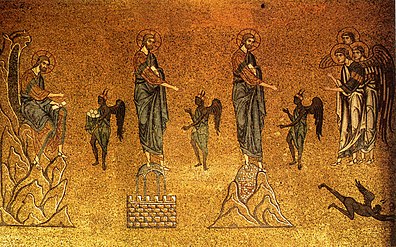
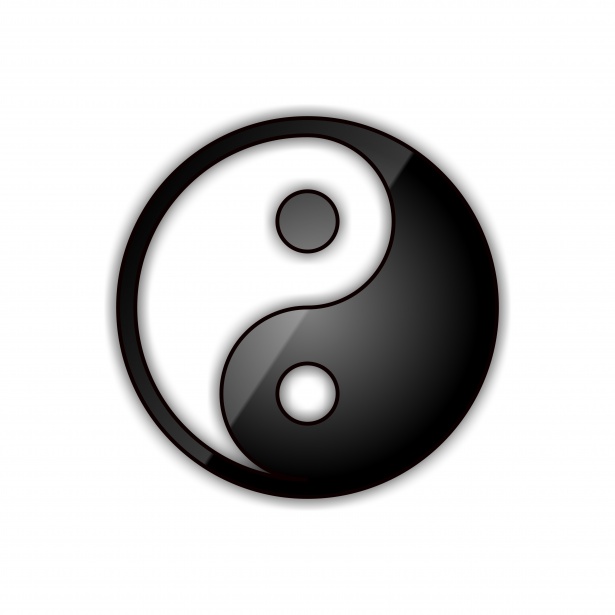



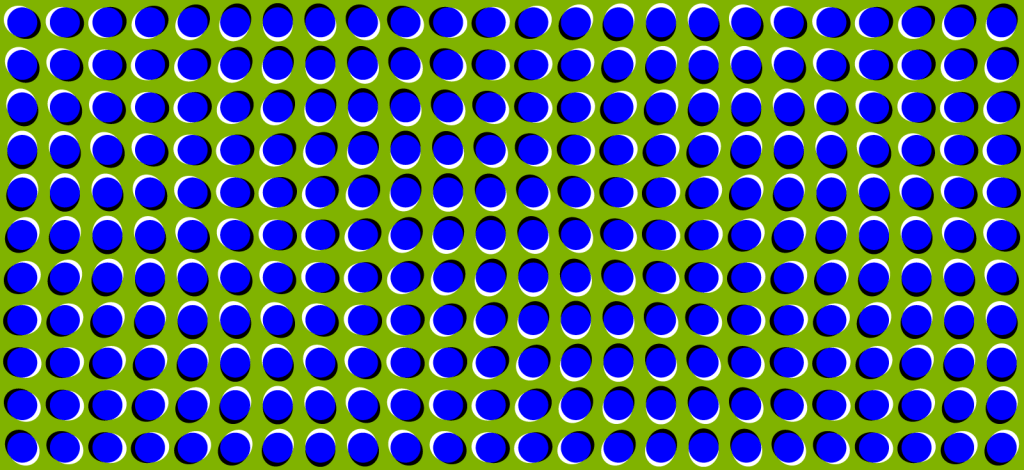




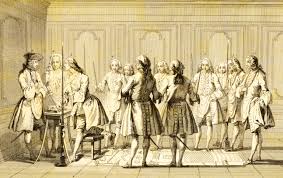
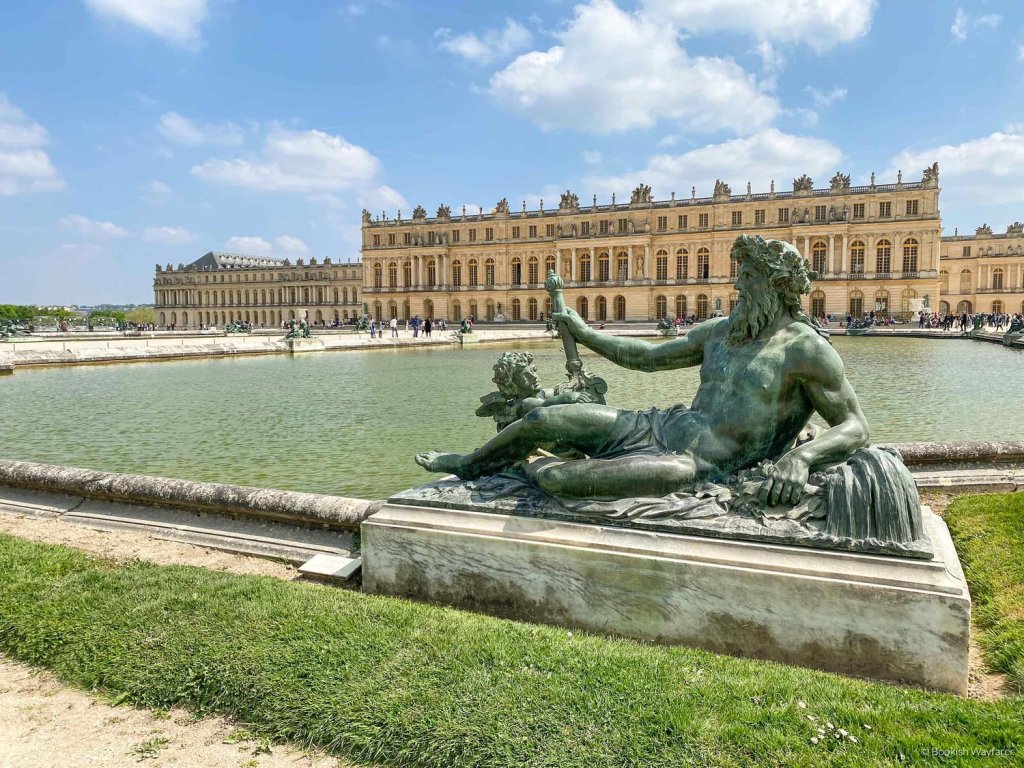
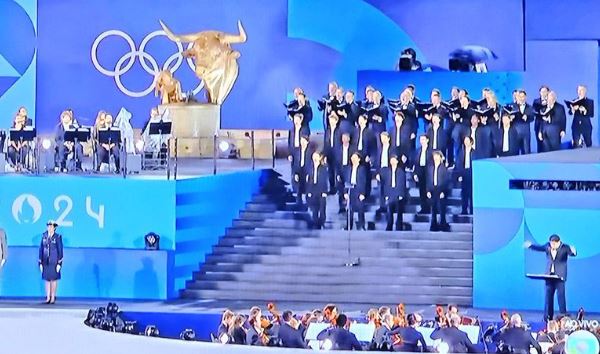

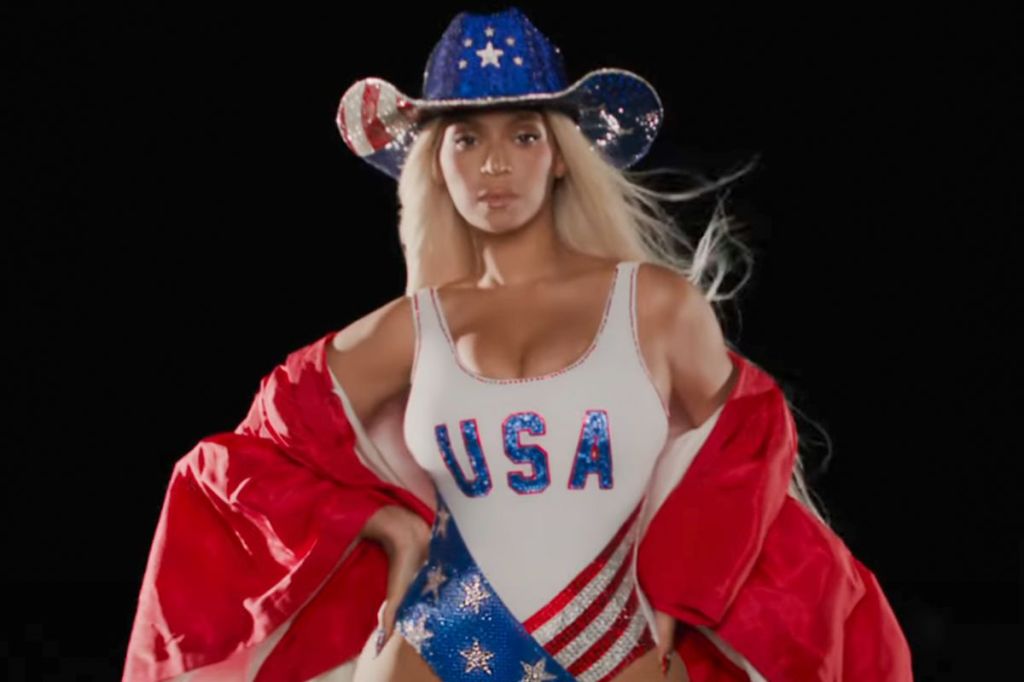

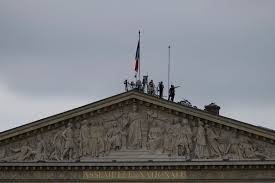


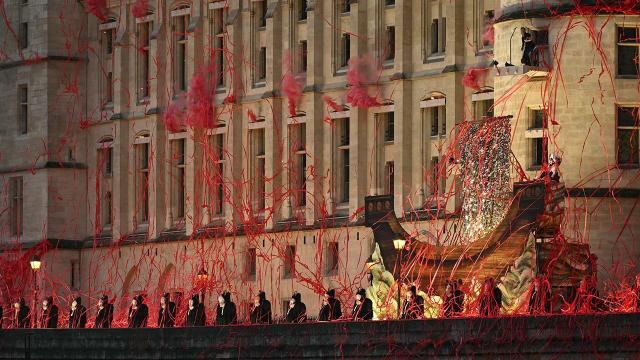
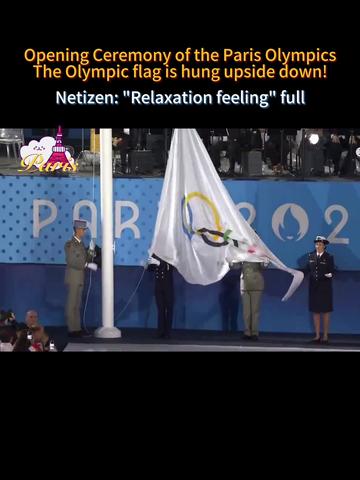


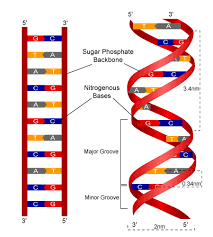


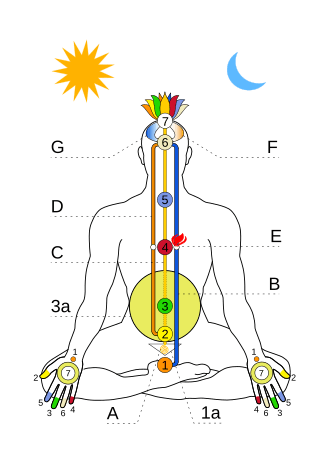

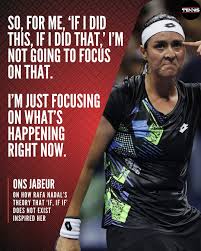
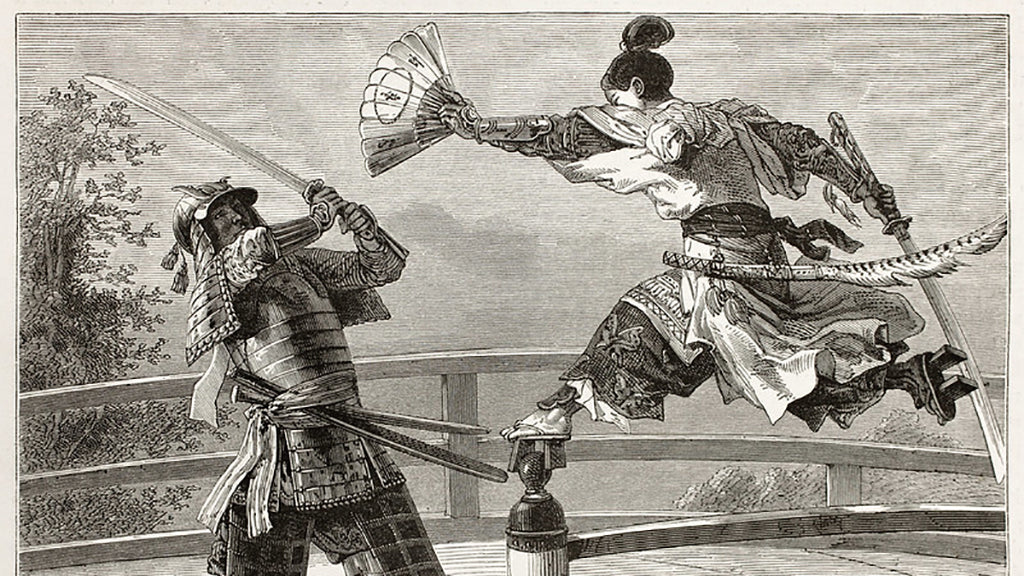
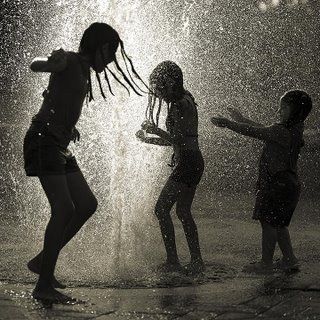


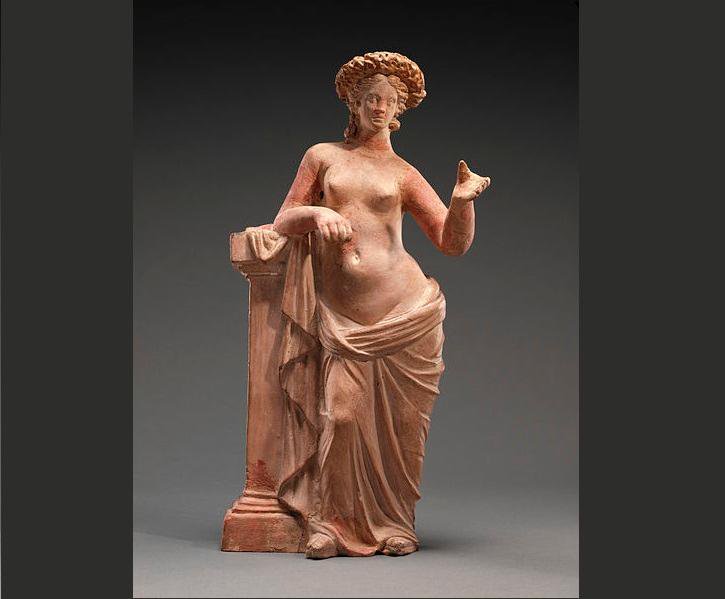
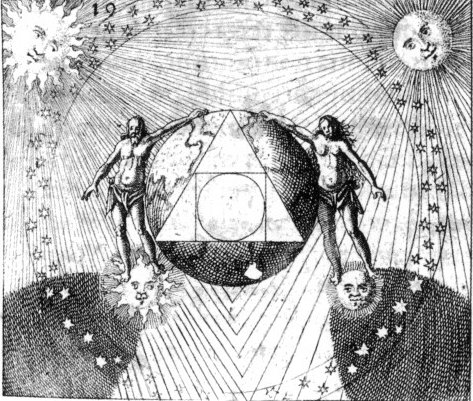
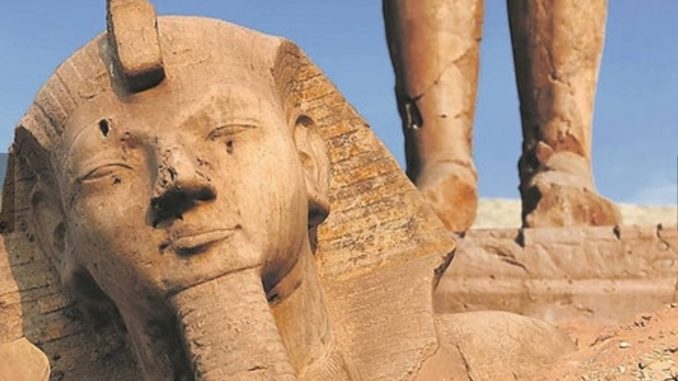

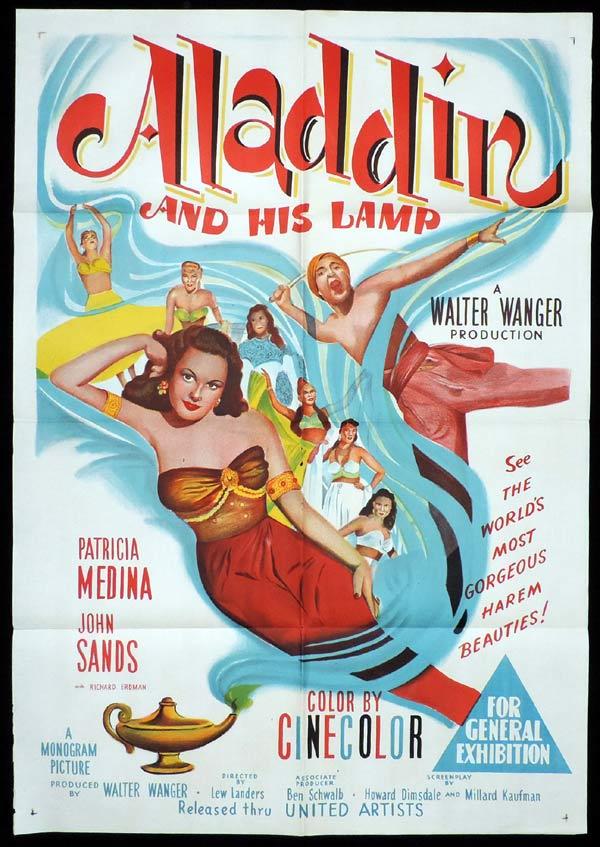

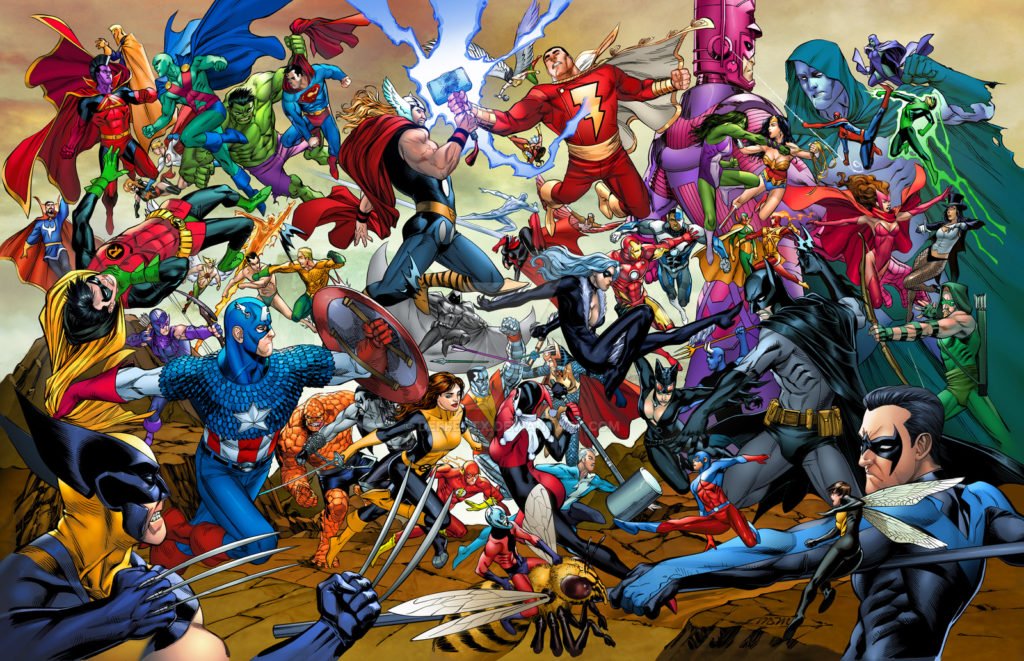
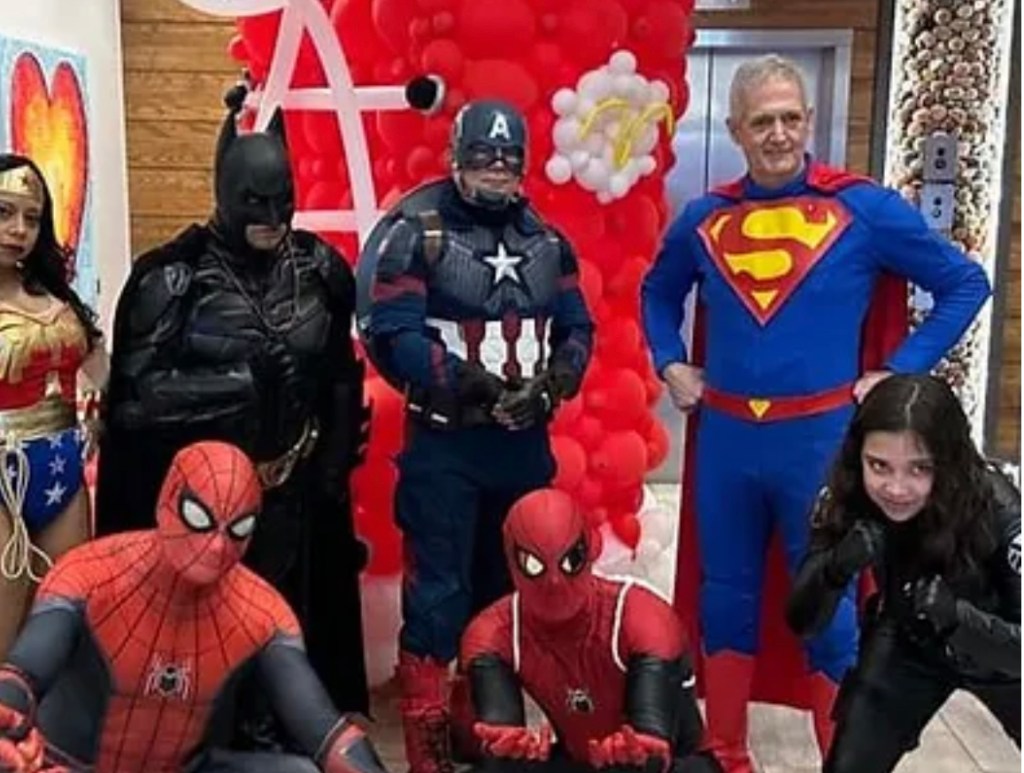

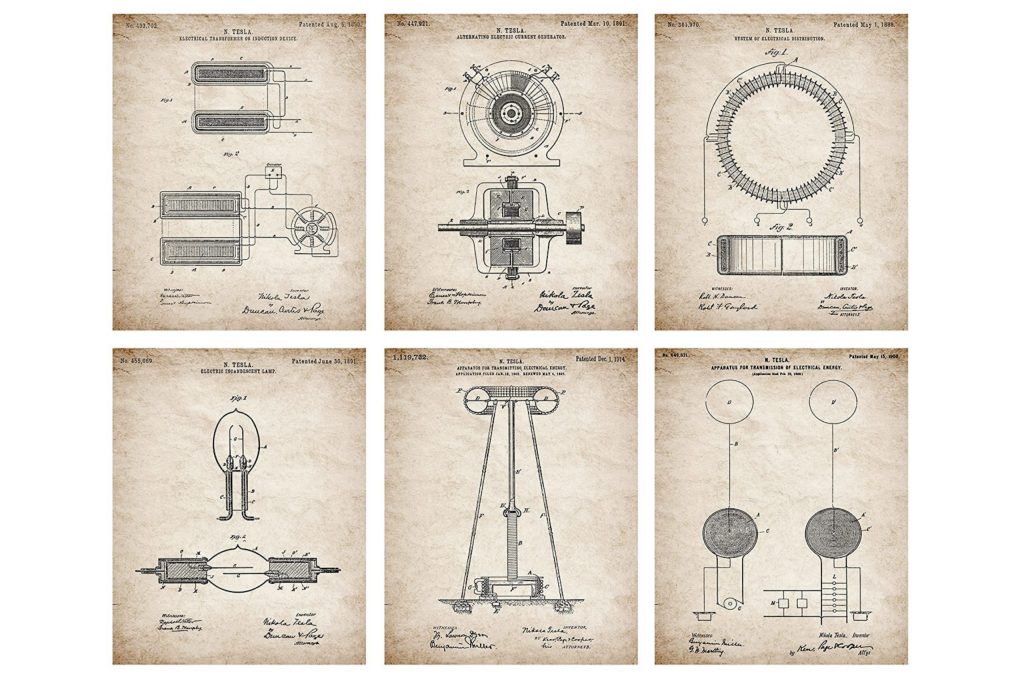

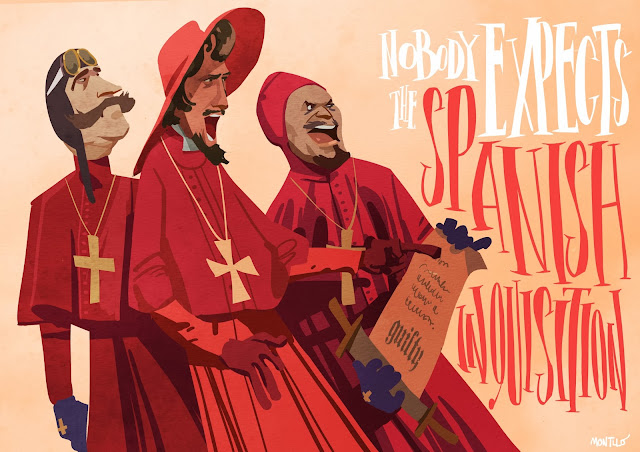

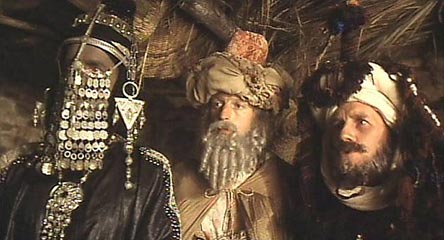
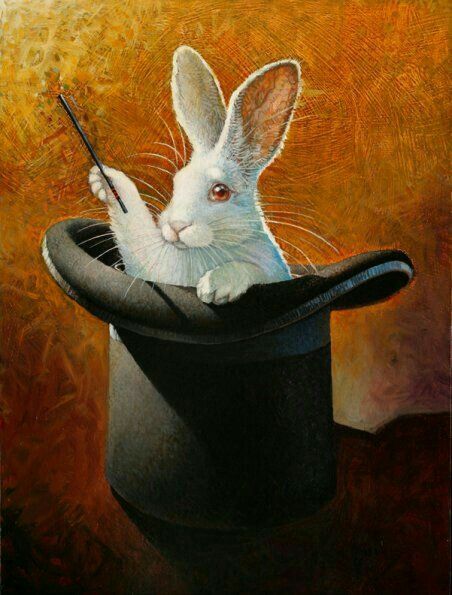
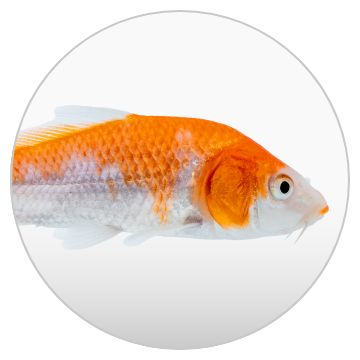


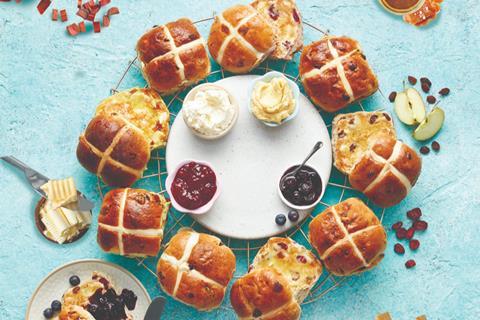

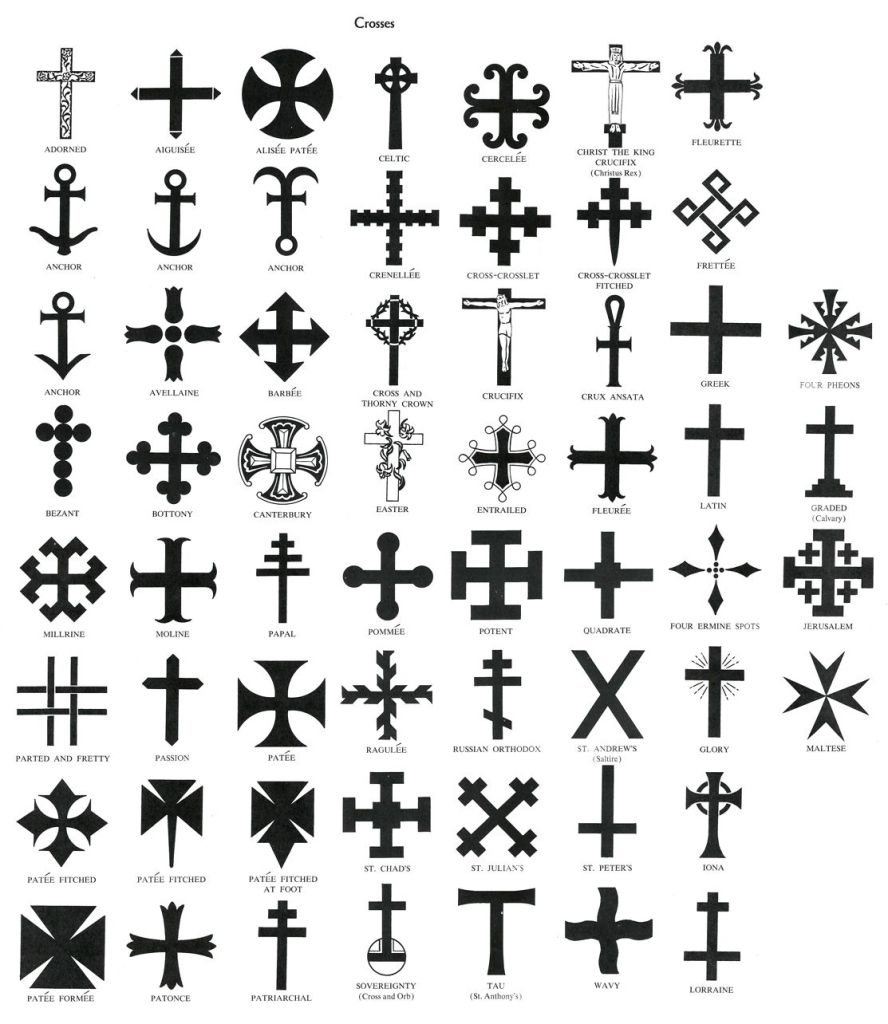


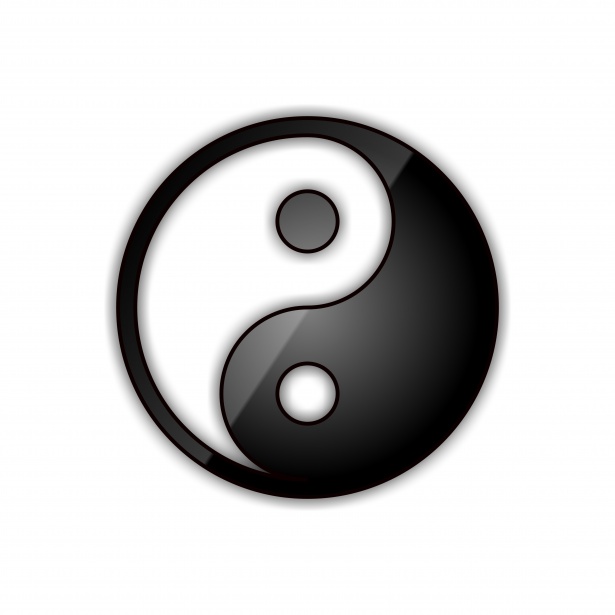
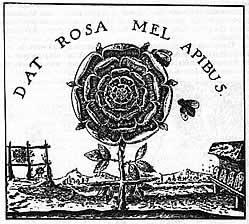
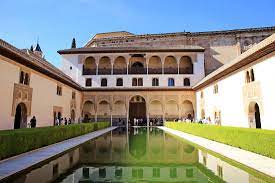

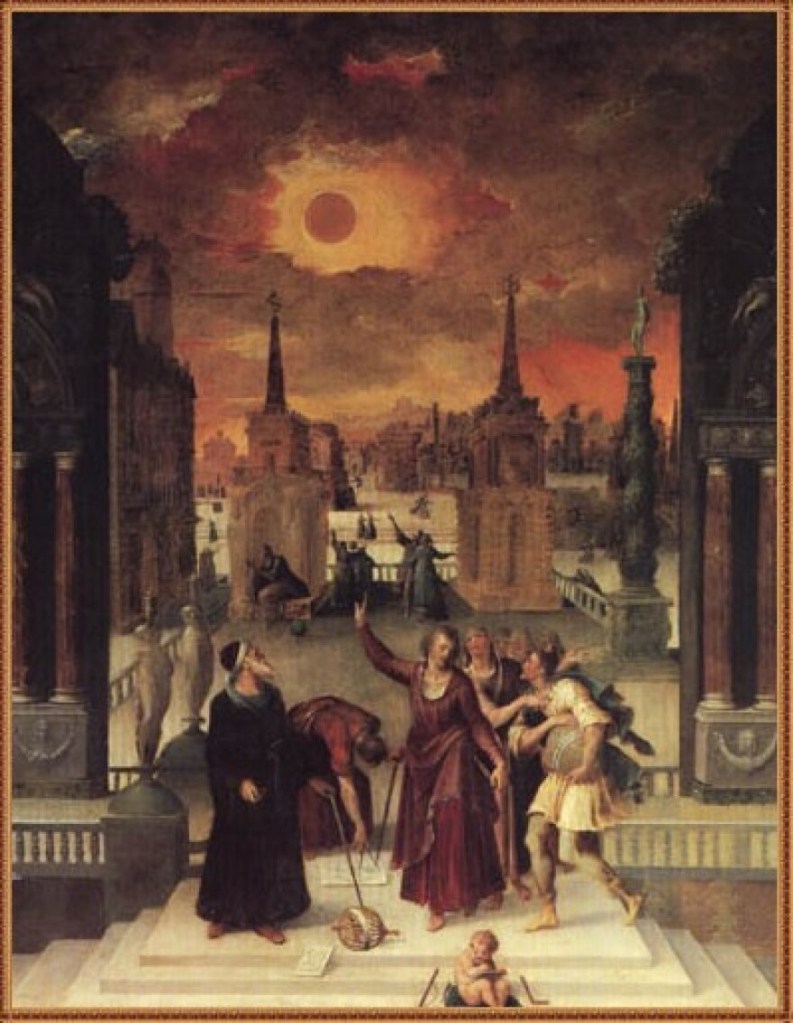


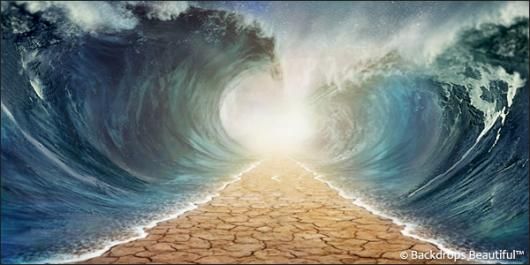
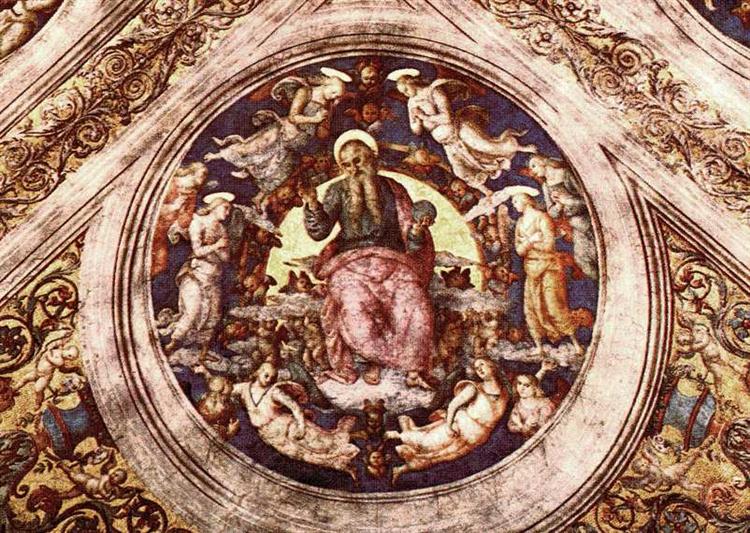
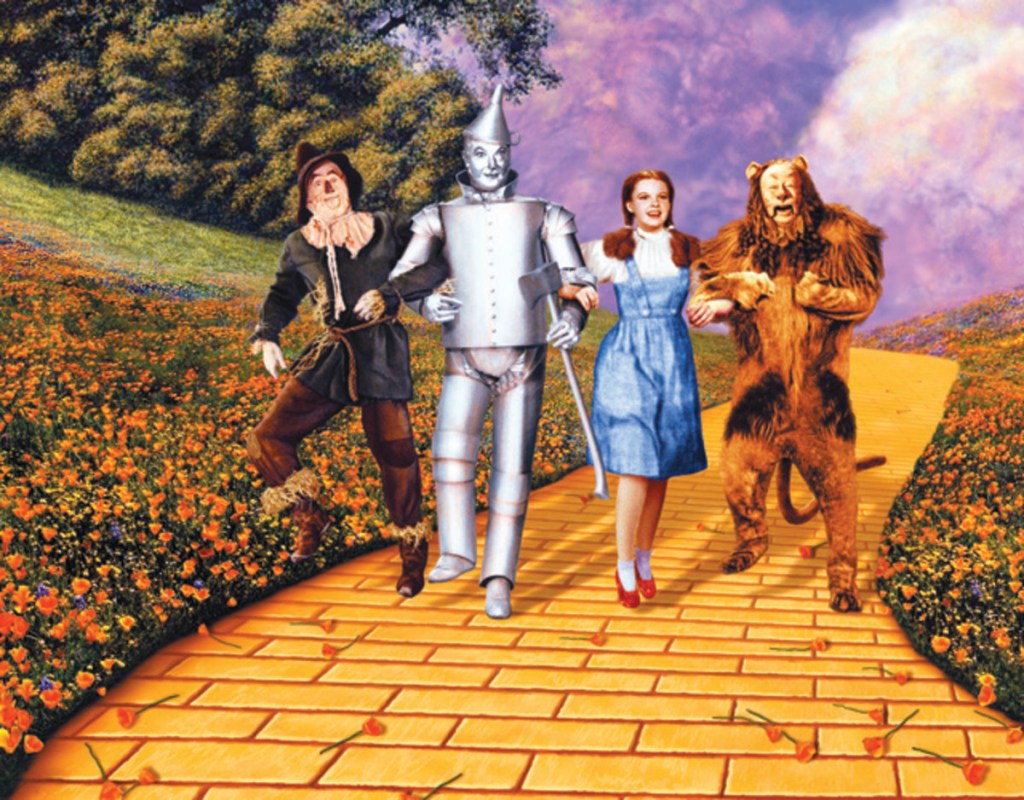
 Matters Blog