Are You Happy?

picture credit: Sydney Morning Herald

It’s a good question. Animals are simple enough, as their days consist of the need to satiate their needs for survival and emotions. Beyond this, whatever happens doesn’t bother them too much, so long as it isn’t a threat. Watching a cat snoozing or a hog gently feeding it’s young in mud, grants us this insight.

But as humans, surely our need for happiness goes deeper than the animals?

At the beginning of a life, we know a new born child has an instinct to seek it’s mother’s breast. After this physical and emotional nourishment, the infant can sleep, if only for a few hours before demanding the same again. At this level of development, humans are not obviously more sophisticated than animals, although admittedly, the process of complex learning, such as language, has undoubtedly begun.

Children can also become unhappy, as we know too well. The smallest discomfort or denial of pleasure creates a disturbance in the emotional well being of a child that we have all experienced. Unhappiness is the inevitable accompaniment to happiness and both become much of an adult’s life.
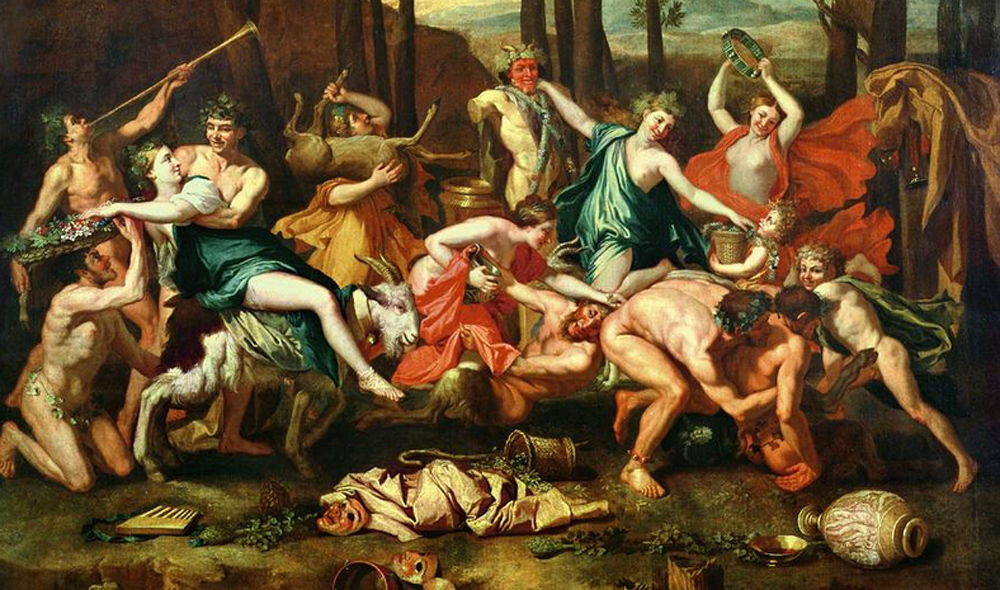
We are encouraged to immerse in this compulsive process of ‘pleasure seeking’ in a bid to overcome the roller coaster, which is the happy / unhappy continuum. Buddhist identify this pattern as ‘desire’ and recognise it as being a hopeless continuum; like the donkey following the carrot on a stick.

picture credit: Bloomberg

‘Recreational’ drugs try to break this cycle with the falacy of pursuing ‘happiness in a bottle’; where happiness is mistaken for chemically induced pleasure. Most people who have taken recreational drugs such as alcohol, will know that the ‘high’ comes at the cost of a ‘low’.

Despite this fickleness, the pursuit of pleasure is in some way less complicated than what one might call happiness. It can be induced by purely physical stimulation of the body. Happiness cannot.

To examine how pleasure and happiness are different, it might be that ‘happy’, has an emotional level as well an instinctual ups and downs. The heart gives us richer less tangible feelings of happiness that are less fleeting and can reward us even as a memory, for a lifetime. One’s marriage day is contained in the folded memories of the heart, like the birth of a child or one’s first love.

Happiness is in this way more constant than pleasure and is a function of both physical and emotional experience.
But we can climb this ladder one more rung if we consider the spiritual level of human experience. However much one may try to deny one’s spirituality, much of the progress of human civilisation documents this step upwards and is expressed in great works or sculpture, art and literature. The human experience is shown to be capped by spiritual experience and this results in what we call ‘contentment’. Religions and spiritual traditions around the world venerate people who reached ‘contentment’ by breaking attachment to this world and becoming an embodiment of the contentment found in love.

Souls who have attained a high level of spiritual contentment, will no longer be reliant on pleasure, and be ‘in but not of, the world’.

Neither will they be tugged hither and thither by emotional demands. Emotional feelings are not ignored, but observed dispassionately and recognised for what they are; passing, fleeting, capricious, irrational, beautiful, absorbing…a string of contradictory adjectives, which describe life.

Spiritual realms, we might observe, are not reached by being a slave to the world. Rather, they are reached by a process of no longer believing in unwanted connections to a ‘reality’ that is ultimately, not real.

A ‘holy man or woman’ historically has been recognised by this detachment from all pleasures and displeasure and all happiness and unhappiness. Torturers in the middle ages for instance, might inflict the most disturbing acts on their bodies. They might throw them into the deepest dungeon in the castle but evolved beings will emerge having removed the metaphorical thorn from the lion’s foot (the pain of life), as did Daniel in the Old Testament. No cruelty or threat of harm disturbs them, because they do not include this pattern of behaviour in their thoughts and emotions. Historically such stories of saints and prophets abound.

The great wheel of Fortune on which most people find themselves today, is in contrast, relentless.

Modern living in Western societies is hard for the majority. Depression and even suicide, has risen seemingly in proportion to one’s level of comfort. However rich a person is or famous, they find that they are not exempt from the torturer’s wheel because they are bound to it, as are most of us.

So long as people seek everything, except spiritual contentment, they will only ever achieve fleeting pleasure and happiness. The rest of the time they will be in the grip of desire for pleasure and happiness.

Only when the wheel stops, are you permitted, to step off.

Let Them Eat Happiness

Western culture has come a long way since it was ruled by royals and aristocrats – or has it?

Few French peasants would have even glimpsed the lifestyle of the immensely rich and powerful in the seventeenth and eighteenth centuries. They would have been unaware of what really went on behind the iron gates of Louis 14th’s palace at Versailles. The mirror lined rooms and the golden corridors of power might have well have been in another dimension.

a plate of happiness

Eventually the Aristo’s and the royals have lost much of their wealth and most of their power. The wealthy industrialists took on their mantle in the eighteenth and nineteenth centuries in the West. Instead of taking taxes from the poor, they stripped nature and nations, and occupied the masses (and their children) in factories.

With their acquired wealth, they built mansions set in Inigo Jones style gardens, just as the elite before them had. They bought military commissions, titles and honours and entered parliament. Power too, was for sale. It was a different game but with the same lust for money and dominion over others, as played by the royals.

In the twenty first century there is an awakening to these processes as having been outrageously ‘unfair’. There appear to be glimmers of similarity between the Gillet jaune and the revolutionists of the French Revolution. No guillotine’s yet but this revolution has only just begun. Perhaps it is a Gilletine.

This time round, the capitalists and the so called ‘elite’ are in the firing sights of the missiles from the streets. The possession of most of the wealth by the few, reverberates around the internet like a pin ball in a crazy machine; lit up with flicking levers, lights and cartoon graphics. How can it be fair, we are asked, that the ‘elite’ have so much money? Are they killing off the humans to save the planet using fluoride, chem trails and advice to avoid vaccination? Lies and suspicion are great hunting dogs.

Confucius; he says, ‘when the duck puts his head above the reeds in the hunting season, he had better be ready to be shot at.’

For just as the Sun King and the royal families of Europe were human enough to be pulled kicking and screaming from their palaces, so are the modern elite.

Sun King gate

The injustice and the irony of the lessons of history are obvious, but a working alternative is not. Even an establishment introduced by the anarchist rioters, is an establishment; ergo the Soviet Union. If a hundred anarchists met in a town square to tell the masses to get rid of their leaders, there would appear amongst the anarchists, a leader.

Philosophically and scientifically it is true, that to every force there is an equal and opposite reaction. So when you put on your black anarchist costume and mask and join the ‘anonymous’ mob to riot, what is the problem you are trying to solve?

The problems of the French or Russian peasant made a long list; no clothes, no health, no food, no water, no home, no land, no animals, no day off etc.

The problems of modern westerners is none of the above as they have it all; health, food, transport, leisure, labour saving technology etc.

The problem appears to me therefore to be no longer external, but in the mind. It is built on the number one illusion in the hall of mirrors, that ‘money equals happiness’. We know this isn’t true but we still pursue it and want to be rich. The lines of people buying lottery tickets from the street vendors where I live in Spain, are an indication of the pursuit of wealth as being perceived as the same as the pursuit of happiness. Or just peep over the pond at the great USA and it’s everywhere in their way of life.

The pantheon of the Ancient Greek gods, has been replaced with so called ‘political elite’ and ‘celebrities’. Vane and pointless people who have had the luck of being in the right place at the right time, self promote on social media. They spread the myth that everything on their side of the palace (or Big Brother) wall is great. Instead of hiding, in the manner of the royals, aristocrats and industrialists, they tease the rest of us with videos and photos of their material success and happiness.

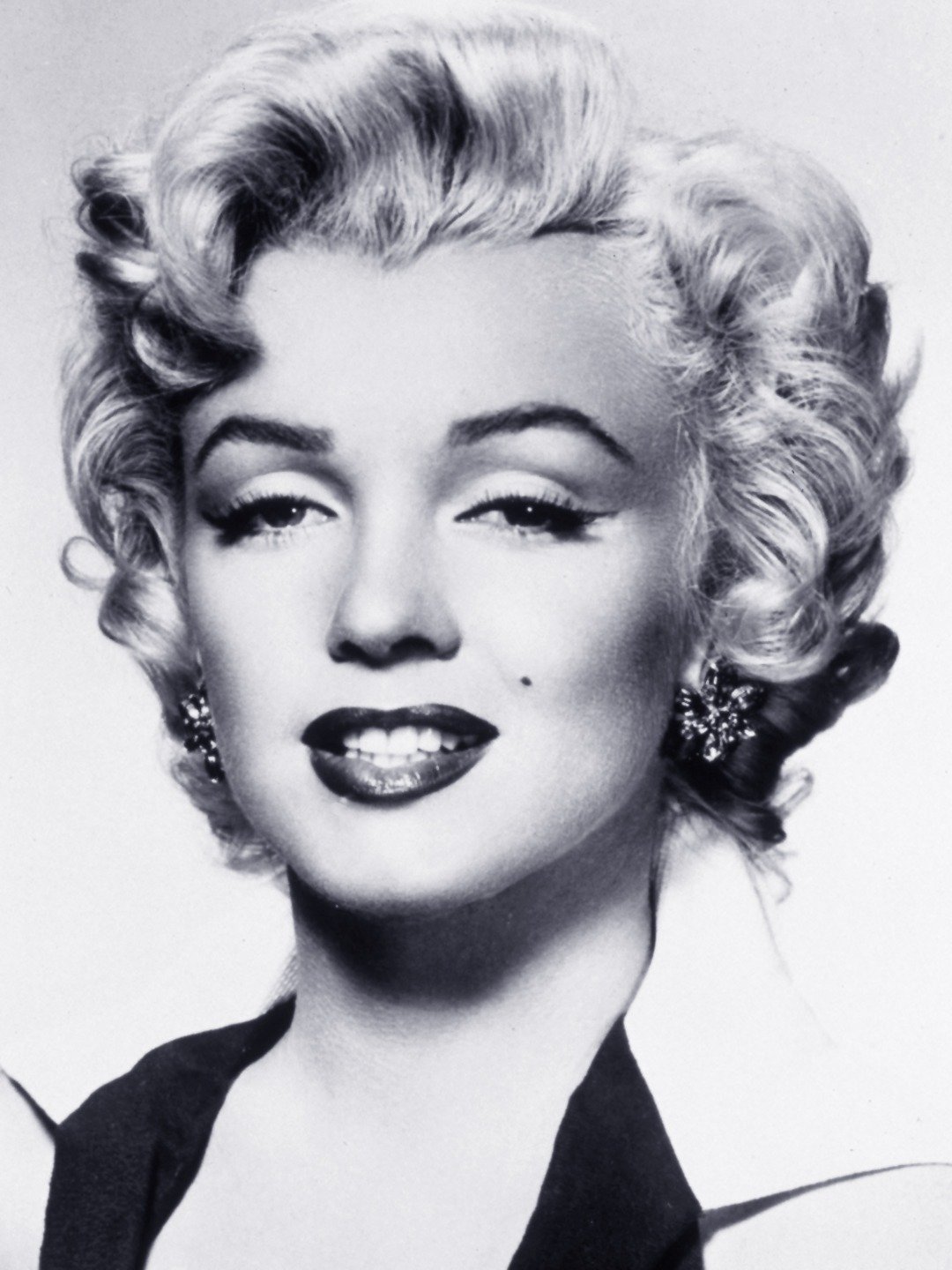
Even when the mascara is smudged with tears, even when cancer eats away the golden vocal chords, the golden divorce unfolds, the assasins bullet richochets amongst the pillars of the halls of power; the masses worship their sacrificed gods. And should an over dose of some not-so-whizzy drug, close down the not-so-happy participant in the great party of celebrity life, selective memories promote the deceased as a greater god for being dead. Goodbye Norma Jeane.

Various

And yet, as long as two thousand years ago, a man said;

I tell you the truth, it is hard for a rich man to enter the kingdom of heaven. Again I tell you, it is easier for a camel to go through the eye of a needle than for a rich man to enter the kingdom of God.

For if you change the problem from ‘not being rich’ or ‘others should not have riches’ or ‘I want power’ or ‘I want what he’s got’ or ‘give me what I am owed’ or ‘they spoilt everything for me’ or ‘I just want what I deserve’ or ‘you can make me happy, why don’t you’ or ‘if only I was rich’ –

to; ‘how can I be eternally happy?’ then that is an easier problem to solve. Most of the historical examples of people who became eternally happy did so by giving away their possessions and gave love to others. Well documented examples would be Prince Sidhartha, Jesus the Christ, Vishnu and Kali, Mother Teresa, St Francis of Assisi.

Lesser known examples are the monks, nuns, non- government agency relief workers, public servants, healers, charity workers, environmental activists, street sleepers, the wanderers and people who you may know personally.

We may not all be saints, and perhaps those posthumously awarded sainthood were not either, but we can aspire to share what we have, however much or little that may be.

The non-self centred may not hit the news headlines, they may not be seen in a queue for a lottery ticket, they may not self promote like politicians, they may not stand up against the politicians, they may not have flashy cars and houses or go for golden globes – but they exist.

Their happiness is not necessarily in this life time or even the next, but they will have seen over the wall into the garden of Paradise. It is not on this earth for this globe is not, and never will be, ‘golden’. It is but a shadow of the real Paradise where there is no chaos, no illusion, no entropy and certainly, no lottery.