Question: how many stars can you see in the daytime?
Answer: One
That star is, of course, our sun and yet sometimes we overlook it’s splendour and magnificence. It becomes one of those many blessings that we take for granted when we consider ourselves poor.
The thief left it behind
The moon at the window
Basho
This poem was written by a mendicant monk in Japan after a thief took his only possession from his cave – his begging bowl.

Both the sun and moon represent powerful forces in our lives. They dominate our lives and loves in the most subtle of ways.
If you live in a part of the world where the appearance of the sun is unusual, then a ‘nice sunny day’ is one for being outside, perhaps even ‘sunbathing’. Deep in our beings we have a natural dependency and love of the healing rays of the sun that we wish only to be in it’s presence.
So strong was this connection in ancient times, that the Sun was regarded as a god by many cultures. The ancient Egyptians named him ‘Ra’. In their paintings and hieroglyphs, Ra is depicted spreading rays down to human figures, usually the Pharaoh. At the end of each ray is a hand sometimes holding an ‘Ankh’ or symbol of life.

One pharaoh called Akhenaten, ordered that the old Egyptians gods should no longer be worshipped expect for ‘Aten’. He referred to himself as the ‘son of God’ and is depicted with his wife, Nefertiti and children as a ‘holy family’, a theme later echoed by Christianity. Akhenaten even moved the capital city called Akhentaten. The temples had no roofs to allow in Aten’s rays.
He was not the last to conceive of a ‘sun city’. Louis 14th bathed in the name of ‘The Sun King’ and adopted the sun as a symbol of his reign. He moved his royal court and government to the Palace of Versailles in 1682, from where his presence shone for all the gaze and wonder, at least until the solar eclipse which was the French Revolution.
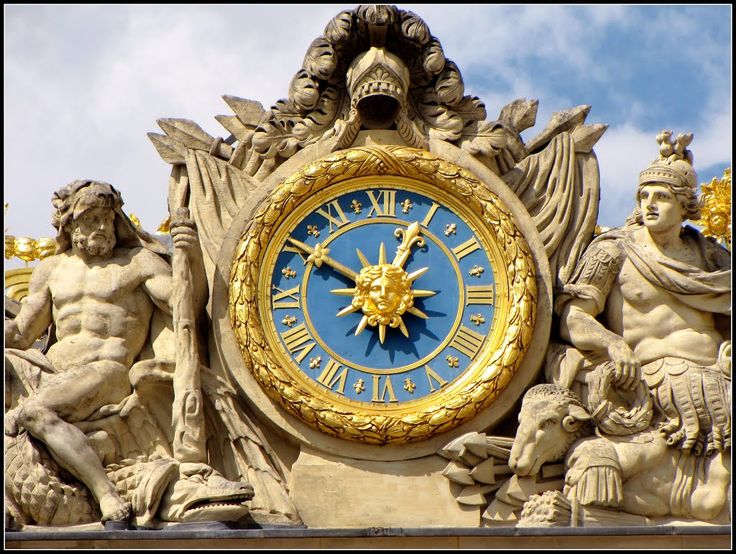
The tradition continued into modern times when the French-Swiss architect, Le Corbusier designing a ‘radiant city’ or ‘Ville Radieuse’.
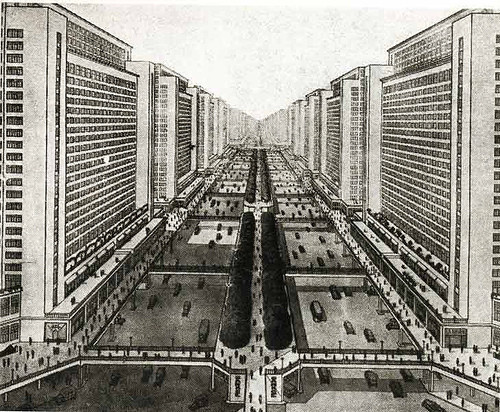
He too was had Utopian ideals but this time it was the common man who would bath in the all powerful rays of the sun. High rise buildings would be aligned in straight lines and wide spaces to allow light to spill into living spaces through large windows. All rooms were designed according to the proportions of the human body, as did the Ancient Egyptians, evidenced in the works of the mystic and scholar, Schwaller de Lubiz.

My point is that the Sun God has shone on mankind for thousands of years and it should not be hidden in ‘plain sight’.
If mankind needed a reminder, then the moon makes a perfect counter balance to the sun’s majesty. It has no light of it’s own yet can reflect with great brilliance in the night sky. The moon has an enduring power over humankind as a symbol of our ability to ‘reflect’ on ideas. This enables us to absorb and process ‘light’ as what we call ‘inspiration’ and underpins most of human development.
At some point in time, after the belief of Royalty being the sun God’s representative on earth, modern humans accept the reality that they, ordinary people, can do this as well.
Not only have we internalised the moon, but so may we swallow the sun.
‘The sun is in my heart
and I am ready for love,’
So sang Gene Kelly in the famous film, ‘Singing in the Rain’.
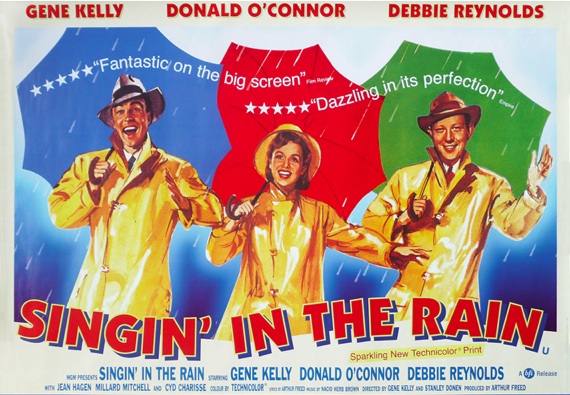
The place of abode for the sun is traditionally in the heart. The Indian Hindu mystics place the sun just below the heart in the ‘solar plexus’ chakra and it’s proximity is significant. The essence of ‘life’ is contained in the chambers of the heart muscle. It’s protein molecules are designed never to stop working – like the nuclear fission process in the sun; at least for the length of life of the human body. If a heart ever stops it can be powered back to life with a large charge of electricity from a defribilator.
Go sweep out the chamber of your heart.
Make it ready to be the dwelling place of the Beloved.
When you depart out,
He will enter it.
In you,
void of yourself,
will He display His beauties.
Mahmud Shabistari
I have quoted this beautiful verse before in my blogs as these lines, in my view, give humans all the information they need. They tell us that something is wrong in our hearts; they need to be swept out. Just as the skies fill with clouds and obscure the sacred sun the sacred moon, so too our hearts become obscured.
We get an idea of the size of the cleansing required in the psychological story of Hercules and his fifth labour;
The fifth labour (0f Hercules) was to clean the stables of King Augeas. This assignment was intended to be both humiliating and impossible, since these divine livestock were immortal, and had produced an enormous quantity of dung. The Augean stables (/ɔːˈdʒiːən/) had not been cleaned in over 30 years, and over 1,000 cattle lived there. However, Heracles succeeded by re-routing the rivers Alpheus and Peneus to wash out the filth.
Excerpt from Wikipedia
Note how the livestock are described as having ‘divine’ and ‘immortal’ qualities normally reserved for Kings. It is clear that even the cattle knee deep in their own dung, can aspire to being divine. Naturally, the cleaning takes place using the power nature, in this case water, a symbol of clarity, purity and power. Would it be too speculative to suggest they are the powerful arteries and veins of the human heart?
The Ancient Egyptians believed that Ra, the sun, was present in the heart of every human being; each human contained a small sun. They carried this divine power until death when the soul or Ra, departed the earthly body and returned to heaven and the afterlife.
This tradition is remembered in the Christian tradition as the ‘resurrection’ and in Islam as the ‘Mi raj’ or ascent of the Prophet Mohammed (s.a.s.) to heaven.
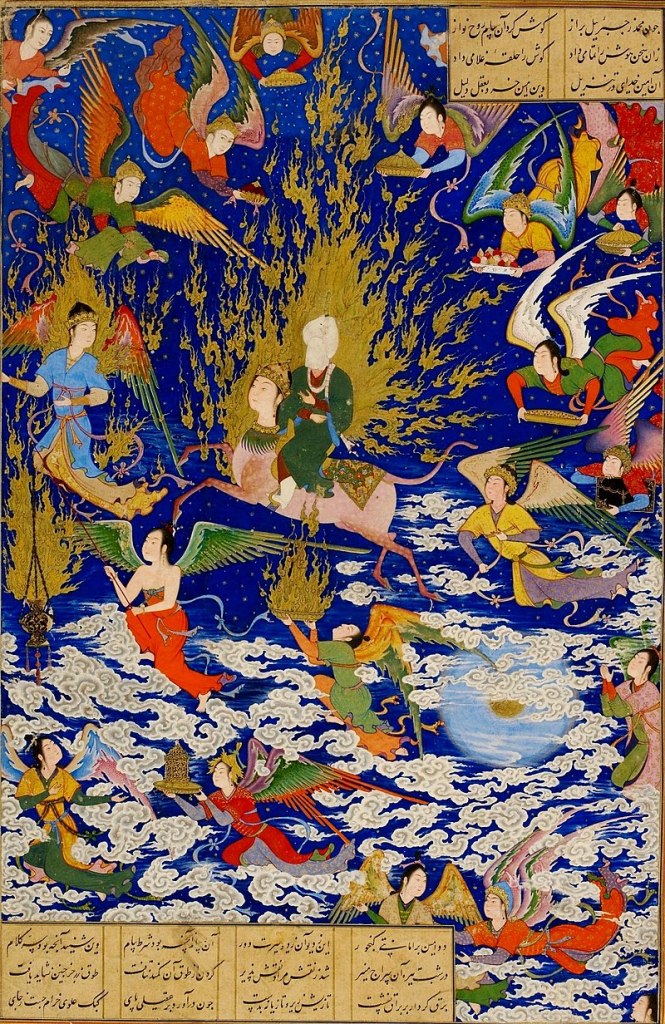
Note in this early painting the human headed horse on which the prophet (s.a.s.) sits. It is called the Buraq which means in Arabic ‘lightning’ or ‘bright’ with thanks to Wikipedia.
So we may reasonably conclude that we have revered the sun and the moon as symbols of our interior lives. We sometime express these divine principles in our buildings, our cities and our environment.
The sky is the most unchangeable, immutable presence in our lives and deserves contemplation and absorption where it can spin and shine for ever, if we let it.
Bring me sunshine
In your smile
Bring me laughter
All the while
In this world where we live
There should be more happiness
So much joy you can give
To each brand new bright tomorrow
lyrics by Sylvia Dee for Morecombe and Wise’s theme song