Serving the machines
It is interesting to observe how the process of shopping has changed over the decades and wonder how this will evolve within the current rush by large corporations to replace humans with Artificial General Intelligence.
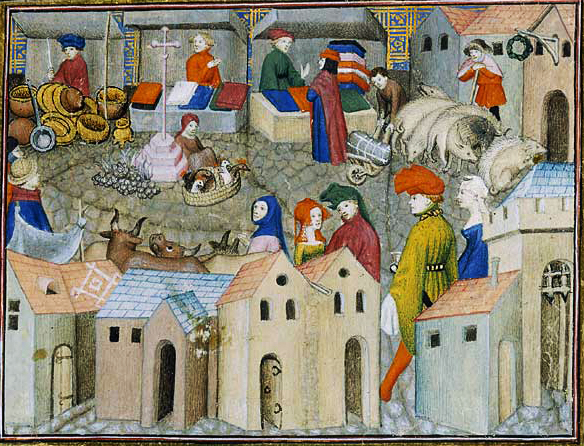
For hundreds of years people bought and sold produce in street markets. The social interaction in this daily event provided fresh wholesome local produce at prices that most people could afford including by barter.
If one were to score this system for its social interaction and satisfaction, I would give it 10 out of 10.
My grandfather was a Victorian and worked in a food emporium in England. The shop assistants stood between the merchandise stacked on shelves and the counter. Customers approached the counter and described what they wanted to the assistant. The food was either processed and weighed on the counter or handed to them in exchanged for payment.
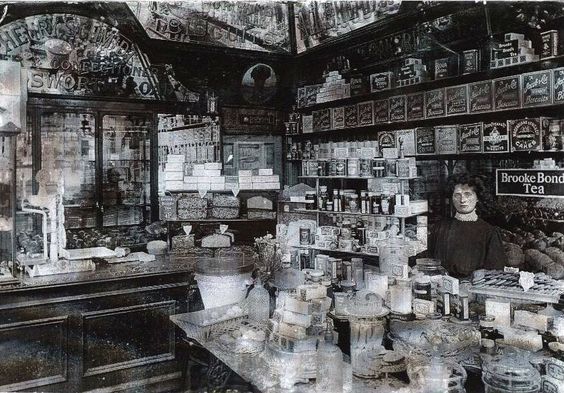
If one were to score this system for its social interaction and satisfaction, I would give it 8 out of 10.
The method of the exchange of goods changed in a revolutionary way in the 1960’s American style ‘supermarket’.
The counter was removed and customers were free to select items from the shelves. They had to place items in a wire basket that they carried to a ‘check out’ for an exchange of money to take place between customer and a friendly check out operator.
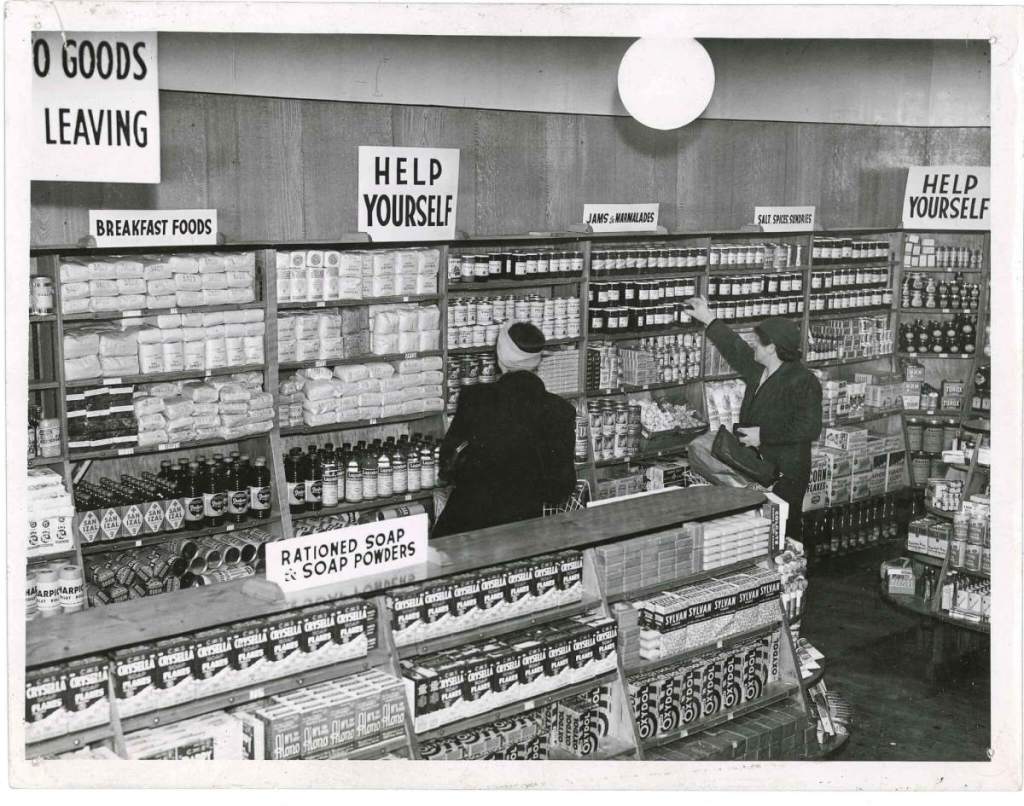
If one were to score this system for its social interaction and satisfaction, I would give it 6 out of 10.
(NOTE the ‘rationed soap’ in post war Britain and the lack of fresh produce.)
There has since been a move to eliminate the need for the shop to have check out tills. They are being replaced by areas in which the customer completes the whole process of pricing their selected goods, packing and completing payment. No employees for the food companies means higher profit.
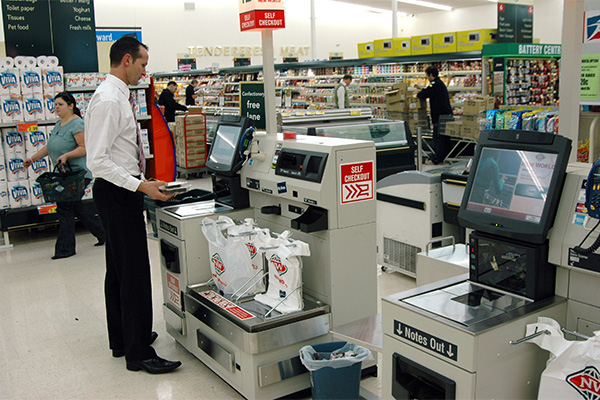
If one were to score this system for its social interaction and satisfaction, I would give it 4 out of 10.
Today the process of the customer leaving home to go shopping is being reduced and perhaps will eventually not happen at all. Instead, goods are selected and paid for virtually online and delivered by human or robot to the customer’s front door. No expensive shops for the food companies means more profit.
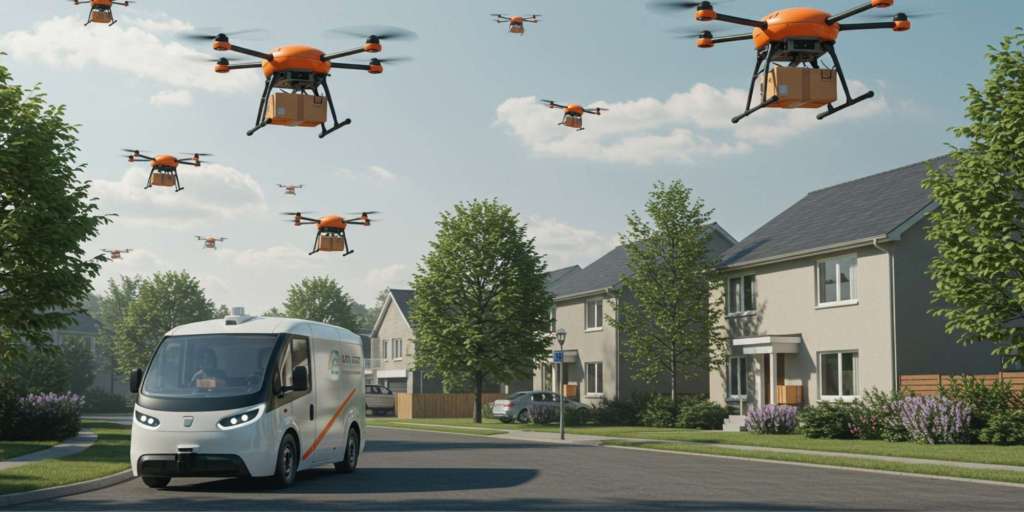
If one were to score this system for its social interaction and satisfaction, I would give it 2 out of 10.
This is a brief view of shopping as a social science until the present day. Each ‘innovation’ and ‘advancement’ has been conducted principally to boost profits for the company at the expense of customer’s social interaction and satisfaction. One wonders what will happen next? Will it be a search for more profit or something more sinister?
In my view, life in the future will almost certainly involve Artificial General Intelligence which thankfully has not been matched by human general intelligence, yet. When it does, I expect governments around the world will use the distribution of goods to private customers as a process of exchange not for money, but obedience.
The model of ‘lock downs’ was developed in the ‘pandemic’ of 2020 for what has turned out to be of doubtful benefit. Citizens in countries of all political persuasions were expected to stay at home and not complain. Food, water and medicines could be obtained but movement in public places was surveyed and strictly policed on the grounds of ‘public safety’.
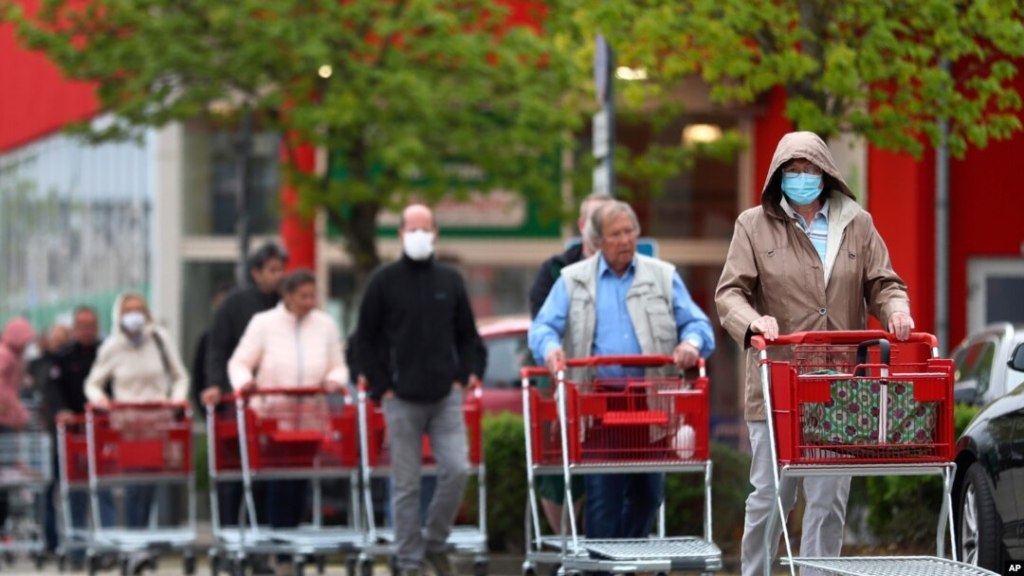
The advantage for governments of this system is that the principal of citizens being free to do what they want, is disallowed. People will not be permitted to consume the quantity and quality of food they can afford, as today. Instead, customers will be told that they can only have what is available. Vital services and goods will be shared out in this way, based on availability rather than need. Various ‘plausible’ reasons will be given for the unavailability of food and groceries such as energy and fertiliser shortages (caused mainly by sinister or negligent and reckless government policies, such as not supporting farmers).
As happened in the Democratic Republic of China during the pandemic, mobile phone apps enable governments to control people; such as free movement to work and shops. This system might easily extend tomorrow into rationing of goods and services for ‘the common good’ and ‘safety’ and ‘unavoidable shortages’ etc.
If one were to score this system for its social interaction and satisfaction, I would give it 0 out of 10.
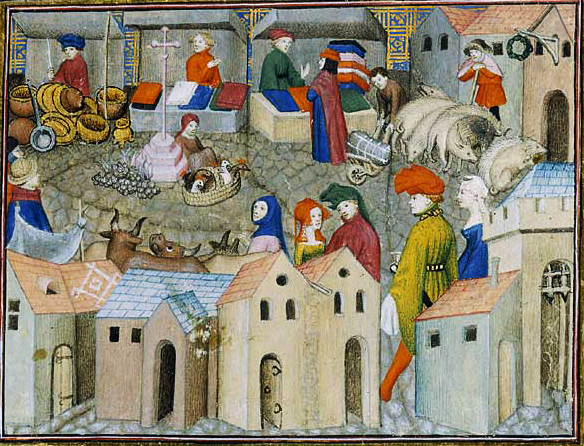
However, hackers using spybots and malware purchased from the dark web, can be expected to try to outsmart the government smartphone apps. As in all closed systems of exchange, there will emerge a black market. At certain times and places, people will be able to meet pop-up traders selling wholesome local products such as organic chicken eggs, grains and vegetables. Neither AGI nor governments will know anything about it.
The wheel will have turned full circle.
If one were to score this system for its social interaction and satisfaction, I would give it 10 out of 10.

