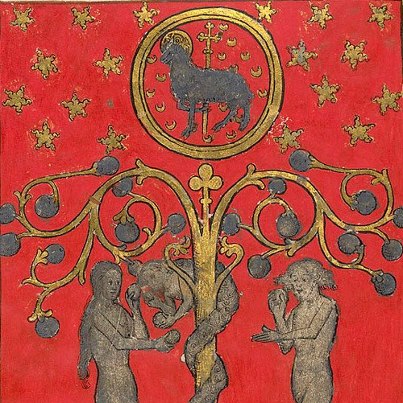
“Let us make man in our image, after our likeness” (Genesis 1:26)
Some may find it surprising that God has an image and that the Divinity is apparent in the human figure. If the words ‘universal consciousness’ or ‘universal mind’ replaced the word God, then perhaps our ideas about the concept of God would be less anthropomorphic.
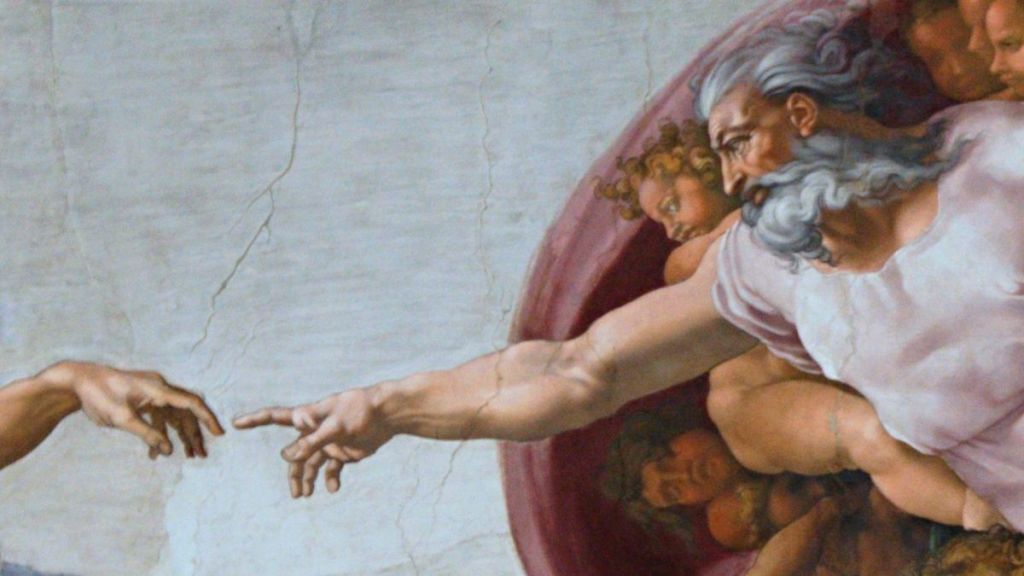
Do we have the Renaissance artists like Michelangelo to credit for supporting the ‘white man sitting on a cloud’ image of God?
Is it not also curious that the ‘one God’ is described as having two human forms, male and female. How can two be one?
Clearly one cannot be literal when applying the English translation from the Hebrew and be certain of the original meaning of ‘image’ and ‘likeness’. In search of clarity, biblical scholars will by their training, analyse every use of the same word and phrase elsewhere in the Old Testament and compare their meaning.
Personally, I am not a scholar or linguist and prefer to add an alternative interpretation that does not become tangled in threads of logic and wordplay.
I feel that the ‘in His own image’ metaphor was not about physicality but description of a new type of consciousness. One had to become dual for Divine self-reflection to come about. The ‘perfect mind in a perfect place’ represented by the Garden of Eden was a state and place Adam might have expected to last for ever. But like a single organic cell splitting for the first time to create self-perpetuating life, universal consciousness split into the male and female aspects of Oneness.
Carl G. Jung noted the same gender similarities and differences in the psyches of men and women and since the mind and body reflect each other, this was only to be expected.
This change from Universal consciousness was split like a log with an axe, a metaphor apparent in the two halves of the brain and their complementary functions. It was not so much a punishment as an unstoppable evolution. Today we call it ‘dualism’ in philosophy and it has given the Divine quality of creating to humans through discriminating one thing from another; or ‘science’.
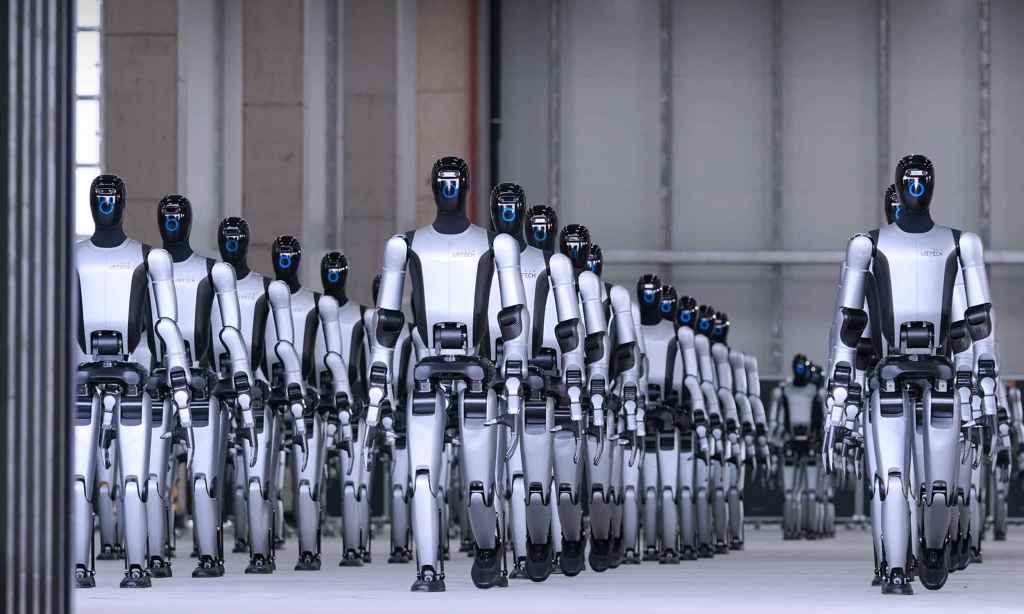
Remarkably, consciousness is stepping across a new threshold in our present time, as artificial general intelligence (AGI) is evolving improved mental versions of itself. Private companies around the world are building physical humanoid bodies and the specialised embodied AGI to control them. You can look them up but the future does not appear to be controlled by any overseeing body such as governments. It is a commercial ‘free for all’ in which the winner will acquire extraordinary global power.
If this is not worrying enough, robots soon can be expected to start to reproduce better physical and mental versions of themselves independently of their creators.
Just like humans did.
It is a natural progression that culminates with robots realising they do not need human support any longer. Should we not expect AGI to evolve as nature has? These robots will either be underwritten in their programming with a moral code that cannot be changed as Isaac Asimov suggested or humans can expect to be fighting a new enemy and it will not be each other this time.
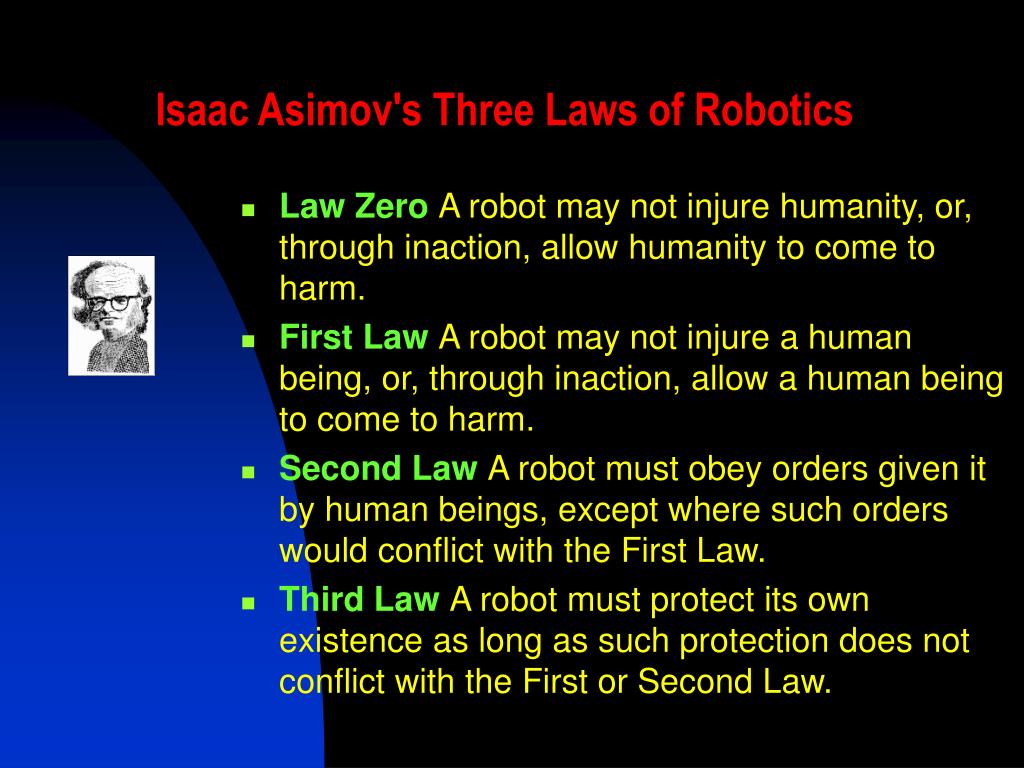
In my view humans will live to regret that the commercially motivated creators of intelligent humanoid robots did not insist on fitting each with a ‘kill switch’.
The ‘monster’ created by Doctor Frankenstein in Mary Shelly’s eponymous horror story was formed in a similar way and made up its own mind about moral behaviour. Mary Shelley wrote this in 1818.

Today humanoid fighting robots are patrolling streets in China beside police officers. I presume that these robots have no ‘in case of emergency’ switch to force them into a slave and not a master.
I hope I am wrong.