3 + X = 4

When you do not know the cause of an effect (X), is it good science to ignore the effect?

The effect I am postulating here is the enduring mystery of a life energy force known variously as Prana, Ether, Chi or Ki, Vril and Orgone. This phenomenon is known by many names in different cultures and yet it remains undetected and unacknowledged by scientists.

What I would like to suggest as the origin of Prana is not supported by scientific observation but is intuitive. Perhaps the science will discover it in our lifetimes! In the meantime, Quantum Physics is filling the void between mainstream science and the so called ‘supernatural’.

In Quantum Physics there is a law that the observer brings something ‘unseen’ to what humans perceive as their ‘reality’. In a nutshell, ‘consciousness participates in what is there’. In addition, the famous double slit experiment confirms that this participation is creating what we experience with our senses.

It is not fanciful therefore to suggest that the manifestation of Prana is caused by the presence of a mindful observer. The act of counting breaths in and out and holding breath, changes the status of the practitioner from ‘breather’ to ‘observer of self breathing’.

Logically therefore, if there is no observer such as when we breath unconsciously, then there is no Prana or its effects, such as elevated consciousness.

I think this is a fascinating idea, so let us examine some examples.
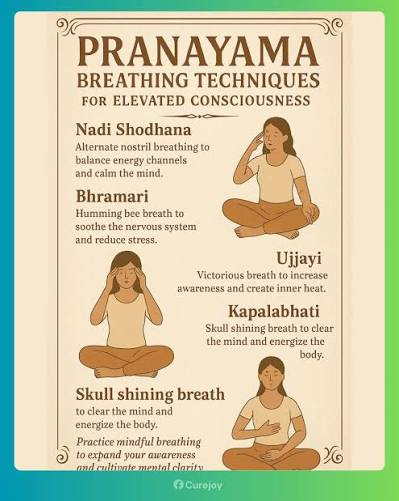
The most obvious is found in the practice of Hatha Yoga; breathwork or Pranayama. Various mindful breathing techniques are practised so that Prana is created during breathing.

In another example, consider two excited people observing a soccer game. One is watching the match on a screen at home, and the other part of the crowd in the stadium. We may all agree that watching screens can feel flat and draining after a time. In contrast, a sports stadium full of enthusiastic supporters is a highly energised experience. The sport stadium feels ‘alive’ because of the spectators and their concentrated observations that are collectively generating Prana. This ‘charged atmosphere’ we know from our own experience whether in sport or theatre or musical performance, heightens our perception in an almost mystical way.

Parliaments in the Bronze Age and Iron Age met at naturally energised artificial mounds and circles of stones such as Stone Henge in Southern England for the same reason. The underground water in the chalk hills generates ‘earth energy’ which is stored and released according to important solar and lunar events. The naturally occurring Prana which is attracted to water, gives the observers a heightened experience of beauty and harmony, creating in visiting Druids and leaders, the wisdom associated with states of higher consciousness.

So, what might be another cause of the creation of Prana other than breathing mindfully and visiting energetic places?

I suggest, again without any experimental proof, that Prana is created by the light touch of the Fourth Dimension that surrounds us. Carl Sagan can be found on You Tube explaining how humans may be influenced by our hidden 4D reality in a very simple way. He describes a two-dimensional world represented by sliding around cardboard cut outs on a tabletop. He then introduces a three-dimensional object; an apple. The only way the 3D apple can appear on the table in 2D is by taking thin slices of the apple and laying them down on the table with the shapes. Although the inhabitants of the 2D world cannot conceive of a 3D object, they can observe its effects as a thin slice.
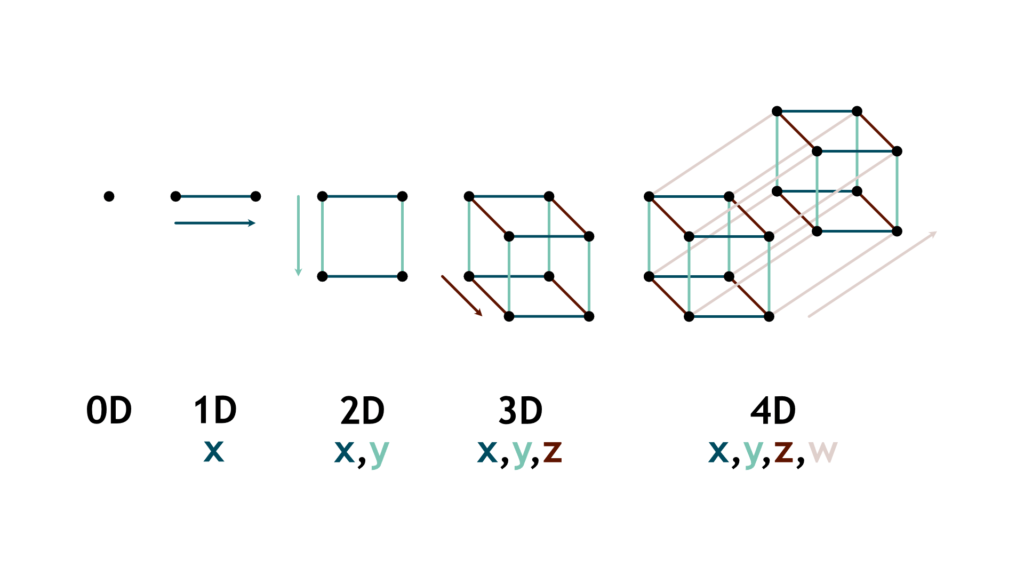
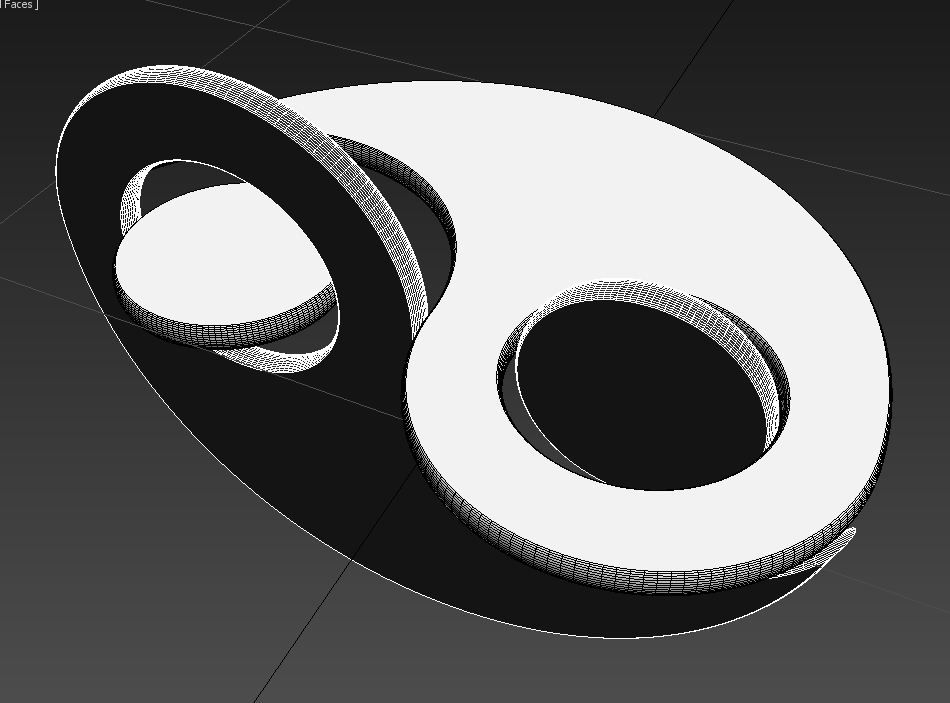
The Mystery of the Fourth Dimension; A Hyper Cube picture credit: The Maths Society

If we extrapolate this thought experiment into a 3D reality, where a 4D object nudges through the interdimensional veil, it is not difficult to understand how the Prana we breathe and feel might be touched or infused byan invisible cause from a higher dimension.

This theory neatly suggests the cause for supernatural events such as psychokinesis, poltergeists, crop circles, elementals, nature spirits…even unexplained aerial phenomena (UAP’s or UFO’s).  

Of course, Prana is not limited to giving the element of air a ‘life giving’ quality. Prana can be associated with air, fire (heat) water, the earth and all living fauna and flora.

When present in the natural environment, Prana is sometimes called by other names such as bio-electromagnet energy. Wilhelm Reich used the name ‘orgone’ and was able to generate and store it in ‘accumulators’ in which patients sat for healing. He also brought together arrangements of tubes outside to make ‘cloudbusters’. He could point such a device at the clouds and punch holes in them and alter the weather.

Humans have been using the healing effects of Prana for thousands of years. An acupuncture practitioner, for instance, heals sickness using an ancient system of understanding of meridian or ‘life force’ lines in the human body. Where blockages or imbalances of Prana (or Chinese Chi) are found, they are repaired using finger pressure and needles and an energetic body is restored to health.

A dowser will use rods or similar instruments to measure the presence of ‘earth energy’ (water lines) in nature or the built environment. Again, the effect is repeatable, but the explanation of what forces are being observed is incomplete for modern science. Did the ancients know experientially even if not logically? The ‘cup and ring’ marks found on rocks in many countries and particularly Kilmartin, Argyl in Scotland, have been suggested to cancel the harmful effects of distant negative earth energy spots.
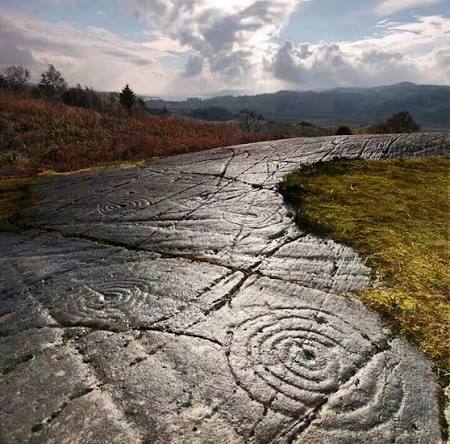
Cup and Ring marks at Achnabreck, Scotland picture credit Instagram

So, is there another field of knowledge which describes the production and use of Prana to penetrate the veil that separates the 3 and 4 dimensions?

I would argue that there is and for this we need to use the word Ether instead of Prana because I prefer to examine its effects from the view of Western Mysticism rather than the East.

The Gnostics use the word Ether to describe one of the layers of the aura surrounding the human body. It is a subtle energy like Prana that energises conscious human perception. Beyond Ether is another layer which Gnostics call the Astral plane. This is where human consciousness is when the body sleeps. We experience being in our Astral bodies as dreaming.

Some people dismiss dreams as imaginary but, in my view, it is possible to have dreams that are real. These have been called ‘lucid’ dreams because they are experienced through more than one sense and the observer can manipulate the dream. In effect, the mind has entered the fourth dimension even though it is very similar experientially to 3D. It is just that the 3D cause and effect rules do not apply. You flick a light switch and nothing happens.
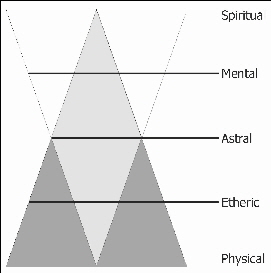
picture credit: Land and Spirit

This 4D ‘Astral Plane’, in my view, is the next step for human consciousness. Dolores Canon described this transition as moving into a ‘New Earth’ and if you are interested her life history talks can be found on You Tube. She was not a psychic but a hypnotist and writer, who asked questions and listened to patients whilst they were under deep hypnosis. Patients narrated many important insights whilst in a ‘subconscious’ state; in particular moving into a new reality which Dolores called, the ‘New Earth’.

‘New Earth’ is a benign name for a fundamental transition and brings reassurance to the fear that another dimension might be ‘out of this world’ and /or a form of madness.

Entering the New Earth is a supernatural journey which should excite those who have always felt rather ‘out of place’ in this 3D world with its unexplainable beauty and horror.

These are mental places, induced and powered by prana in the conscious and detached observer. Our choice now is to move from the present into what may well be beyond all imagination, into a present moment in another dimension.
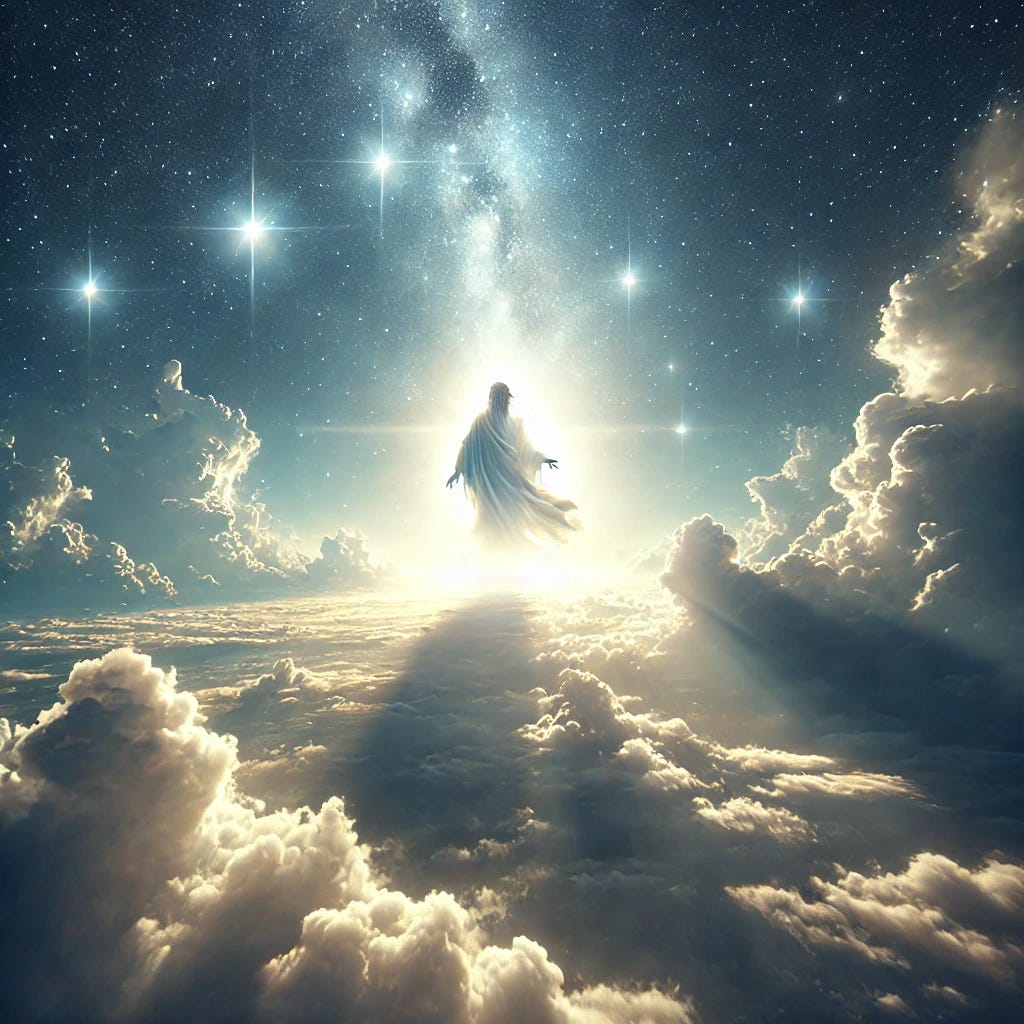
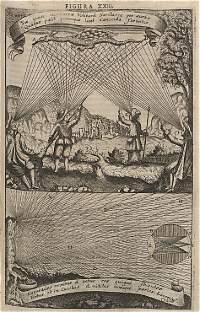
The Etheric Plane picture credit: Gods and Monsters

Cubing the Sphere

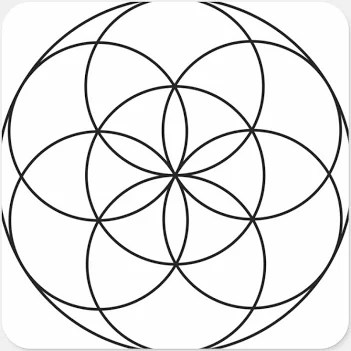
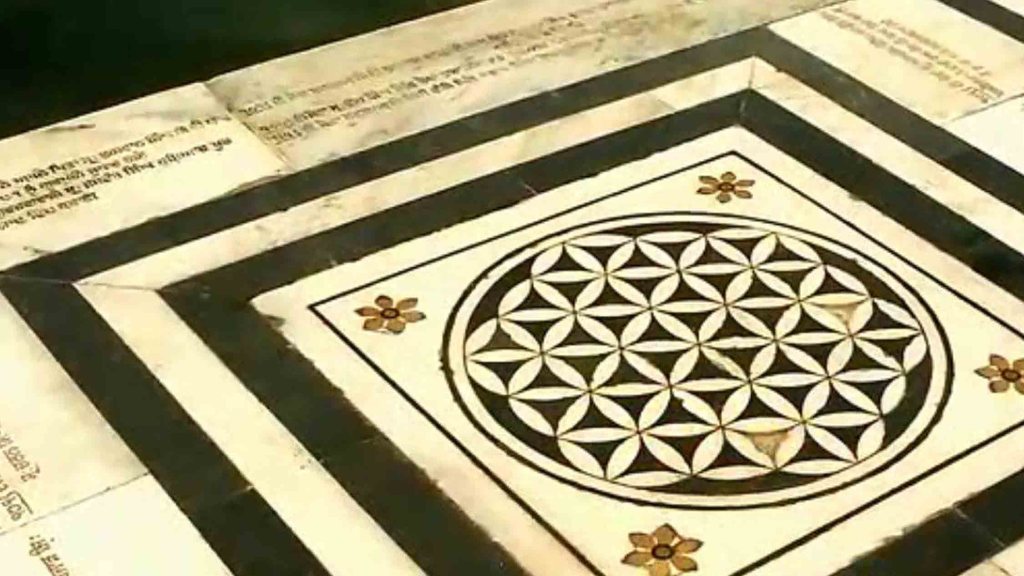
Sir Isaac Newton was intrigued by the ancient symbol known as ‘the seed of life’; six circles fitting perfectly around an identical central circle. It is found in ancient Egypt and in the art many other ancient civilisations.

The same image found in the Amritsar Temple, Punjab, India;

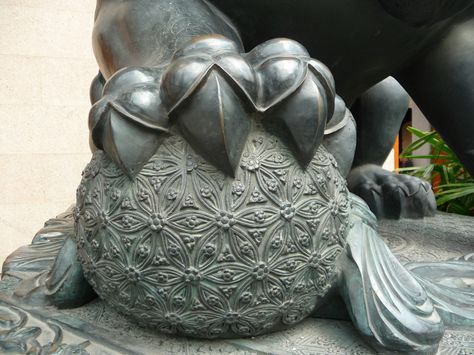
In China there are statues of Foo Dogs with one paw on a sphere showing this same symbol but in three dimensions.

This leap from a seeing in two into three dimensions was and is, an important change in human consciousness and perception for if modern man is ever to move into four dimensions, we must first become adept in three. It should not be difficult. Western art moved into ‘perspective’ during the European Renaissance, but let us first examine a similar ancient puzzle; how to circle the square for the two are linked.

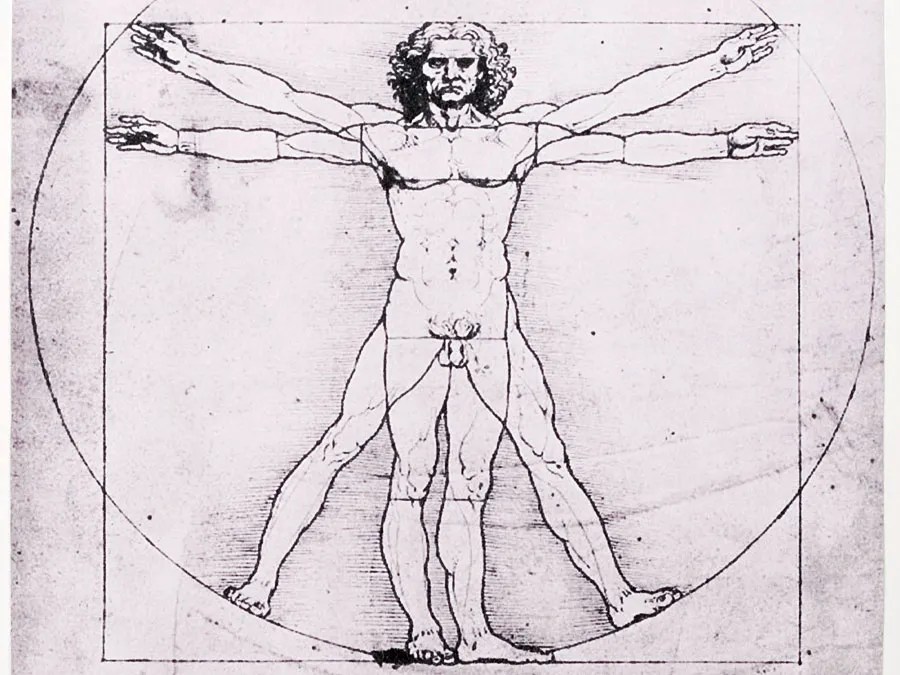
Leonardo’s famous geometric drawing of the ‘Universal Man’ was perhaps the closest answer to the geometric quandary of how to ‘circle the square’ for centuries. In three dimensions the puzzle morphs into how to fit a sphere into a cube.

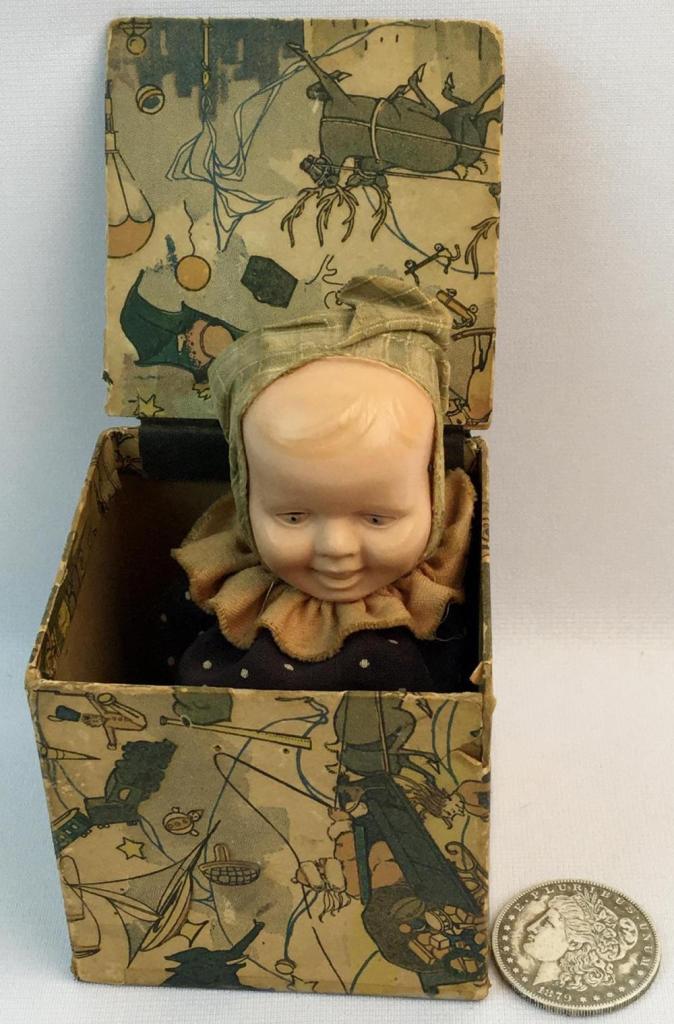
The child’s toy called the ‘Jack in a box’ is a whimsical variation on the surprise within the cube. Inside the cube is something of mystery and surprise – the same quality of a ‘joke’ or Zen Buddhist ‘Koan’.

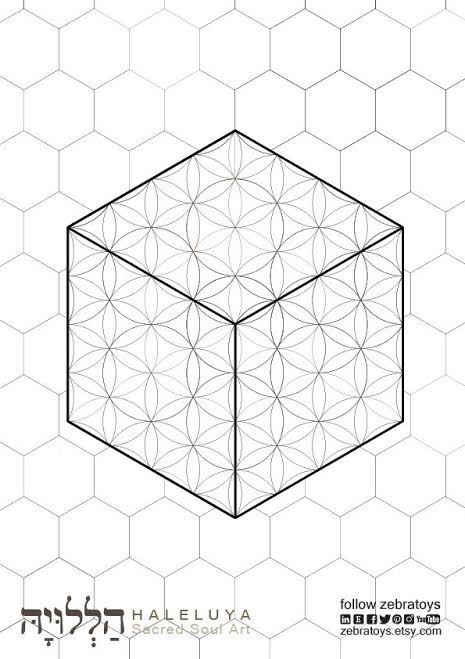
We have a hint at what may be inside the cube with the diagram of the seed of life. A cube can be drawn over the nodes to produce a cube seen in three dimensions.

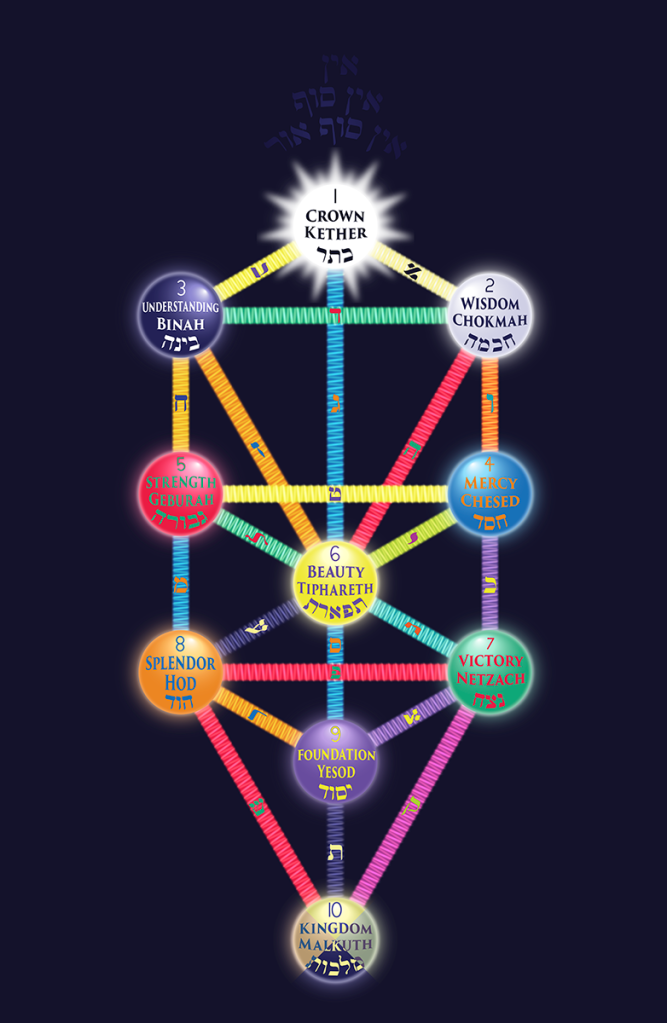
The seed repeated becomes the flower of life. This the fractal quality of the diagram replicates in an infinite number of scales. The flower of life becomes the tree of life and this metaphor mirrors natures widespread use of fractal geometry.

The tree of life is a common concept throughout ancient history from the Sumerians tending trees with pinecones in gardens to the Hasidic symbolic Tree of Life.

There is always a pattern of straight lines which cross at energetically important nodes.

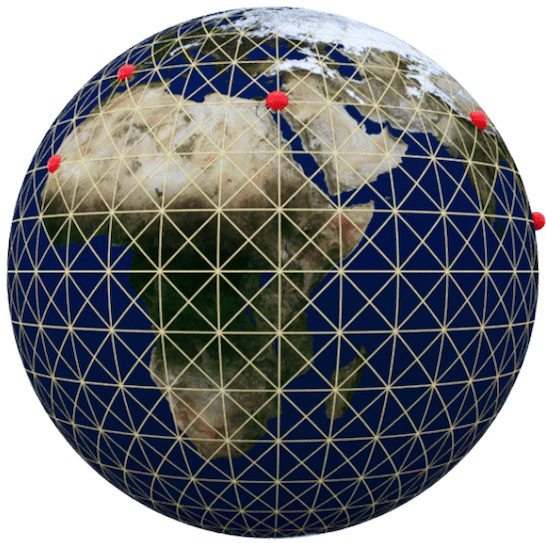
Today this idea is extrapolated to extend a geodetic grid around planet Earth. The very word ‘geometry’ means measuring the earth, something which the ancient civilisations were good at. Indeed, there are astounding coincidences of global sacred sites corresponding with the nodes.

The best known of these sites are the pyramids on the Giza plateau shown above as the central red dot. The principal pyramid attributed to the Pharoah Kufu, has a square base which is precisely to a scale of 1: 43,200 of the diameter of the Earth at the equator. Not only this but the pyramids height is similarly to the same scale of one radius of the earth from its centre. Because of this one pyramid pointing up and another pointing down with their bases aligned would fit within minor tolerances, the oblate sphere which is the planet Earth.

Were the builders of this pyramid were highlighting a geometric truth for future, generations?

These ancient architects had circled the square and in the same stroke, put a sphere around a flat square. They had projected two-dimensional theory into a third dimension. I believe this was the true message showing how trans-dimensional projection can be conceived and achieved. The challenge for our age, is to discover the fourth dimension and beyond.

Curiously the pyramid that is depicted on the dollar bill (inspired by the masonic founding fathers) has at its apex, an illuminated eye. We know that an eyeball is designed to receive light. It is a sphere optically able to project an image onto the retina and directly to the brain. This is what the philosophers would perceive as matter being filled with light and by extension, Divine light or as we say ‘enlightenment’. The Ancient Greeks such as Plato and Empedocles believed the human eye to project light as well as receive, an idea known as the extramission theory. We have all felt the gaze of a person situated out of our sight or gazed at the night sky with feeling.

There is also the existence of the ‘third eye’ or pineal gland, so called because of its similar shape to a pinecone. This is said to give a clairvoyant perception into other dimensions.

A vital stage of enlightenment is described in gnostic literature as ‘the bridal chamber’ and this is a metaphor that is not at first obvious. But it becomes so when considering the step from dualistic thought to scalar conception. Without the Hermetic principle of gender, male and female merge to become one – as in the ‘bridal chamber’.

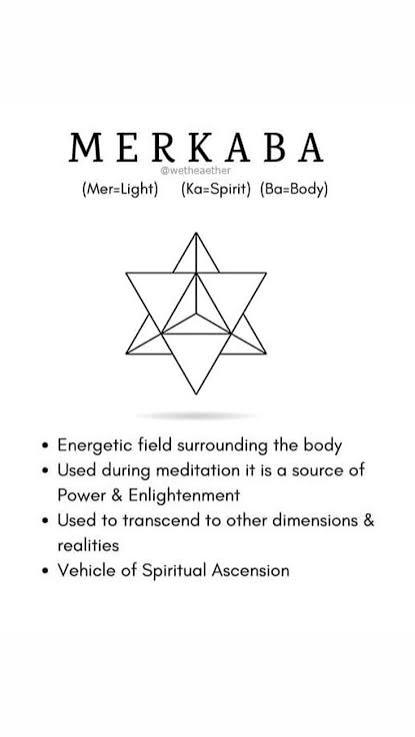
To refer to the upright and inverted pyramids of Euclidian geometry, the former represents the male and the latter female. When they are overlaid, as in the chamber of the bridegroom and bride, there is Divine Union in the geometric form of the Mercaba.

One of the most profound ways that this truth is presented to us today as the union of the two hemispheres of the human brain to produce a fully functioning mind. The modern depiction of the brain shows synaptic gaps connecting neurons in a fractal design within an organic sphere; the skull. This is stunningly similar to the ball held in place by the ancient Chinese Foo dogs.

The Theatre of the Imagination

T- H- E -A- T- R- E    =    E- A – R- T- H

We have probably all heard the idea that planet Earth is a place where souls are sent to learn. Most, if not all, take the challenge very seriously. So much so that we do not see the scenery move, the scurrying off stage, the forgetting of lines and the disappearance of properties. Some are even oblivious to the booming commands of the Director.

We innocent players in our own stories, take everything to be real and should be forgiven for that because it is, a very good show.

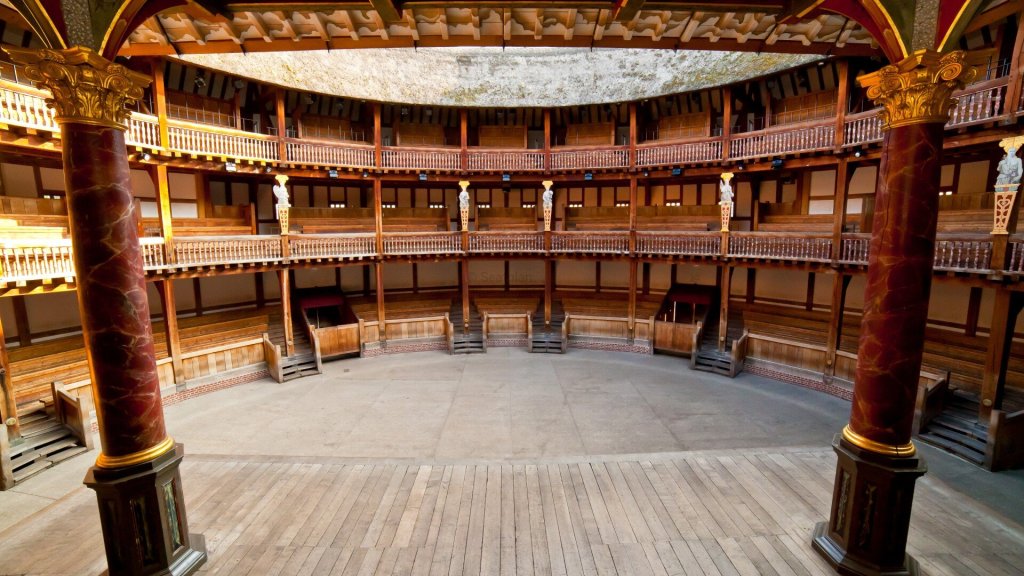
The appropriately named Shakespearean Globe Theatre reconstruction in London. picture credit: arrowheadsabroad.com

“All the world is a stage and all the men and women merely players. They have their exits and their entrances and one man in his time plays many parts.”

William Shakespeare                              ‘As You Like It’

Okay, so we know this quotation. But do we really? In 1599 when this play was probably written, women did not go on the stage in England, not until much later. So why does Shakespeare include women in this metaphor? The simple answer is that he cannot exclude them. Practical reality means he must write them into the script because they exist; even if not on his stage. It’s a weakness in his metaphor; more obvious in it’s day than now.

However, it’s a good metaphor and illustrates the subject of this essay well.

Shakespeare (if he existed) was like many Elizabethan poets and magicians, a master of the imagination as well as expression. Indeed, the line between what is real and not real in his day was much subject to debate.

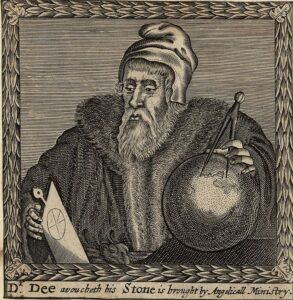
John Dee favourite of Queen Elizabeth. Court Mathematician or Jester? I

Magic is no more than the distortion of what we perceive as ‘reality’  revealed unquestionably as ‘unreality’.

But suppose that everything you can possibly think and feel is one part of one great illusion?

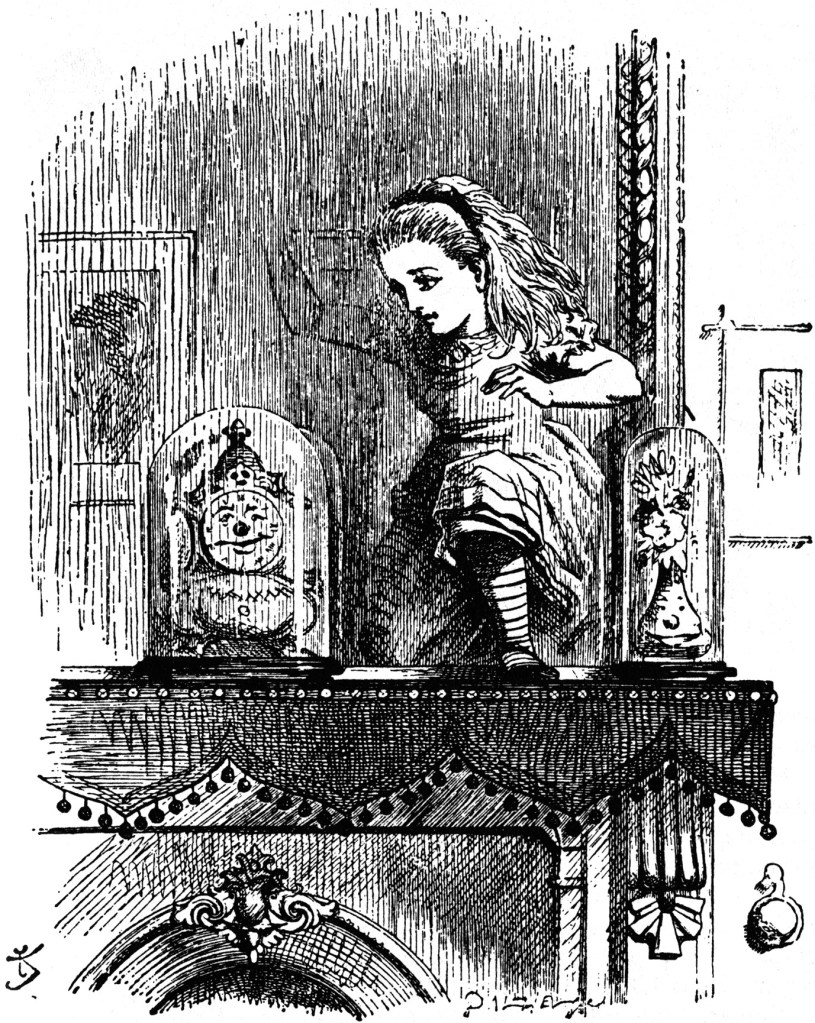
In ‘Alice Through the Looking Glass’ Lewis Carroll takes Alice ‘behind the scenes’ into a reversed and parallel universe. He is playing on the idea that what we imagine is what we see…a philosophy known as ‘Idealism’. Alice enters a theatre of the absurd with great comic effect by stretching the boundaries between reality and illusion.

Greatest enthusiasts for this attitude are young children. They spend their early years in this ‘strange’ world where simple objects become something else. A soft toy such as a Teddy Bear becomes a much-loved companion capable of conversation and comfort at any time of day or night. As a boy I used to move marbles around the living room in massed lines to represent units on a battlefield. The lessons in strategic thinking were real, even though the participants in this search for glory and honour, were made of glass.

Adults may tut at this odd display of credulousness, but what if children are closer to reality than they appear to be?

What if it is adults who are playing in a play?

The human mind is like soft earth rather than rock, ideal for recording and making sense of experience. Perhaps we are like the clay from which God made us. We are made in two parts; one conscious and one sub-conscious. Each of these in turn has the quality of being either dark or light.

We learn a language to describe our experience of ‘being alive’ and fortunately our experience is like others. But what if this is only because we have all stepped into the same imagined reality?

We know that our perception governs much of what we think and feel because each of us describes what we see in a slightly different way. When police record sworn statements from witnesses to a crime, it is remarkable that each describes subtle and even glaring differences in the account of what they saw.

It is as if we have all been programmed differently by our unique experience of ‘the world’. And if we strip ‘the world’ down to its essential features it becomes clear that we use some weird ‘applications’ to deconstruct our experiences.

In music there is a thing called a ‘mind worm’. This is an apt metaphor that most people understand and experience as a series of notes in a rhythmic order (a tune) that they have heard several times and can no longer ‘switch them off’.

There is usually an emotional connection to such a worm in our heads whether musical or otherwise. When we play or ‘act out’ the programme which contains this experience, we obtain a feeling of great pleasure.

For example, the simple experience of going to a cinema, plays through a persons mind a description of the world which excites the audience; whether as horror or beauty or other device of the creators of that film.

Persons who have just sat through a film often emerge from the cinema, into ‘reality’ whilst still imagining themselves as one of the characters in the film. Children are particularly susceptible to this phenomenon and long may it be so for imagination is a safe and enjoyable way to explore an otherwise mysterious and sometimes terrifying Universe.

Adults might consider it their role to bring the imagination of their child ‘down to EARTH’ through scolding their child, but I am suggesting here that children may have got it right. In the twenty-four hours of an adult’s day, much of it may also be without any substance; as is said, ‘a daydream’.

The advertising industry knows this well when it projects a thirty second ‘mind worm’ into the heads of the audience about the desirable qualities of some drink or car or holiday. The advertisers spend money on this process because they know without doubt that their ‘worm’ will bore its way into people’s minds. Such waking dreamers will reach out for a packet of ‘new’ soap powder on the supermarket shelf prompted by their subconscious association between the product and sparkling clean, perfectly ironed laundry.

This is the great theatre in which we act the seven stages of our lives that Shakespeare poetically describes in the rest of this speech.

We might feel that your mind is in control of your life because we do not want to believe it is all fake, a tissue of lies that we have told ourselves since we started the decoding process of biased perception as a baby.

Yes, it’s fun, but these scenes in our lives are but shadows and reflections interpreted by a poorly programmed dreamer in the grip of believing it is not merely playing at being alive.