Let Me In – part one

Governments have to identify goals which are desired by their supporters and decide the means by which these goals can be achieved.

This simple statement makes sense, until the details and the means are examined in depth. Specifically, the means may not either be effective, or worse, they bring about unintended consequences which may cause harm.

An example of this is happening in the United Kingdom right now over the issue of immigration.

Voters in the Brexit referendum of 2014 had many concerns and one was a perception (stoked up by the media over inadequate public services and poor town planning rather than economists) that immigration into the UK was a problem. Brexit was posited as a means to ‘take control of our borders’. Unfortunately the ‘problem’ was incorrectly perceived in my view and I will explain why.

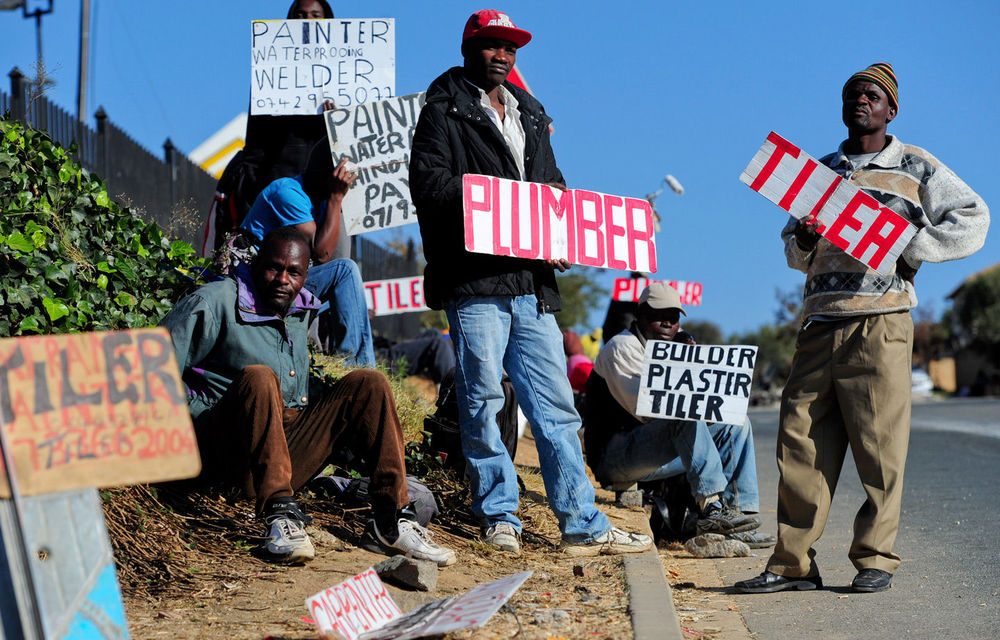
Economist promote immigration as it promotes growth and prosperity. The Tory governments of the last decades have known this and Home Secretaries such as Teresa May, did little to control immigration. Why would you when you need foreign workers? But after Brexit voted against the free movement of people within the European Union, unemployment in the UK now stands at 1.3 million.

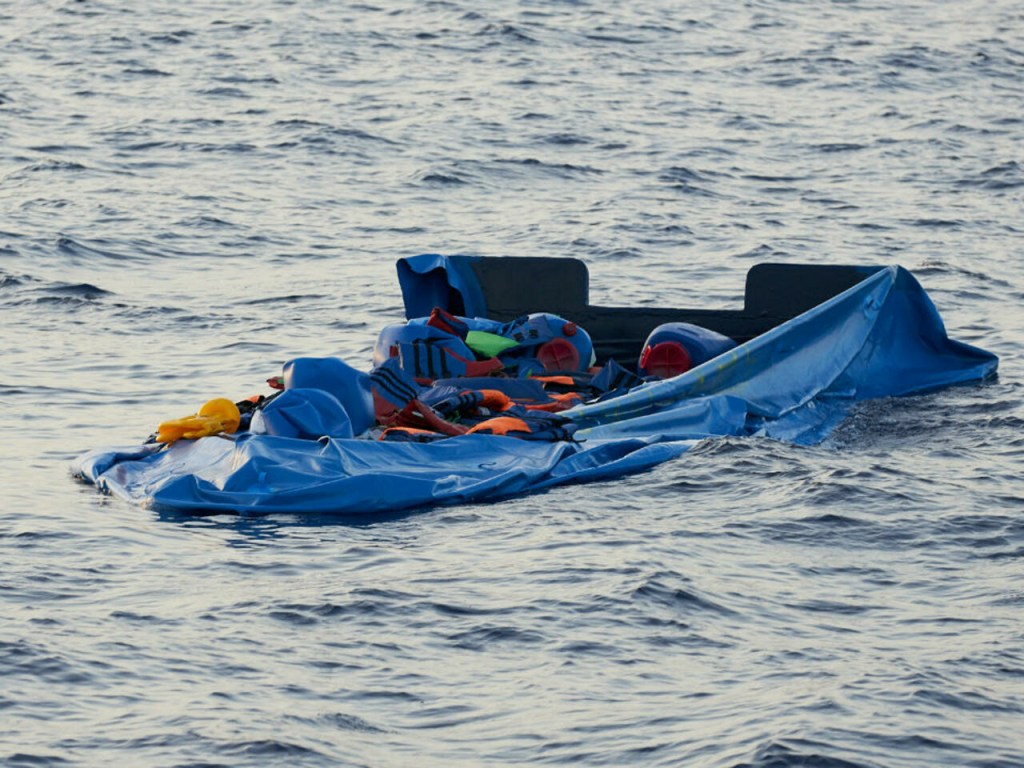
picture credit; I Volunteer International

The present argument by the Johnson government, is that the ‘problem of immigration’ is the number of people who die on inadequate boats whilst trying to cross the English Channel. This emotive argument correctly demonises the illegal traffickers but fails to approach the problem from a strategic perspective. If they used safe boats would that be okay? Is this a sea worthyness of boats problem?

The absurdly narrow focus on what the problem is and how to solve it, only satisfies voters who are content with a simplistic problem / solution statement. To gain a full grasp of the problem, I shall outline as best I can, the breadth of the issue of mass movements of people into the UK and how improved ‘control’ of the borders of the UK could be achieved.

Firstly, there are five types of emigrants;

  1. Those escaping hardship in their own countries through famine, war, climate change through no fault of their own.
  2. Skilled and unskilled economic emigrants who are seeking work and higher remuneration.
  3. Political emigrants who are escaping persecution by their own government because of their political views and acts and seek political asylum.
  4. Emigrants who are seeking to be re-united with their families; a group that includes children travelling alone.
  5. Those outside of the law in any country involved in subversive and or illegal activities, either in the interests of their own government or for criminal motives.

For each of these groups, there has to be a specific solution to their desire to emigrate to another country to live and work. But before I examine these, there is one further beneficial general approach.

The conditions in countries which people are seeking to leave own a large part of the problem. You might expect diplomats from countries likely to become unwilling hosts to emigrants to spend a large part of their time and resources in working on this problem with other governments. I personally suggest this should include processing asylum claims in local embassies (excepting when appropriate, political emigrants) and issuing temporary visas on ’emergency passports’ to enable safe travel using conventional means. Buying a 50 euro airline ticket instead of paying people traffickers, is no financial burden on the UK government and puts illegality out of business. It is certainly less than chartering an aircraft for 500,000 pounds to take the unwilling to Rwanda, but who am I to point this out?

But let us assume that all the targeted aid and supportive diplomatic steps have been taken and people are still desperate to leave their own countries. What interventions are available and appropriate for each of the five types identified above?

Group 1. Escaping hardship;

  • In the short to medium term, build refugee camps.
  • Identify suitable locations for these and provide appropriate support.
  • Have international protocols and means in place to be ready for the next global catastrophe, through non-political global organisations that are trusted by those seeking help.

Group 2. Economic migrants;

  • Maintain physical border controls so that border crossings can be managed and legal crossings enabled.
  • Put in place means to screen those with and without documents to confirm identity, purpose, ability for self support and seek work opportunities or evidence offers of employment.

Group 3. Political emigrants;

  • These should be identified by host countries only, as they will not wish to be intercepted by the countries they leave.
  • They may be oblidged to cross borders by illegal means in order to remain safe.

This group is likely to be used by group 5 (criminals) so particularly high security measures and screening methods will have to be used by potential hosting countries.

Group 4. Seeking family re-union;

  • Set rules for family members to be able re-unite after non-self imposed trauma legally and permanently.
  • Have facilities and protocols in place to process unaccompanied children.

This group would benefit from being able to apply for a visa and /or residency before leaving their own country.

Group 5. Criminals; This is the group that makes it necessary to have strict controls on all the rest.

  • They need to be identified at the earliest opportunity and dealt with according to international law and extradition agreements, much of which may need revue and extending in scope to fit the present movement towards a ‘global community’ rather than nationalist self interest.

You can appreciate that these principles apply to most emigration and immigration, and examples abound in today’s current affairs. To keep this essay focused I shall use just the example of immigration into the UK and the policy that the government believes will stop people crossing the English Channel in unsuitable craft.

My first point is a fault in the government’s argument. They state that the aim is to stop people drowning in the English Channel. Clearly no person is going to be against this. However their method is to deter people getting into unsafe boats and how strong a deterrent this is going to be, is unproven. The counter argument suggests the policy is ineffective and costly, at which point government ministers will accuse those against the policy of being ‘in favour of allowing people to drown in the English Channel’.

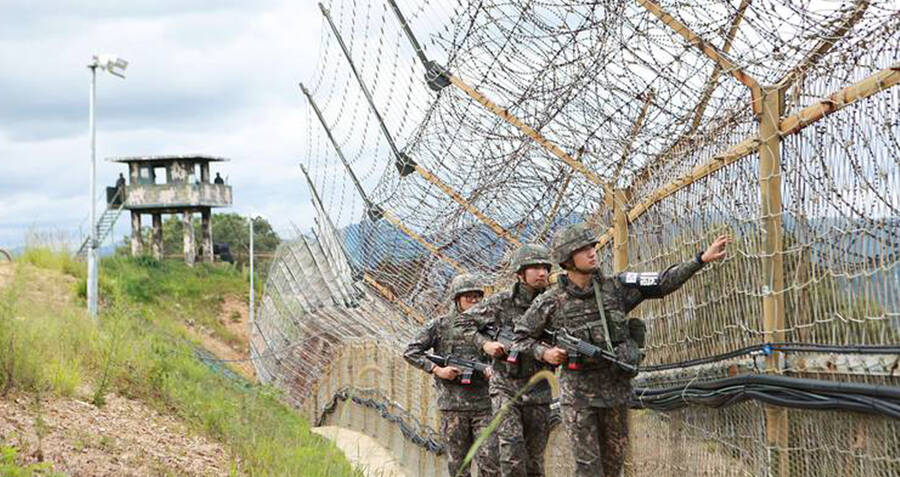
Unfortunately this extremely poor level of debate and problem solving has been carried over from the Brexit referendum in 2014. The focus of the ‘benefits’ of Brexit was on immigration, stating a desire to reduce numbers entering the UK. Not surprisingly, by being no longer a part of Europe the interests of the Mayor of Calais became no longer aligned with the UK. The solution for the French to the problems around refugee camps in Calais, was to do as little as possible to stop migrants leaving for the UK. For this reason they expressed no interest in accepting UK money for extra police and border controls on French territory. Such measures are popular with voters but are again ineffective. Emigrants who have already made long journeys are expert at avoiding detection. Effective ‘strong borders’, require measures in place similar to those between North and South Korea and it is unreasonable for Calais to accept machine gun posts, razor wire and mine fields along it’s beaches.

picture credit; All That is Interesting

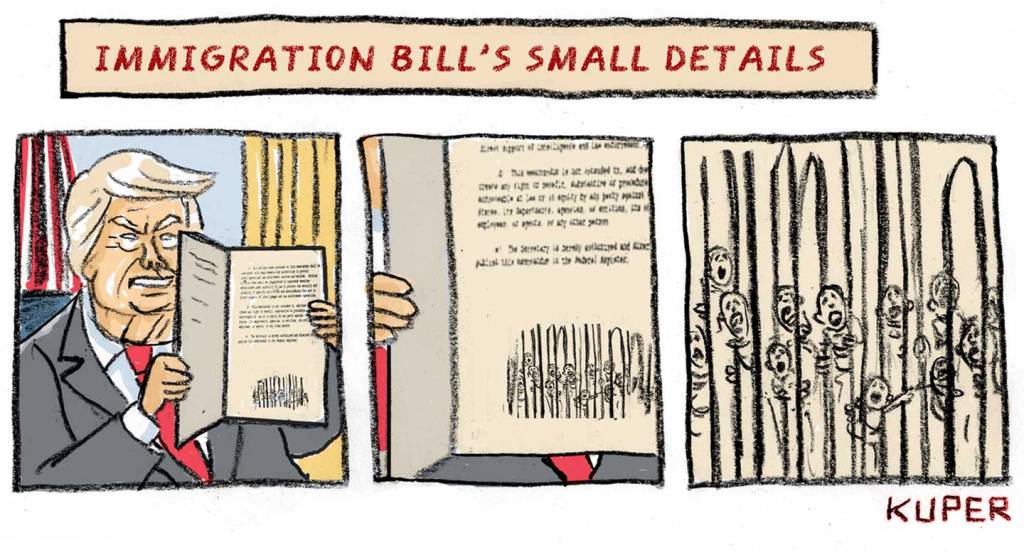
So after the UK government has stopped accusing France of being ‘uncooperative’ rather than understanding the points about motive and means just made, the brutal ‘one size fits all’, send-emigrants-to-Rwanda solution is put in place. The British public – who have traditionally been internationally respected for being fair minded – are expected to accept that denying the human rights of desperate men, women and children will deter others from entering the UK illegally.

On the first day that this policy started the plane carrying eight emigrants, was grounded by the European Court of Human Rights and 440 people crossed the English Channel successfully in the other direction. Even after a year of this policy in operation – is it really likely that there will be fewer people crossing the English Channel in boats and if so how many fewer? Is denying human rights as a deterrent really acceptable?

In my view the government’s problem solving ability would hardly be accepted in a school debating society.

to be continued

Democracy by Numbers

There is a system of ‘painting by numbers’ for novice painters which gives great looking results using very basic skills. A picture created by a professional is divided into sections of say, seven different hues and tones. Each is given a number between one and seven and all the novice painter has to do is fill in each section of the canvas with the appropriate colour or hue.

The majority of the world is now governed by autocratic leaders. In the previous decades of the twentieth century this was not the case but recently the tipping point was passed and autocrats now ‘rule the world’ – or do they?

You see, what I am doing here is making an error of thinking committed by ‘democratic thinkers’, whereby there there are only two possibilities – most or least. What is the ‘most’ or majority, becomes the ‘status quo’ for the oversimplified reason that ‘most people want it’.

It’s a beguiling argument because it simplifies everything into one overgeneralisation, hitting contradictory nuances and unintended consequences right between the eyes with a knock out punch.

At our peril. Because in my view we should always go one layer deeper into what a ‘majority’ is and what effects it will have on the government of a country.

To go back to a basic definition of democracy;

Control of an organization or group by the majority of its members.

So let’s see how self styled Western democracies fit this definition.

The first glaring contradiction is the rise of the super rich, super powerful entrepreneurs like Bill Gates, Elon Musk and others.

These and their lesser known ilk, now constitute one percent of the population of the world and yet, influence most of it and control at least 25% of it, directly or indirectly. Elon Musk created an electronic car when most American motor manufacturers, except Ford, were going out of business. You could also question; how comfortably does a software engineer sit in the theatre of mass vaccination?

Democracy in this 1% of world leaders, (which is what they are by any definition) does not exist. No one voted for any of them or the technologies that they pushed to the top of the mountain.

So there we have brush No.1. Paint in all the areas with the number one on your painting.

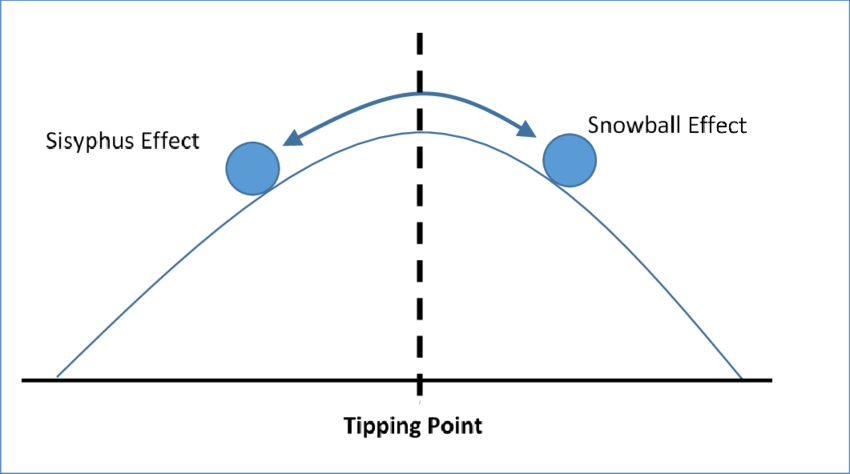
The next significant number is No. 50. This is the magic ‘tipping point’ in any democracy that defines the majority. Once you have this number of voters and ‘a few more’ then you control everything.

Or should they? Well, if we are thinking about ‘free elections’ in western democracies then these never really happen for the simple reason that a large number of people prefer not to vote. In some countries, this problem is countered by making it illegal not to vote…but this makes most liberally minded people uncomfortable… as does the idea of someone under a certain age voting. What right does a sixteen year old have to have an opinion on a country’s energy policy, a policy that is likely to affect them for the rest of their lives unlike an eighty year old who can vote but probably doesn’t have that long left to live.

Then there is the management nuance created by a 51% to 49% result. Imagine you survive a plane crash into the Pacific Ocean. You are bobbing up and down in a life raft with 8 passengers who look to you, the only member of crew to survive. They discount you as their leader as you are just a ‘trolley dolly’. Four of them argue that we should all start paddling. Four say we should stay put, so they all look to you for the casting vote. You know that whichever option you support there is going to be trouble. If everyone starts paddling there will be four who will not be putting their back into the effort. Worse still, they will begin to moan about what a waste of effort it is and how the rescuers will now not find you. The effect on moral is catastrophic. The same will happen if you follow the option to stay put and there is no sign of rescue.

If you think this is an unlikely scenario then just look at ‘Brexit’ and how the 48% to 52% vote (by those who bothered to get out of bed that morning because they thought Brexiteers would never win) has and is, panning out.

picture credit; Are We Europe

The third number on our palette is No.100. This is the colour for the 100% majority in favour. The rule in this version of democracy is that unless everyone agrees, nothing will get done. For this reason autocrats favouring the mere appearance of democracy whilst carry on as a despot, imprison the opposition (or worse) and create voters who are too frightened to vote against another ten years of tyranny.

Anyone who has lived in a family will know how this works and the misery it causes. Dad decides we are all going to the seaside, whilst Mum objects because she has an old friend to meet and Kitty wants to go on a school museum trip and Jazz wants to play in the local soccer team finals. Dad overalls and the family go to the seaside and all have a miserable time. The next day, they all go off in their individual directions and all is well.

Rarely do countries have the same interests and ideals in common which is why it is difficult for the European Union gain consensus in the 27 member countries. The only way is to ‘water down’ the proposal to such an extent that it causes no offence to anyone, but of course such vague proposals then become open to misinterpretation or biased interpretation from then on.

Most blatantly the United Nations Security Council gives the right to ‘veto’ any proposal to all of it’s seven member countries. This means that if one of them is committing war crimes somewhere outside it’s own country, it can veto any criticism and carry on.

So far I have placed three colours on the palette; 1% of unelected powerful people, 51% majority who upset the rest and the 100% who want their own way.

It would be reasonable to ask at this point ‘what does work?’, for democracy is meant to be the foundation stone of modern western civilisation.

Well, the only variation of the rules of democracy that does work in my view, is the requirement for a ‘super majority’. In this system it is recognised that the 51/49 split is unfair and becomes unworkable.

picture credit; Hype and Stuff

A super majority is therefore anything over a 60/40 or 66/34 split.

It’s subtle to understand at first but comes closer to what might be called ‘common sense’ management. If there are four in the family car heading off to the seaside, at least three are happy to be there and soon the fourth finds that perhaps it wasn’t such a bad idea after all or at least, it’s a fair deal.

If the super rich entrepreneurs and Oligarchs were compelled to pay 99% taxes, their power to influence would be taken away and their wealth fed into the poorest people in societies, creating the greatest benefit for most. Most of the super rich might well find that living off 1% of their wealth actually made them happier human beings or at least, that it was a fair deal. After all, Robin Hood was far more popular than the Sheriff of Nottingham.

If Russia is committing war crimes then the Security Council of the United Nations should have to power to act to investigate the allegations and call a cease fire or put in UN troops until the heat of battle dies down, and common sense prevails. Five to Two in favour is a reasonable super majority; get over it Russia and (abstaining) China.

To return to the ‘painting by numbers’ analogy, we can see that one coat of one hue paint is simple, but creates no work of art. Once the notion of ‘government by the people’ is broken down to examine the question ‘how’, several hues of interpretation present themselves. We must be bold because in calling everything ‘democratic’ we are committing the sin of over-simplifying.

Yes, they are all democratic but the devil is in the ‘how’ you create your democracy. You will need nuanced thinking to make things work whether on the small family scale or at a national level. The more colours in your painting the more it’s going to be a master piece and less like an amateur filling in spaces.

How to Rule the World

To everything there is an overview and to help understand the drama being played out in Ukraine at the moment, read on.

Tomas Schuman is an Soviet-era agent and has spilled the beans on the Soviet strategy to undermine the West.

He says there are four stages, extended over several decades;

picture credit: The Lancet

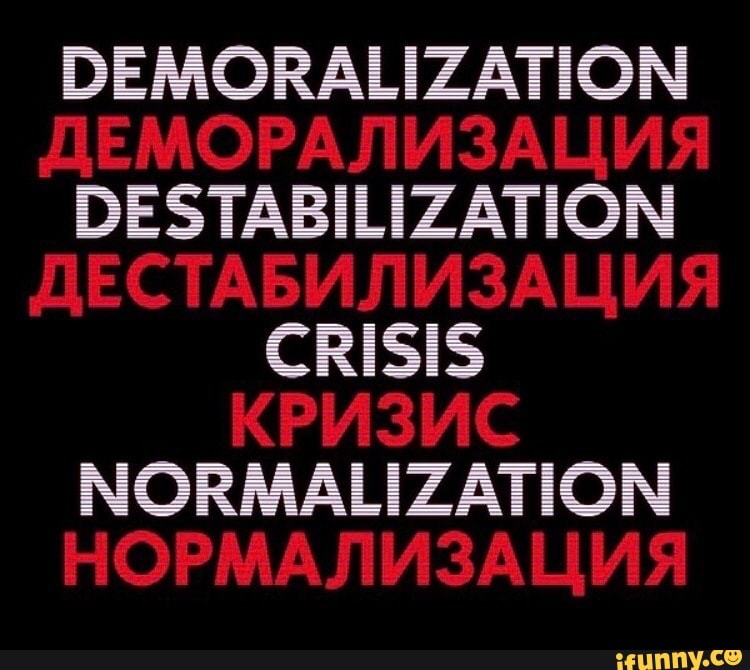
Stage 1: Demoralisation

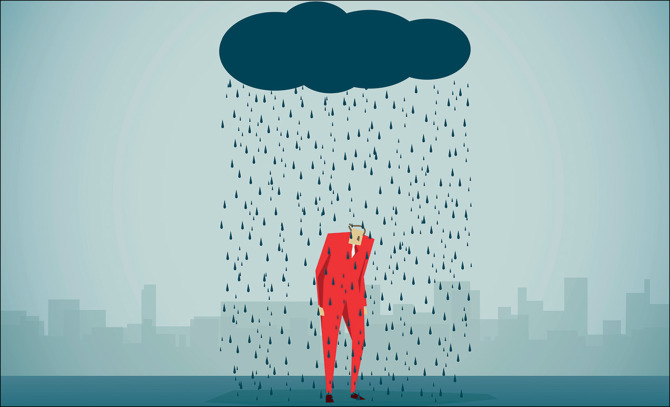
This takes at least one generation, maybe 15 to 20 years. During this time various completely fake replacements take over established religion, education, law and order and social life in general.

These institutions are replaced with un-elected ‘influencers’ such as the media, secret societies, wealthy individuals and clandestine branches of government.

Labour relations are undermined by taking away the power of trade unions.

Stage 2: Destabilisation

This process is aimed at institutions. ‘Sleepers’ who have been installed in societies institutions such as local government, law, military, industry and commerce and educational hubs, are activated. They move into positions of authority through the perceived lack of law and order e.g. military coup, ‘fake’ election results, single issue protest groups lobbying government and on the streets (Black Lives Matter)(‘statue toppling’)(‘defund the police’). At the same time various antagonistic single issue parties move into power vacuums created by the effects of stage 1. (the Brexit Party in the UK).

Stage 3: Crisis

This process starts when social functions cease to work such as the effects on the free movements of goods and people within the UK and the EU. This includes the issues around the Good Friday Agreement and possibly leading to nationalist politics breaking up the United Kingdom. Poverty and homelessness (e.g. California) forces large numbers of people to seek food aid and other handouts to simply exist. Fake information is fed at an industrial scale to social media sites at carefully selected times e.g. elections and referendums. This and weak government, leads to discontent which can spiral out of control leading to the call for more authoritarian rule and a ‘strong man’ ruler such as seen in the United States when Trump was elected. The result is civil war or invasion of another country e.g. Afghanistan, Lebanon, Syria and now Ukraine.

Stage 4: Normalisation

As a pretence of solving the problems (real and fake) of the first three stages,

it is now possible to justify extreme action to ‘normalise’ society and bring ‘peace’. The tanks move in to a desired country, however ‘normal’ the citizens feel, with the aim of physically taking over the seat of government (e.g. the protesters at the Washington rally who disputed the election results or now Ukraine). Once the leaders of the former government have fled or been jailed, a new ‘puppet’ government can be installed with the aim of ‘restoring law and order’ which of course comes at the price of loss of democratic freedom and human rights.

The USSR may have imploded in on itself but the ‘vision’ of it’s leaders is still deeply ingrained in it’s institutions and leaders. Mr Putin was after all a KGB officer and would have expertise in and taken part in the above process. Transfer these four stages to ‘predator’ and ‘predated’ countries in Asia (Myanmar now in military rule) Africa (Somalia)the Far East (North Korea) the Middle East (Iran, Iraq, Yemen, Israel) in addition to Europe and the Americas and elements of this Soviet-era method of insurrection ‘government toppling’ are alarmingly aparrent.

Picture Credit: iFunny.co
KEEP CALM AND RUN

A Very Mexican Standoff

The current ‘red-herring’ sliding around the fish monger’s slab of international politics at the moment, is ‘war in Ukraine’.

picture credit: crimereads.com

Why so? Well, focus is slowly moving away from the ‘pandemic’ and Russia is seizing the moment to fill the vacuum of global politics. Moving troops from here to there and parking them in a notionally strategic position has been a war of nerves since the beginning of time. The fact that the current Russian force is roughly 120,000 troops with air support, tanks, artillery and mechanized infantry including specialised support does not mean the Russians will attack.

Ukraine has a far larger opposing Army some of which will have had recent experience of fighting in the East of the country. It also has the important advantage of being in ‘defence of the homeland’ – a double win strategically.

Russia is probably still be wiping it’s bloody nose after invading Afghanistan between 1979-89 and having to withdraw humiliated; a mistake curiously repeated in the previous twenty years by Western countries and the USA.

Russia will be aware of the domestic problems associated with fighting a war in Ukraine. When body bags start arriving back in the homeland military airfields, people and politicians become disheartened; which leads to social unrest.

President Putin is like the grinning fox in the tale of Little Red Riding Hood. He is nobody’s granny and hides his real agenda under a red cloak. So what is the fox up to?

Strategically, he wishes to rebuild the Union of Soviet Socialist Republics. The vulnerability of the Baltic States and Finland and the current moves by NATO to bolster forces in these countries, evidences a very real perceived vulnerability. In the south of Ukraine, Putin intends to encircle the southern states using the Crimea and it’s ports, and then head for Kiev. He might go around the Chernobyl exclusion zone or straight through it. It will not affect his mobile troops whose vehicles are protected from high dose radiation.

But in my view he does not need to do any of this. The implied threat is enough to rattle the Ukraine politician’s cages and create division amongst it’s allies. At some point he will move in a pro-Russian Ukrainian leader and the country will be in his control without a drop of Russian blood staining the Dnieper River.

No, using the distraction techniques of a deceiver, Putin is hiding his real intentions. In a grand way, Russia whips up fear in it’s citizens concerning the spreading presence of NATO in Eastern Europe. Strategically he is right to do so, for everything that NATO does to creep into countries sharing borders with Russia, arms Russia with this accusation. Even if such a country is pleading to join NATO, this is not a reason for NATO to accede to the request. It is wiser to maintain ‘buffer’ states that are neutral to both sides. ‘No-man’s land’ may not make a country feel particularly safe, but strategically it is less likely to become a place for battle.

If NATO agrees to expand for no better reason than being asked, it plays into the Russian politician’s political argument that it feels threatened.

Bear in mind that a wise general will be ‘pre-emptive’ just as will a street fighter in a back alley. Hit before you are hit, particularly if tactical nuclear weapons are in the mix, is a sound strategy because it gives the element of surprise to the attacker whilst giving the attacker the ability to describe the action as ‘defence’.

We know that ‘attack’ is the best form of defence from watching sports on TV. In the heat of war, who is defending and who is attacking becomes blurred. This means who is ‘at fault for starting it’, will be unclear.

So NATO’s growth towards the East into countries previously part of the Soviet Union or USSR, needs very sensitive consideration. Moscow argues that Russian speaking populations have a right to it s protection. English speaking countries, such as the Falkland Islands, do the same.

NATO is astonishingly powerful, especially with the mighty presence of the USA over it s shoulders. It is probably the most militarily powerful country in the world, even on it’s own. The NATO alliance has created peace through strength since the second world war and needs to keep it that way because not only Russia is rattled.

China is too, not least because of the powerful US naval presence in the South China sea.

Enter the Mexican Standoff. Three notional adversaries; three fingers on triggers. The triggers have become increasingly light to the touch with the appearance of powerful artificial intelligently controlled land, sea and air craft of all descriptions. No more dead soldiers and sailors for the folks to see at home; just heaped up robots.

A three sided standoff is presently occurring between NATO, Russia and China; forget Ukraine and terrorism and whatever other threat, for they are real but lesser evils.

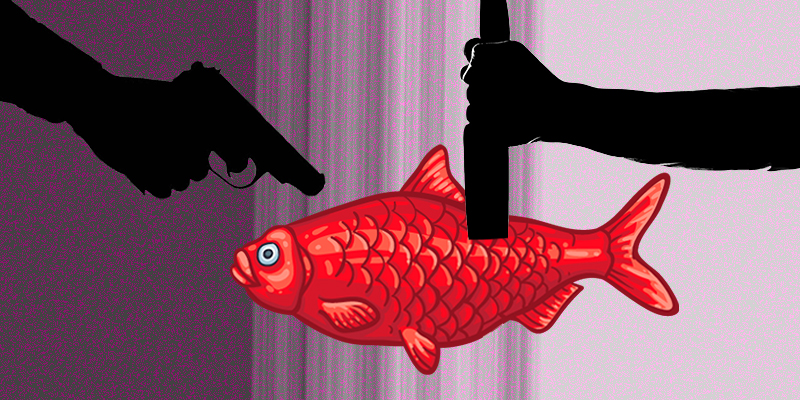
Look down the barrel of the gun you are holding as two equally skilled marksmen look down theirs at you. You pause. If you drop your aim or so much as blink, you will be shot dead from two directions. If you shoot first, that might be the last thing you do. As you shoot one of your adversaries, the bullet from the third has already passed through your heart and embedded itself in the wall behind you.

A Mexican standoff breaks when one side becomes weaker than the other two. Then it is two onto one, although your next fight is with the second strongest, not the weakest.

Skilled fighters need to assess their opponents accurately and win the fight by patience not pride. Two Samurai in ancient Japan might face each other for minutes even hours, before replacing their swords, bowing and walking away. A fight is not worth starting if you are not going to win.

Armies deploy in the same way. At present, Russia and China are glancing at each other and moving, imperceptibly, closer together. That’s the movement that the false Ukraine ‘threat’ is hiding.

But in world politics, something else is happening. The Winter Olympics 2020 is all flags, bunting and lateral flow tests in Beijing. Traditionally a political truce is called for all participating countries. That’s what the five rings intertwined represent.

‘Please leave your armour and swords at the entrance to the stadium, proud warriors from all Greek city states.’

But most Western leaders have refused to attend for reasons that are not hard to find but should they not respect for the International Olympic Committee’s decision, and override your politics? Why was China ever permitted to bid for the Olympics if human rights is an glaring issue for so many?

One world leader had no trouble making the decision to attend; Vladimir Putin. Red carpets (and red flags) were rolled out for him as a line of black limousines slid up to the Birdsnest Stadium VIP entrance. The Olympic opening ceremony was about to begin.

Even before this moment President Putin and President Xi Jinping had already met. In a long statement they expressed their mutual intentions through cooperation as;

Russia and China stand against attempts by external forces to undermine security and stability in their common adjacent regions, intend to counter interference by outside forces in the internal affairs of sovereign countries under any pretext, oppose colour revolutions, and will increase cooperation in the aforementioned areas,”

The ‘adjacent regions’ includes Ukraine, no doubt, and interestingly the sovereignty of such regions is vowed to be mutually respected and defended. Even Putin could never honourably, invade Ukraine after such a statement. And if you are thinking that he is quite capable of lying, do not ignore the single, no-bluff. Putin could choose the ‘honourable path’ and ‘moral high ground’ because he has no intention of invading Ukraine and has nothing to lose by not doing so.

As China and Russia creep closer together the stakes in the poker game change and the facial expressions need to remain unreadable. But two guns versus one gun is dangerous for the one gun.

China and Russia versus NATO (and any countries insane enough to join NATO at this time), is one street fight nobody will ever win.

Perhaps this is the only glimmer of sunshine in a world crisis presently being ignored or unseen by Western media. If anyone shoots, all three will die, so they just continue to face each other down. But every moment focused on the ‘Ukraine Crisis’ is, in my opinion, the sight of NATO blinking and Russia and China seizing the advantage. Bang!

Don’t Bother Us

It happens sometimes, that social norms change. On the balance of probabilities, not all of these changes will be for the better. This leaves the challenging task of pinpointing the changes that are for the worse.

In pursuit of this task, I offer to the reader the common experience of telephoning a company or government department for some purpose or other. When you reach the correct recipient, you are greeted by yet another recorded message. It tells you politely that ‘you are in a queue’ and ‘we apologise for the delay due to an unusual high volume of calls’ and if it can get away with it, ‘call back later’. The caller is expected to think that he or she was in some way, adding to the problem for ringing the company at a busy time. We are expected to blindly accept the company policy of not employing enough call takers to answer the telephone in a timely manner.

You know this because there is never the message, ‘we have failed to employ sufficient people to speak to our customers and not valued you.’

Call Centre

The ebb and flow of demand is in some way is understandable. There is a phenomenon that makes shops sometimes empty and sometimes full. Anyone who has worked in a shop will have experienced this. Companies that operate public transport know that their buses and trains are insufficient to meet the demand in the rush hours and making huge loses the rest of the day. We get that, but it should never be a 24 hour excuse. Customers with any sense are going to use competitors instead, or in the case of government departments, start sending endless emails and create another problem.

My reply is that this attitude or ‘go away’, if accepted, is the ‘thin end of the wedge’. Of course phone calls can often be made again, later, but what happens when the stakes are higher?

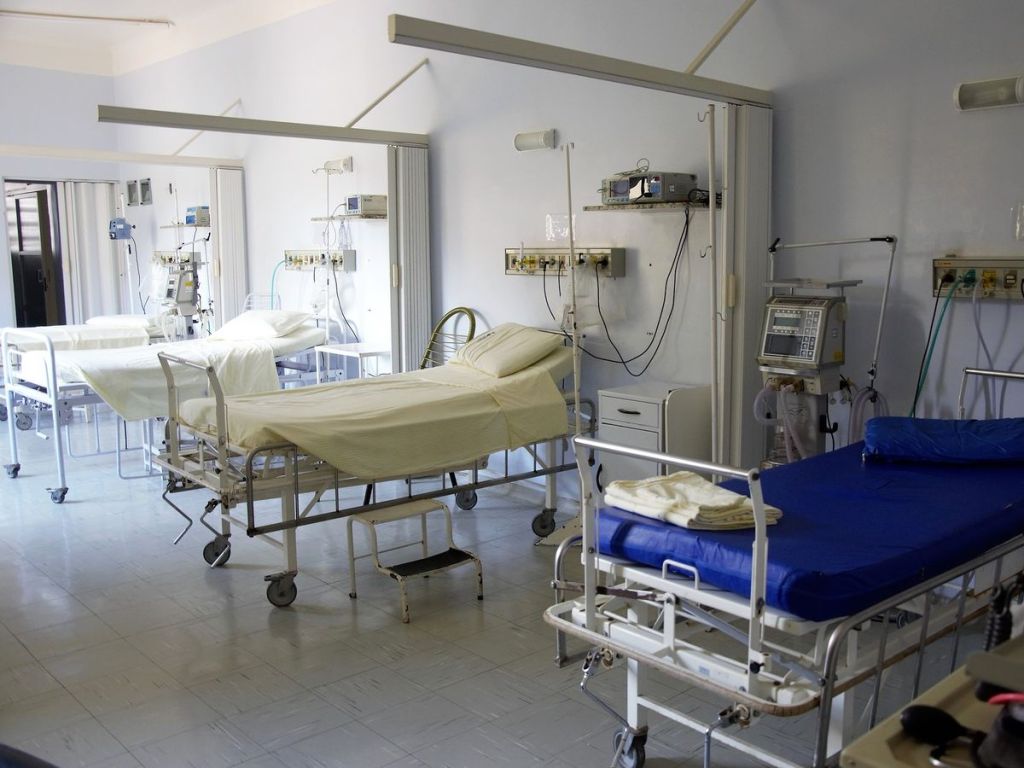
One current example is the manner countries are operating their hospitals during the Covid 19 pandemic. Because of the fear of the hospital not being able to deal with a sudden high demand from patients with Covid symptoms, the solution is to empty the hospitals of other patients and any newcomers; refuse to give them beds. The system of ‘triage’ (treatment according to immediacy of need) is dropped. Cancer patients are sent home and those awaiting urgent operations are told to seek private treatment (certainly in the UK at least).

Picture Credit; Wales Online ‘Patients waiting up to 13 hours for a bed’.

Suddenly the health service’s problem of not having enough hospitals, beds and staff for national emergencies such as wars, famines, plagues, epidemics, pandemics…is not the hospital’s or anybody’s fault except the ill for being too many in number.

‘This situation is completely unprecedented,’ explains the UK government minister, in the hope that the public will accept the lie that pandemics have never happened before and are not at the top of the list of known and planned for threats to public health and social order.

Because society has already accepted the ‘don’t bother us’ reply to reasonable requests. The breaking of Hippocratic oaths by doctors and dereliction of duty and possibly criminal law by hospital managers and government ministers apparently goes unnoticed or at worst tolerated.

There may be differences around the world as to the degree of the point I am making but as a generality, the ‘don’t bother us’ excuse for poor planning and execution has become acceptable.

We should all ask ourselves; are governments guilty of watching people die for lack of or negligent plans for such events? If the current pandemic is not sufficient example to chew on, the next is indisputable.

Due to climate change, wars, famine, economic decline, inept and / or corrupt governments in the world today, there are mass migrations of people. Some are seeking a better life, some an easier life, some free hand outs, some legitimate political asylum. The problem of deciding on the motive of these people and whether to accept them as citizens is regularly discussed. In some blocks like the European Union, a policy which is acceptable to all it’s nation states is notably absent.

Historically, countries have prospered when they have had a benign policy to immigration and at times people have been encouraged to migrate and become citizens of say, Australia and the USA. But with more people on the planet than ever before, the sharing of resources is now problematic. Migration has to be controlled in an ethical manner respecting the human right to claim political asylum…but for governments the ever rising numbers of applicants has been put in the ‘difficult’ box.

Picture Credit; Channel 4 ,com

In situations of life and death like this, the ‘don’t bother us’ reply that many governments would like to and have made, becomes immoral and bordering on fascism.

The United Kingdom has experienced a large rise in illegal immigration since it left the European Union. Before, it was able to co-operate with France, it’s nearest neighbour and controller of ports, roads and railways. But since the Brexit kick in the teeth to France, the French have far less interest in being part of measures to control the dangerous crossing of the English Channel. This a 30 mile stretch of water with dangerous tides, bad weather and one of the busiest shipping lanes in the world.

People, families, have died attempting this crossing. One solution promoted by the current Home Secretary, Priti Patel, is to turn migrant boats around mid channel. You might as well erect a sign here or in the straights to Italy or Greece saying, ‘don’t bother us’.

So how is it that the UK can continue this ignorant (meaning to ignore in a base and uninformed manner) attitude and why are there no protest marches demanding taking the problem seriously? After all ‘immigration’ and ‘controlling our borders’ were two problems that swung the vote in favour of leaving the European Union.

Could it be because the citizens of Britain have become used to ‘don’t bother us’ as a reasonable reason for sending people away?

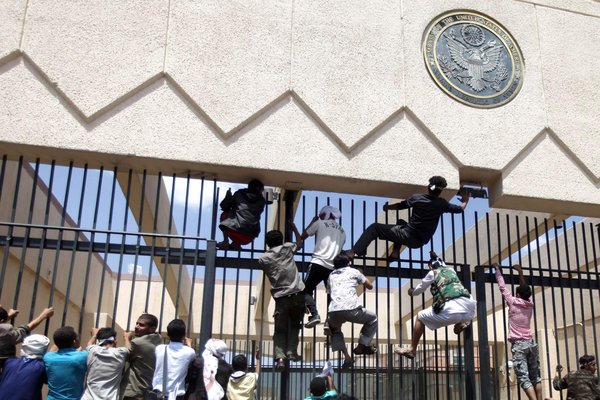
It is internationally enshrined in law, that a person must travel to a country before being able to claim political asylum. You might wish to question why when counting the washed up bodies on the beaches of Kent and Sussex. Why is it not possible to go to the British Embassy in say, the People’s Democratic Republic of Congo and make your case for UK political asylum there? No money will have passed hands to illegal traffickers, no houses will have been sold to pay the traffickers, no political confidences should have been breached creating a need to flee, and documents should be to hand. Certainly staff in any country’s local embassy, will have the best evidence to hand for proving or disproving claims. Even the creation of an ‘humanitarian visa’ for immediate travel would be a step towards respecting the basic human right to life and travel.

picture credit; DiploFoundation

Why is it not so? I recently heard on the BBC radio that the reason you cannot claim asylum in this way is because Embassy’s will be unable to cope with the demand.

This is probably true, at least in the short term. People will be rushing to capital cities and setting up camp sites in the grounds of Embassy’s of their choice. But are they wrong to do this? Are they seeking preferential treatment? No, just wishing to make a claim for international help and avoid the perilous journey at the hands of criminals to safety.

Consider how much better the recent withdrawal from Afghanistan would have been if the processing of refugees was not taking place on the tarmac of the airport under the watchful eye of the Taliban, but in a safe and timely manner in an Embassy? There might be a coffee machine instead of a Kalashnikov.

But as things stand, governments reduce the risk of their various Embassy’s being ‘overwhelmed’ by forcing refugees risk their lives and perpetuated criminal trafficking gangs and modern slavers, before their claim will be considered.

The ‘don’t bother us’ principle is used to justify the injustice of the rules of the nineteenth century being applied in the twenty first. It’s as if the universality of the internet had never happened.

The question we should all be asking is, what will be our next vital need to be refused by our government on the grounds that the system cannot cope? Is their answer something we should question or tolerate?

You Will Own Nothing and You Will Be Happy

Quotation from ;The Great Reset by 2030 – World Economic Forum

What do the bad guys usually want? From the Blofeld’s and Goldfingers of our imaginations to the Alexander the Greats and Caesars, we might think the answer is, ‘world domination’.

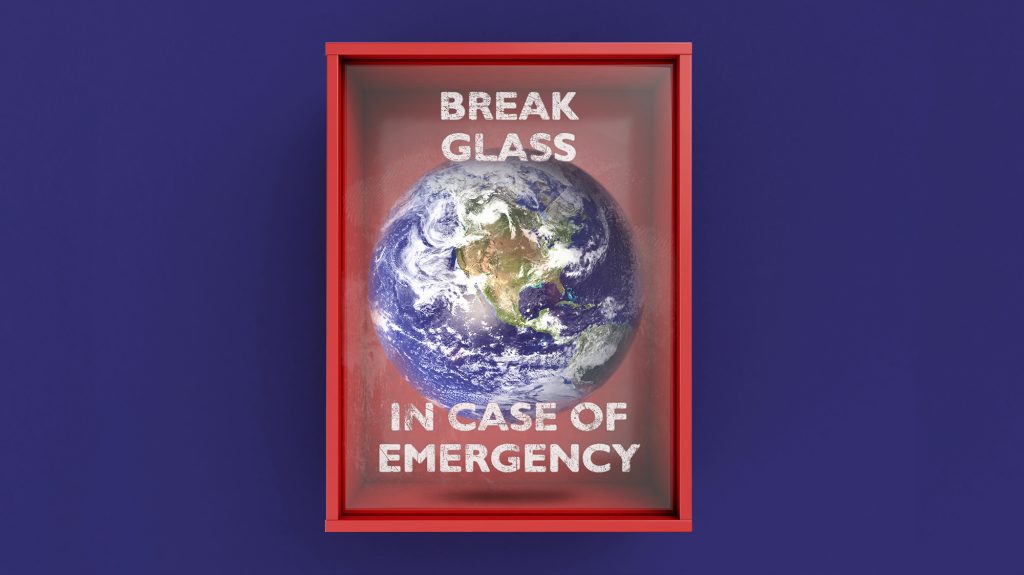
In our present era, there is indeed smoke in the air warning us of a world conflagration. The word ‘global’ is something we are accustomed to hearing; in a way that would not have been, say one hundred years ago.

Since then, we have had round the world flights and sailing navigation’s and of course two world wars. Now we are told of a global climate emergency. Global is the new National.

Sadly, for we had to wait until the sea was lapping at our toes and the wind spinning away our hats before taking responsibility – if that was achieved at the recent COP 26 in Glasgow. Those living near the sea may be wise to go out and buy aqualungs.

picture credit Bulletin of the Atomic Scientists

Concurrently we have yet another global emergency called the ‘pandemic’. This could also have been better prepared for, as humanity has been fighting virus’s for it’s entire history and has never been so well armed to respond as we are today; even if the common cold has escaped elimination.

And then there is China, and the Chinese Communist Party. When I studied China in school fifty years ago, the Chinese people went around on flocks bicycles and ‘stuff’ was made in Hong Kong. Now the Chinese are the center of the world’s commerce and principle producer of goods. This is driven by low wages, long hours ( ‘search engine ‘ the numbers 669) and economical (though global climate harming ) global traffic and trade. Most Pacific rim nations view the highly capable Chinese military as their principle threat and many human rights organisations lay numerous allegations of inhumanity, at the door of the Chinese leaders.

First Chinese bicycles. Historical artwork of people riding bicycles in Shanghai, China, in 1900. Taken from: Histoire de la Locomation Terrestre, published in Paris in 1936. Credit Science Photo Library

Is all this global Covid, Climate and China just chance or should we be suspecting ‘foul play’ on a scale never conceived of before?

If humanity feels it is being forced into a corner with basic freedoms being taken away, why is this and who is doing it?

In my view the ‘giant at the top of the bean stalk’ is technology. No one ever voted for new technology. A few scientists have had second thoughts on realising how destructive their discoveries are e.g. the A-bomb…but most inventions, like the washing machine, set us free.

For the freedom loving democracies, life, in my view, is about to become a whole lot less free. To understand the means to this end one must only look at China and how it uses technology to control in fine detail, the lives of it’s citizens. CCTV cameras produce images with names and numbers floating above each face in the supermarket or airport concourse. Money as cash has long gone as it cannot be traced. Instead citizens wave their phones at tills in shops and the transaction goes straight to CCP headquarters…just in case they might need it.

picture credit : My London

By the time it reaches Europe and the USA I predict mobile phones will enable our governments to more or less monitor and control our lives. Everything you are and do will go to a special sealed circuit board in your phone. It will be called your ‘Freedom Pass’. Sounds okay doesn’t it, but read on. Interestingly Elon Musk has other plans to insert this techology directly into your brain, something that may be used instead of or as well as mobile phones. Both will of course be presented as benefits to the individual.

‘Everything you are’ means your personal details and bio metrics, consumer profile, money and possessions, travel, education, health and politics.

‘Everything you do’ means your work and leisure, credit and tax records, work skills and placement, travel credits, health status, voting credits.

The first of these should not surprise us as this is what computers do and have been doing since the 1990’s. What we haven’t reached yet is the experience of having our money and assets frozen because we voted for the wrong party ( oh yes, you will use your phone to vote ) or our self drive car restricted to no further than a five mile radius, (known as a withdrawal of travel credits ) because we put up a post on social media criticising the government.

Cleverly your ‘Freedom Pass’ will measure your ‘credits’ not take your ‘freedom’ away. It will just take credits that you were awarded for following government protocols, away. Your fault, not the governments.

If this future shocks and horrors you then there is an alternative, but be warned, it is not for the faint-hearted.

picture credit Maribyrnong City Council

The alternative is to throw your mobile phone into a lake. Some of us lived before mobile phones and before domestic computers and I can assure you, life was fine and dandy. Birds sang, beaches were clean and people made love not war.

If you fancy this lifestyle today it is probably because you are spiritual. I mean by this that for your life is not just about local gossip and watching TV and going to the supermarket – the sort of life style acted out on the TV soaps.

Those who have a deeper vision of what it is to be human and free will probably be either extremely rich ( so that they are part of the Global Government Party ) or spiritual. By spiritual I encompass all religions and those who have a feeling of a Divine presence or if you prefer ‘goodness in life’. For them it is not important if the supermarket refuses to accept payment because their money credit has been taken over by the State. There is an option, an alternative lifestyle that is not ‘Mad Max’.

You will have to leave the cities, where 50% of humanity have already been funneled. Eventually most people will eventually be sent to cities in order to ‘protect the environment’ or ‘preserve a scientific special interest zone’ or some other ‘desirable noble cause’. In reality it is to put the sheep in their pen.

Freedom lovers will vote with their feet and choose to live in small self-sufficient communities in remote locations. The governments will be powerless to stop this because they will not need to. People living ‘off the grid and off the net’ are no threat to what governments are aiming to achieve. However hard you try to grow just corn, there is always a corner or a dip in the field where weeds grow. Governments know this.

picture credit: Educalingo

There will be ‘sheep’ and ‘goats’ in most countries across the globe. The sheep will be tended for their basic needs but under the watchful eye of the sheep dog. The goats will move to the wild lands, too high for sheep, too few in number for the sheep dog to chase.

Perhaps you will see in front of you the stairs that enable believers to climb into the ‘New Earth’ as Dolores Cannon calls it. Your vibrational level will change your perception fundamentally. Dolores uses the metaphor of an aircraft propellor which becomes invisible when it changes frequency of spin.

So even though your are still here , you will not be. What was important in the material world will become inconsequential. As a Tibetan monk once told the Dalai Lama after 18 years of captivity by the Chinese, ‘I was in danger twice. Both times because I came close to not forgiving my captors.’

The Oldest Profession

The Prime Minister of Spain, Perdro Sanchez, has announced his intention to make prostitution illegal as it ‘enslaves’ women. There certainly is no monetary benefit for the government to do this;

Prostitution was decriminalised in Spain in 1995 and in 2016 the UN estimated the country’s sex industry was worth €3.7bn (£3.1bn, $4.2bn). ( Source BBC News )

I live in Spain and when I first saw the ‘clubs’ on the edges of towns, I thought how sensible to make brothels legal, healthy and safe places. In the UK they are illegal and of course driven underground means illegal, unhealthy and unsafe. An estimated one in three Spanish men use them.

I am surprised that Snr. Sanchez uses such a crude approach to problem solving. The technique he is applying is commonly known as ‘throwing the baby out with the bath water’. In other words he has over simplified the problem and in doing so, lost the good as well as the bad.

Clearly a better approach to problem solving is to examine the detail first.

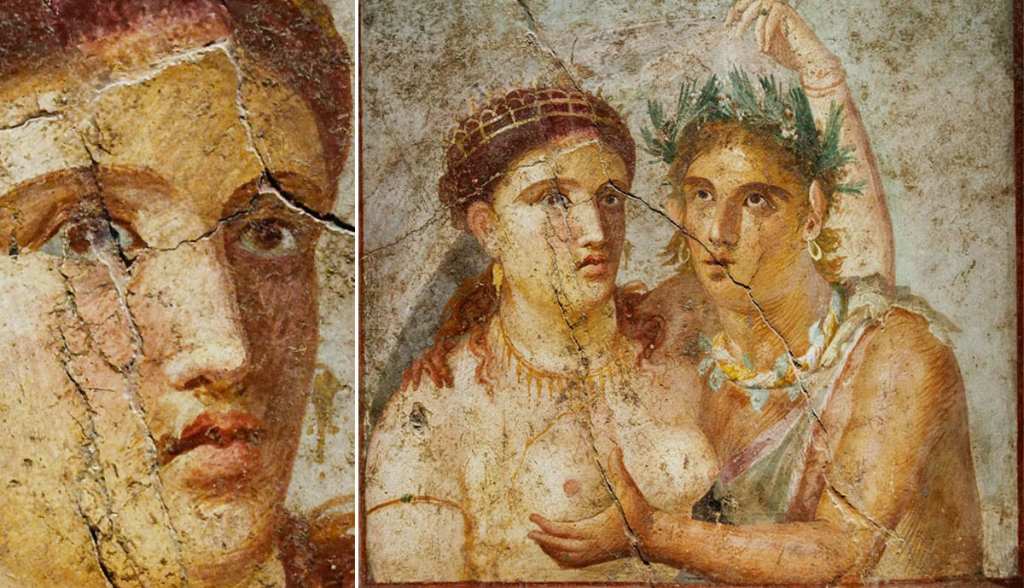
Prostitution is often referred to as ‘the oldest profession’. In ancient Egypt, Rome and Greece sex for money or sex without consent with slaves (or rape), was a social norm. Thankfully we have moved beyond slavery today, or have we?

Most people are aware that ‘sex slaves’ are imported into modern rich countries against their will. The organisers and pimps will attract young women with promises of a visa respectable job, a plane ticket, accommodation and a wage. Spurred on by a wish to get a better life for themselves, the victims eventually realise they have been trapped into slavery. A ‘debt’ has to be repaid for setting them up as a prostitute in another country. They are paid so little, if at all, that their prospects ever to move on are hopeless.

It should not be hard for a prime minister to focus his resources on finding such ‘sex slaves’ in his own country. A simple help line, a Facebook page and a team of volunteers giving support and passing intelligence to enforcement agencies is an obvious way forward. Slavery, rape, imprisonment, human trafficking and illegal immigration require no new laws.

The size of the problem should not be underestimated.

The Spanish police freed 896 women being exploited as sex workers in 2019 and estimate that over 80% of those working as prostitutes are victims of mafias. (source BBC News)

896 is a small proportion of the estimated 300,000 sex workers in Spain and the question should be asked of the police why only 896?

Whatever the mix, there are two types of prostitutes. Those who see themselves as legitimate ‘sex workers’ who demand and get respect and support from society and the state and those who are prostitutes against their will.

The second variety are really those who Mr Sanchez has legitimate concerns for but to fudge these concerns with ‘respect for women’ is to lose focus. The example I have given of sex trafficking and slavery, demonstrates that the Mafia is not interested showing respect to anybody. Strict enforcement of the law is absolutely necessary to protect sex workers and give modern slaves their freedom.

However, if a women chooses to become a sex worker and feels good in themselves for their free choice of occupation, who are we to judge? Some claim that this is economic co-ersion but by any measure is not a factory worker a victim of needing money to live?

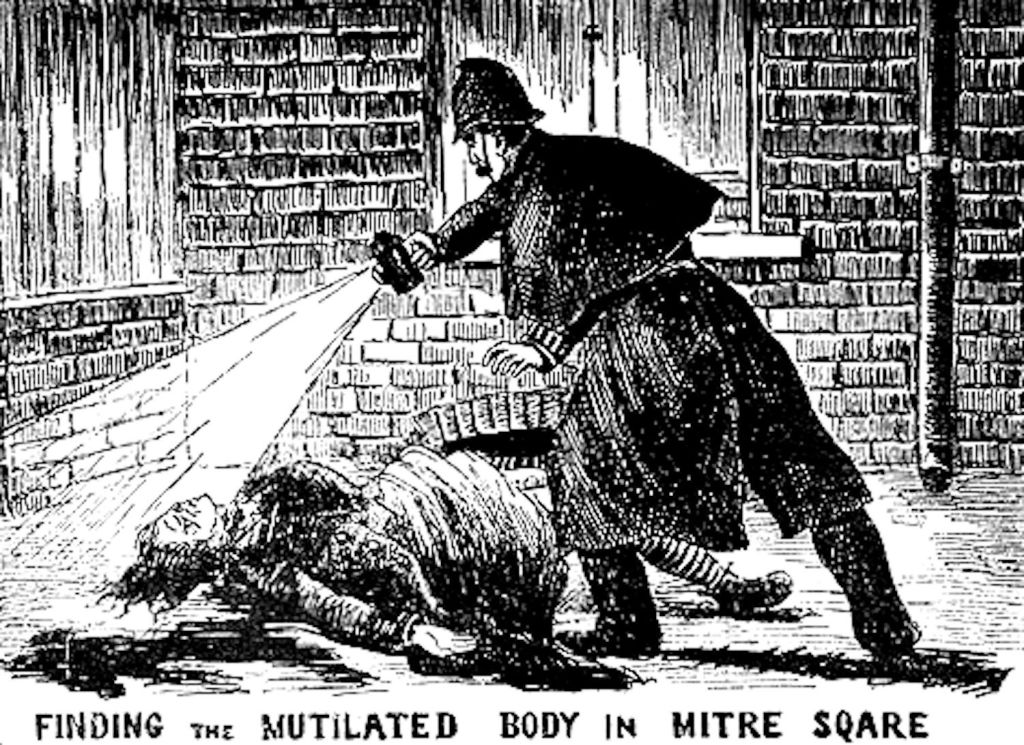
Judgment opens the gates to hypocrisy at the most extreme level. The Victorians in 19th century Britain were against all sorts of things based on religious dogma. This did not prevent them committing mass murder during colonisation and non-consensual sex. ‘Jack the Ripper’ was a sort of emblem of how hatred of women can emerge as acts of pure horror.

picture source New York Times

Clearly laws did not prevent Jack from committing his fowl acts. A new law in the 20th century in Spain is not going to change behavior and it’s causes either. The whole profession is going to be moved out of the benign influence of health workers, social workers, immigration officers, police… into an underworld where ‘respect’ is seen as weakness.

In my view Spain is already a flag ship for showing respect to men and women working in the sex industry. Is the ‘high moral ground’ of ‘respect for women’ a disguise for old fashioned prudery?

All humans need to express their sexuality, whether we like it or not. Marriage used to be the means of making such feelings ‘sacred’ and approved by God no less, but as communities have at least half of their population enjoying a single life, making sex illegal between consenting adults (even if one party is being paid) is opening the path to hell. History tells us that just as history tells us slavery is wrong.

Understanding the problem before reaching a solution, is a skill not taught in schools, churches or political science degrees. In my view, generalised slogans such as ‘respect women’ and ‘black lives matter’ create well intentioned feelings without knowing what is wrong and how to fix it.

Dynamic Resources

I want to point out a problem that defies a solution in present international law.

It is about ownership of ‘resources’ by nation states. We know that many disputes have started over this issue so in my view it needs absolute clarity.

The issue is like where we find water. It is either static like in a lake or dynamic, as in a river. Nations acquire rights over lakes and that is simple. But when the resource is moving there are many parties interested to the water, in addition to the owner of the lands over which it passes.

The concept of a nation ‘owning’ both it’s static and dynamic resources, can lead to a loss of those resources to neighbouring states and in some cases, the whole planet.

Picture Credit: British Antartic Survey

The Antarctic Treaty was drawn up and agreed by twelve nations on 1st December 1959. It aims to protect the freedom of scientific investigation by peaceful cooperation. In reality it does a lot more than that. Antarctica is unique in being protected as a shared and protected world resource and the planet is no doubt a better place because of this.

However, global warming is affecting Antarctica. Glacial shelves are breaking off as giant icebergs with increasing size and regularity. Fresh water previously frozen is and will, affect ocean currents which in turn change climates.

Such issues are normally ‘dealt with’ by the government of that country but in this case there is no such responsibility held by a nation state.

This illustrates how the legal concept of ‘it’s in my country so I own everything in it’ sometimes falls short. The rule of thumb works in most countries but clearly not always.

Picture credit: Alliance Photo

When we forensically consider the case of a country ‘owning’ a resource because it is within that country’s boundaries, neighbours and or the whole planet, can be affected. For instance, the rain forests of South America are, or were, regarded as the ‘lungs of the planet’. They absorbed CO2 gas, slowing one of the main causes of climate change. If we examine the attitude of Brazil to it’s rain forest, the Bolsinario government refuses to be advised by non-Brazilian interested parties. It claims the right to destroy the rain forest and all the resources it contains. The rights of the indigenous tribes are also not respected.

If I found a hoard of Roman gold coins in my garden I would have to inform the government of the country I live in, let us say the UK. They might regard the ‘trove’ as a national treasure an take away my right to it’s worth. Or they could give all or part of it’s value to me, depending on the higher national interest. In this case a ‘lesser owner’s’ rights are trumped by a ‘higher owner’s’ rights. This concept could be appropriately upscaled to national and international rights. The latter trumping the former where the international interests serve a higher purpose than short term economic gain. At present this would not work because legal rulings require the threat of sanctions or even physical force if ignored. There are only limited means to do this at present.

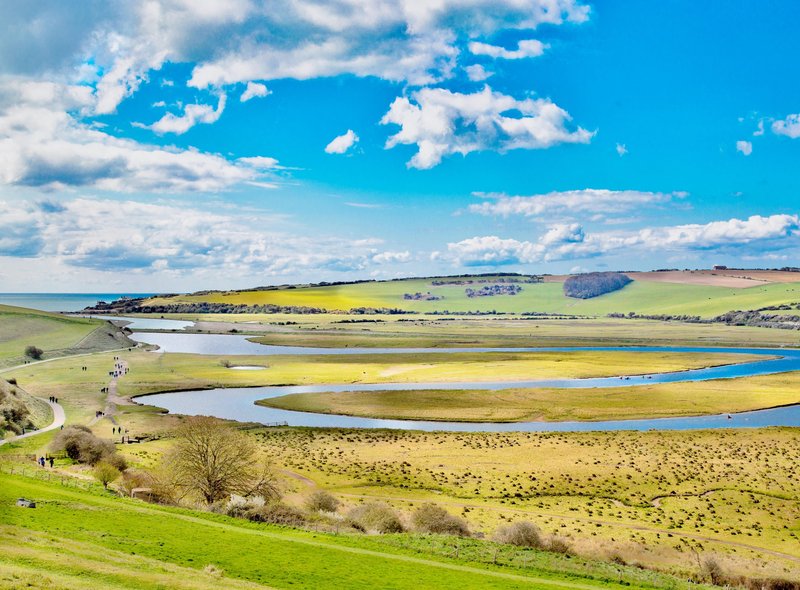
Yet there is another perspective achieved when we consider just the dynamic resources of the country; those most like to be problematic. Dynamic resources are not rooted to the soil like trees and minerals. A simple example is water again. A river may often pass through several countries before it discharges into a greater body of water. Who owns this water as it moves? When the river flows at a constant speed and volume, then the concept of owning the water as it crosses ‘your’ country works. When the rainfall drops or a country near the source of the river pollutes it or decides to build a dam, then they are problems. Such a dispute is occurring between Egypt and Ethiopia at the present time as Ethiopia builds a dam to create hydroelectricity from the Blue Nile.

A moving resource should clearly respect the rights of all countries. As it passes though several countries each should have a right to influence it’s management.

picture credit: Eastbourne Herald The River Cuckmere East Sussex England

Lawyers and Diplomats would clearly have a great deal to think about to formalise this concept But the world should not delay in my view. Every migrating bird, every ice berg, every bee and butterfly is a shared resource capable of influencing the well being of every human being.

The human race is presently facing an era of catastrophes caused by increasing populations desiring finite global resources and climate change. Denial of these facts was a phase in the 1970’s but not anymore.

When we consider how vital dynamic resources are, it is clear that many are jointly owned and enjoyed by all of humanity. In addition, human beings share a right for dynamic resources not to be destroyed or degraded. The concept of one country having a right to pollute water before it enters it’s neighbour’s land, should be trumped by an international law.

picture credit: NASA

Whales travelling through oceans have no concept of the countries they are passing. Why should one particular country, such as Japan, feel it has rights over whether these whales should live or die? If the consensus of the world is that the whales should not die, then an international body should have to power to order their protection.

Such a body could come under the wing of the United Nations. The chamber might find itself debating the right of the Brazilian government to destroy the Amazon rain forest for Brazil’s short term economic gain and the world’s long term loss. The debate would include the unique forna and flaura and the rights of future generations to have access to this DNA bank. The forest contains chemicals with medicinal properties, viruses that should never be released and countless creatures that once lost, will never be replaced. The neighbouring countries to Brazil, could demand their right to not have desert and refugees, wildlife and viruses crossing into their countries. The indigenous people would also be empowered to demand respect of their rights to the dynamic resources of the forest, in addition to their ancestral land rights.

If the resources that are dynamic are given the international status they deserve, there will be fewer international conflicts over ‘me and mine’ and more co-operation or ‘us and ours’.

Laws work when they embody truths the are Universal. If they are applicable in every corner of the Universe at all scales, they are more enduring and relevant than passing political values. The law would be called The Global Treaty of Dynamic Resources 2021.

Such a law and it’s enforcing body, will become even more important when humans begin to explore new planets and space. It might well be expanded to include static resources. The race to mine the moon that we see today, is about commercial rights to resources that are becoming scarce on earth, so called ‘rare earth elements’. Similarly, the filling up of the earth’s upper atmosphere and deep space with satellites, needs strategic guidance to avoid commercial exploitation and associated ‘space wars’.

If humans don’t get this right, then the next phase after the literal ‘carving up’ of our beloved planet, will be the ‘carving up’ of space and a repitition of the resource-driven disputes and wars in history. Even Helen of Troy was a dynamic resource and if a ruling had been made by a respected Greek god, the Trojan wars would never have happened!

One comment made by many of the men and women who have looked down on earth from space is that there are no national boundaries. We are so used to political maps that the real picture has, until now, been hidden by nationlism. Globalism, whether desired or not, will be the next paradigm for planet care, in my view. Without it, shared dynamic resouces will be seized or destroyed by the short term priorities and political ‘gain’ of politicians who rule without a trace of compassion for the people or the planet. You know who they are.

picture creadi: Pinterest

HS2 Where?

Twenty Reasons Why HS2 Might Not Be the Promised Public Transport Option of the Future

There is a project in England called HS2. It stands for High Speed 2 and is a plan to build a high speed rail route between London and Birmingham and then beyond. The stated justification for it by the government is to move the political centre of gravity away from London and nearer to the Northern and Midland cities; the so called ‘power house’.

These cities have conventionally voted for the socialist or Labour Party and HS2 was originally a Labour government idea in 2009. Why it has not been cancelled by the Tories in my view is that there may be some political gain for the Conservative and Unionist Party in making Westminster ‘closer’ to the North. In the last election these cities did largely swing to vote Conservative for, no doubt, many reasons.

One skill that I believe is essential for politicians is ‘problem solving’. There is a science to this subject and the first question to be asked in solving a problem is; what is the problem? As much as this may seem obvious, it is heart breaking to observe how much money is wasted on national projects that turn out not to solve the problem. I am reminded the airport in Spain that has never opened and you can probably think of some ‘vanity projects’ in your local area. ‘Vanity’ may be one reason those in power do not ask the right questions. Or perhaps it is the Dunning-Kruger Effect…

(The Dunning–Kruger effect is a hypothetical cognitive bias stating that people with low ability at a task overestimate their ability), : source Wikipedia

…that makes politicians believe they understand the problem perfectly and have the perfect solution.

An Idiots Guide to Digging a Hole for Yourself
:
credit Reseachgate net

Another common pitfall for ‘problem solvers’ is the temptation not to apply a new solution when the original one does not work. This is known colloquially as to ‘dig a hole for yourself’. Rather than abandon the first location to dig, the blinkered view and or fear of admitting a mistake and or wasting time, money and effort… compels decision makers to keep applying the original problem solving technique. Feedback is rarely sought, dissenters are ridiculed and rational insight is lost in the rush to jump into the deepest hole ever dug…

The HS2 project in my view is a perfect example of this and even the PM used this metaphor…

Boris Johnson has suggested the only answer to the “hole” enveloping HS2 is “to keep digging”. BBC News 31 January 2020

So far three billion pounds has been spent on demolition and railway infrastructure. To change now would mean wasting all of this money and admitting a mistake. To admit to such things is political suicide, and career politicians need to impress upon their voters that they know what they are doing. This is what we see at the moment.

Personally, I would vote for any politician who is prepared to describe the white elephant under construction as just that. Here is my ‘off the cuff’ list of reasons to abandon the project. I am sure the list could be even longer but it hardly seems necessary. It is not all negative. It contains the precise locations where treasure can be found, should the current hole ever be realised to be just full of air.

Here is my list of strategic reasons to abandon HS2;

1.The people who live in the Midlands and North of England desire most to have better rail links between the East Coast and the West Coast of England and connecting the cities in between.

2. The people who live in the Midlands complain that the existing rail service to London is at full capacity and needs upgrading. This could be achieved quickly and relatively cheaply with additional conventional infrastructure and rolling stock.

3. HS2 is planned to go initially North South, adding a link to London which is contrary to stated intention to move the ‘centre of gravity’ of the country. The word ‘London’ is the clue.

4. The country has borrowed a vast quantity of money during of the Covid -19 pandemic. To reduce this burden ( and presumably vulnerability to any future rise in interest rates) it is proposing to reduce aid to the poorest countries in the world. In doing so it risks losing the ‘world leader’ status it aspires to. One obvious alternative is to admit it can no longer afford to pay for HS2.

5. Since the pandemic, people have become used to communicating using the internet. Moving physically between locations has become less important.

6. Trains are old technology. They have been improved as much as they ever can be and now only new technology should replace it.

7. High speed trains are at their most economic on long distances such as found on the continent of Europe, North America or Australia. As any continental traveller will tell you, the UK major cities are relatively close to each other and journeys short in comparison with countries where high speed trains have been a success.

8. Fast, long distance trains are rivalled by aircraft. In Spain, for instance, internal flights are cheaper and quicker than the extensive high speed rail network.

9. Trains are rivalled by new technology such as the Hyperloop. They are likely to become superseded in the next few decades, just as railways took over from canals. Technology and economics are more sustainable drivers than political policies. New technology by-passes the decision making processes of government. In the era of present rapid ‘advances’ in technology governments must work with new technologies in the way that voters do.

10. A large proportion of ‘clean’ electricity is produced by fossil fuel power stations and nuclear power stations. The first is neither clean nor efficient. The nuclear option is becoming more and more expensive (as decommissioning costs are included) and prone to the dual risks of nuclear accident and the problem of the indefinite safe storage of nuclear waste on planet earth.

11. The costs of major infrastructure projects can be reasonably expected to double by the time they are completed. The original estimate for HS2 in 2005 of 37 billion pounds has already doubled to 78.4 billion pounds by 2015! (according to Institute for Government statistics). At this rate of increase it will have doubled again by 2025 and that is only the estimated cost. There are inevitably going to be delays and unforeseen extra costs. This during predicted future decades of Covid 19 austerity.

12. Europe is joined to one nation by the Channel Rail Tunnel. The United Kingdom is connected to twenty seven countries by the Channel Rail Tunnel – and beyond. The train from Berlin to Manchester appeals to a minority who will either meet virtually, go by air or just not choose to do business in the United Kingdom.

The List Extends into the Tactical Reasons to Abandon HS2

What have the Victorians ever done for us? picture credit Country Life

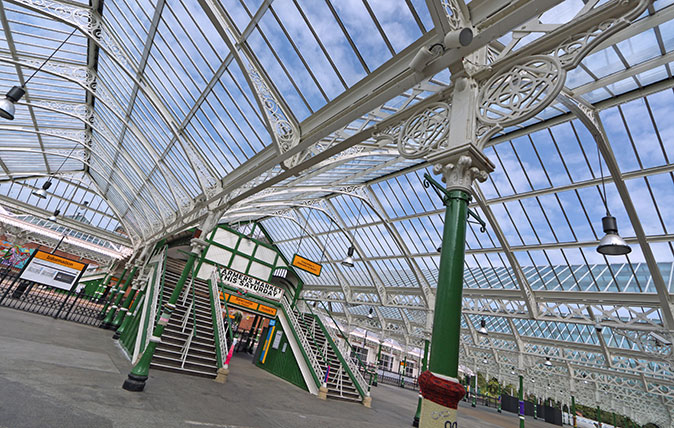
13. When the Victorians built railway stations, they were able to build their palace-like stations in the centre of towns and cities; just where travellers wanted to arrive! Due to high land values and ethical (archaeology, listed buildings, city centre decay, the housing shortage ) concerns around compulsory purchase, this is no longer practical. Most HS2 stations will be built outside the towns and cities they serve. The connecting transport will take away some or all of the time gained (1hour 21 minutes reduced by 29 minutes) by using a high speed train. An example I experienced many decades ago, was in Brisbane. When you arrive in Brisbane rail station you have to stand and wait for a bus or taxi to get you to the centre of Brisbane. I believe a local train has now reduced this problem but the insanity of these slow ‘connections’ remains.

14. Simple analysis of the problem will reveal there are many means to connect the regions of the UK other than high speed trains. The best and perhaps most cost effective of these, is to improve connectivity using the internet. This has the potential to allow passengers to work during their journey on conventional trains. This will make the speed of the train less important.

15. A new train route will cause considerable loss and damage to the countryside and communities through which it is intended to pass. The least of these is the one hundred ancient woodlands which will be destroyed. At a time when the country has been promised it will be more self sufficient in food, farms will be significantly negatively affected.

16. One hundred ancient woodlands, fauna and flora and in areas of outstanding natural beauty and special scientific interest will be permanently harmed or eradicated at a time when the environment is being prioritised, not least because of climate change.

17. Trains are a less safe means of travel than flying and in the future, the hyperloop. The later will be so safe that the prototype has already been trialled over a short distance by it’s designers and backers, personally. Hyperloop is frictionless so will require a fraction of the amount of energy required to propel an ordinary or high speed train.

18. To fit the broader brief of ‘increasing connectivity’ within England, new trains and routes should be started in the North. Phase One HS2, starts in London and therefore does not benefit those in the North unless they want to go to London.

19. The money spent by the Test and Trace and PPE procurement was approximately 57 billion pounds. This is in the same ball park as the current estimated cost of HS2! If HS2 costs reach 106 billion pounds, then this is the same as the cost of running the National Health Service for a year. Politicians have to be asked why not run the NHS for a year with this money?

20. The High Speed train network will not serve the satellite regions of the United Kingdom; known as Northern Ireland, Wales and Scotland. These areas already resent to control of an England-centric government based in the south of England. In my view this may become the straw that breaks the camel’s back and play into the hands of the Nationalist Parties of each country, the first to fall being Scotland followed by Northern Ireland, then Wales and then Yorkshire – Cornwall?!

I have not included any benefits from a High Speed train network in the United Kingdom.

Such as list should always be included in any rational ‘problem solving’ assessment. My problem is, I can’t see any benefits, except some good publicity photos of dolphin-nosed trains and grinning politicians in high visibility jackets.

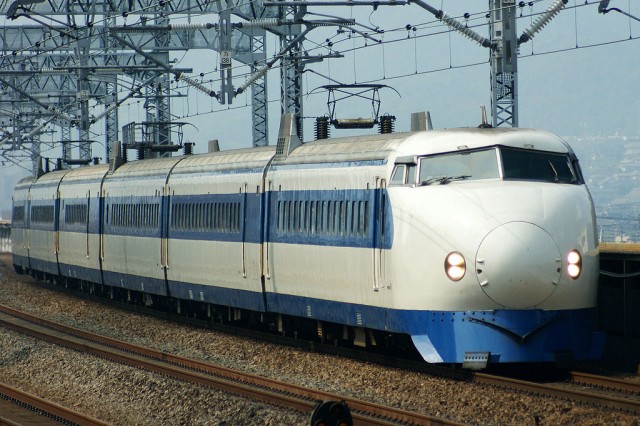
If there ever were benefits, these should have been gleaned after the second world war when the UK’s industrial cities had been demolished. Despite ‘winning’ the war in 1945 the UK was bankrupt. Japan ‘lost’ the war and in the 1970’s built some of the first high speed trains – the famous Skinhansen.

The Right Technology at the Right Time in the Right Place – Shinkansen

Perhaps some would argue that an electric train speeding along the tracks is much greener than the cars on the motorway running parallel. With the proviso that the National Grid is powered by carbon neutral fuel sources, this is true, but certainly by 2040 (as phase 2 is due for completion), cars and lorries are going to be mainly electric or hybrid. Any ‘green’ advantage to all trains is slowly disappearing.

And in the midst of a pandemic and in preparation for the next, is not personal transport going to be preferred to public transport?

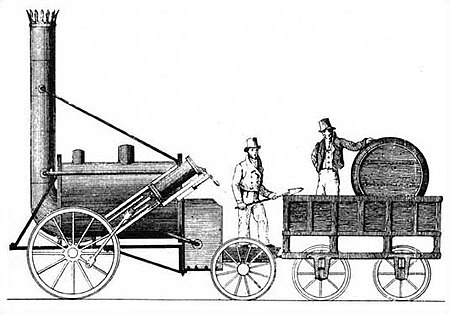
What would Robert Stevenson be thinking if he saw the final phase of his invention being acted out? What would he say about today’s ultra wealthy taking personal travel into the edges of space and is that why he called his invention Rocket?

1829 Rocket – Still the best public transport concept applicable two hundred years later?

Pandemos

Common to all the people

The thing with pandemics is that they are far from being ‘unprecedented’ as many politicians offer as an excuse for making mistakes. Historically there is a long list including the plague or ‘Black Death’ as it was known in England.

So aware are public health experts today that, certainly in the UK, pandemics are regarded as the number one risk. Governments have to be prepared for even the most unlikely eventualities and there will be a plan, somewhere. This will describe the risks – particularly the level of harm – and how to mitigate and eventually, eliminate, those risks.

A well thought out emergency plan will include the ‘hardware’ and ‘software’ needed. Warehouses across the country will store vast quantities of ‘just in case’ resources, from dried baby milk to personal protective equipment. Software will be posters and public information announcements already prepared for broadcasting to worried populations. It’s a whole area of expertise and those trained will be employed in all levels of government, from national to local. Protecting the population of a country is, after all, one of the primary functions of government.

Let us examine, pandemics caused by viruses. To mitigate and plan for a new viral infection there are six stages;

  1. Identify the origin of the virus and strictly control the contributory factors.
  2. Analyse the virus and it’s methods of transmission between hosts.
  3. Analyse the effects of the virus on the human body.
  4. Identify ways of preventing and treating the virus and it’s transmission.
  5. Share all of the hardware and software between countries of the World to do the above.
  6. Initiate prevention and treatment programmes throughout the global population.

At the time of writing there is a pandemic which is estimated as causing between 100,000,000 and 400,000,000 infections a year, according to the World Health Organisation. There has been a dramatic growth of cases in recent decades and at least half of the world’s population are at risk.

picture credit: thenativeantigencompany.com

The virus causes mild symptoms but in some cases can produce acute flu-like symptoms in humans. There are four serotypes meaning it is possible to be infected four times. According the BBC News App, ‘explosive outbreaks can overwhelm hospitals.’ In it’s most lethal form, fatality rates are 1% of the population when proper treatment and care is available.

Readers will probably have realised by now that I am describing dengue fever or DENV.

It’s a viral infection that you certainly do not want to experience. It’s commonly known as ‘break bone fever’ as it causes severe pain in muscles and bones. Like all viruses it poses a significant threat to the human population.

The good news for those living in high risk urban areas in the tropics, is that a new method of prevention has given very promising results in trial. The BBC News App reports that infections in the city where the trial took place were cut by 77%.

The method used ticks item 4. in my list above. Researchers used a ‘miraculous’ bacteria (Wolcachia) to infect host mosquito’s that spread the virus. The bacteria makes it much harder for the DENV to survive in it’s shared host so the mosquito is less likely to cause an infection. The trial set about introducing this bacteria into the local mosquito’s; fighting fire with fire.

What we can learn, in common with most viral outbreaks is that the origin of the virus and it’s method of transmission must be thoroughly investigated (1. above).

With this understanding, whenever new virus’s are discovered, pandemics can be prevented more quickly and as we know – speedy intervention is vital to reduce transmission. In an ideal world, governments will work together. Knowledge and resources should be immediately sent to the centre of any outbreak and paid for by global contributions rather than the host country, in my view. NGOs and strategic public health organisations, I believe, should be given overall control of treatment of the outbreak, with politicians merely signing off the allocation of national resources. Each country contributes according to it’s means, the rich and those without any outbreaks (pre-pandemic) pay more.

And if one pandemic is given disproportionately more publicity and resources than equally serious concurrent pandemics, what could possibly be the reason? Mind the mind gap!